•
•
•
•
•
•
•
•
•
•
•
•
•
•
•
•
•
•
•
•
•
•
•
•
•
•
•
•
•
•
•
•
•


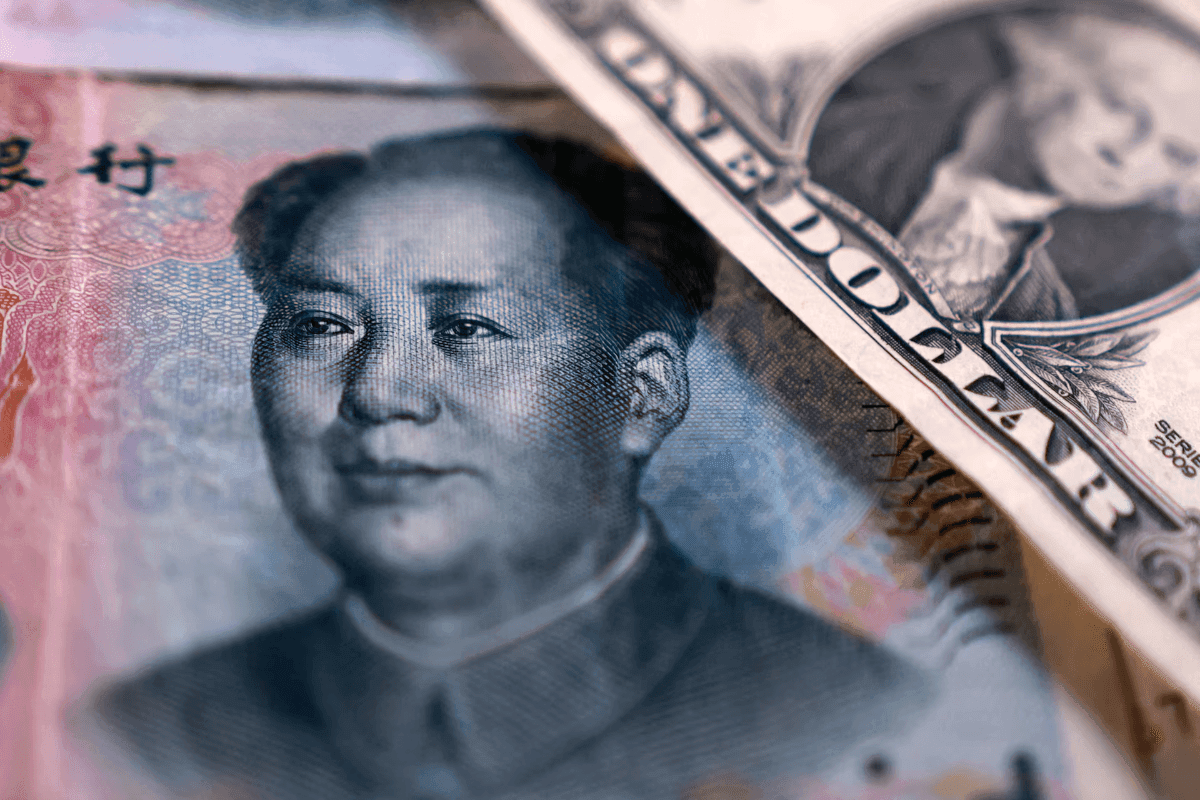
Renminbi exchange-rate moves remain a central focus in trade tensions between China and Western countries. On May 11, the People’s Bank of China (PBOC) set the yuan’s daily reference rate at 6.8467 per USD, the highest level for the yuan since March 2023. After the reference rate was published, the yuan traded at around 6.795 per USD, crossing the 6.8 threshold for the first time since February 2023.
Analysts said the PBOC set the reference rate weaker than market expectations, suggesting Beijing is allowing some appreciation while still intervening to limit speculative pressure ahead of an upcoming summit. Mitul Kotecha, head of FX and EM strategy at Barclays, said: “Ahead of important meetings, China tends to keep its currency relatively stable or appreciate modestly. They are limiting the pace of yuan gains, but are comfortable with the uptrend.”
The yuan’s exchange rate is a key issue in China-West trade tensions. Europe and the U.S. argue that China’s growing trade surplus is partly linked to the currency being held below fair value. Last year, the yuan depreciated 6.3% against the euro, contributing to exports to the EU reaching a record level and raising concerns about a potential second “China shock.”
In a recent report, Goldman Sachs said optimism about yuan appreciation against the USD was supported by hopes that the Trump-Xi meeting would go well, while also noting that underlying economic forces are driving the shift. The bank said the share of China’s external trade surplus in global GDP is approaching an unprecedented level, reflecting strong export competitiveness and an undervalued currency.
Goldman Sachs estimated that the yuan is undervalued by about 20% relative to its fair value and expects it to continue strengthening against the USD.
China’s multi-year deflationary period has raised concerns that the yuan remains undervalued. However, official data released on May 11 pointed to signs of a move away from deflationary pressures. China’s consumer price index (CPI) rose 1.2% in April, near the highest three-year level recorded in February and above analysts’ forecasts. The producer price index (PPI) rose 2.8%.
PPI, a price gauge at the factory gate, returned to growth in March this year, marking the first rise since 2022. The report attributed the improvement to pressures on global supply chains, including those linked to the US-Iran conflict.
Premium gym chains are entering a “golden era” that is ending or already in decline, as rising operating costs collide with shifting consumer preferences toward more flexible, community-based ways to exercise. Long-term memberships are shrinking, margins are pressured by higher rents and facility expenses, and competition from smaller, more personalized…