•
•
•
•
•
•
•
•
•
•
•
•
•
•
•
•
•
•
•
•
•
•
•
•
•
•
•
•
•
•
•
•
•


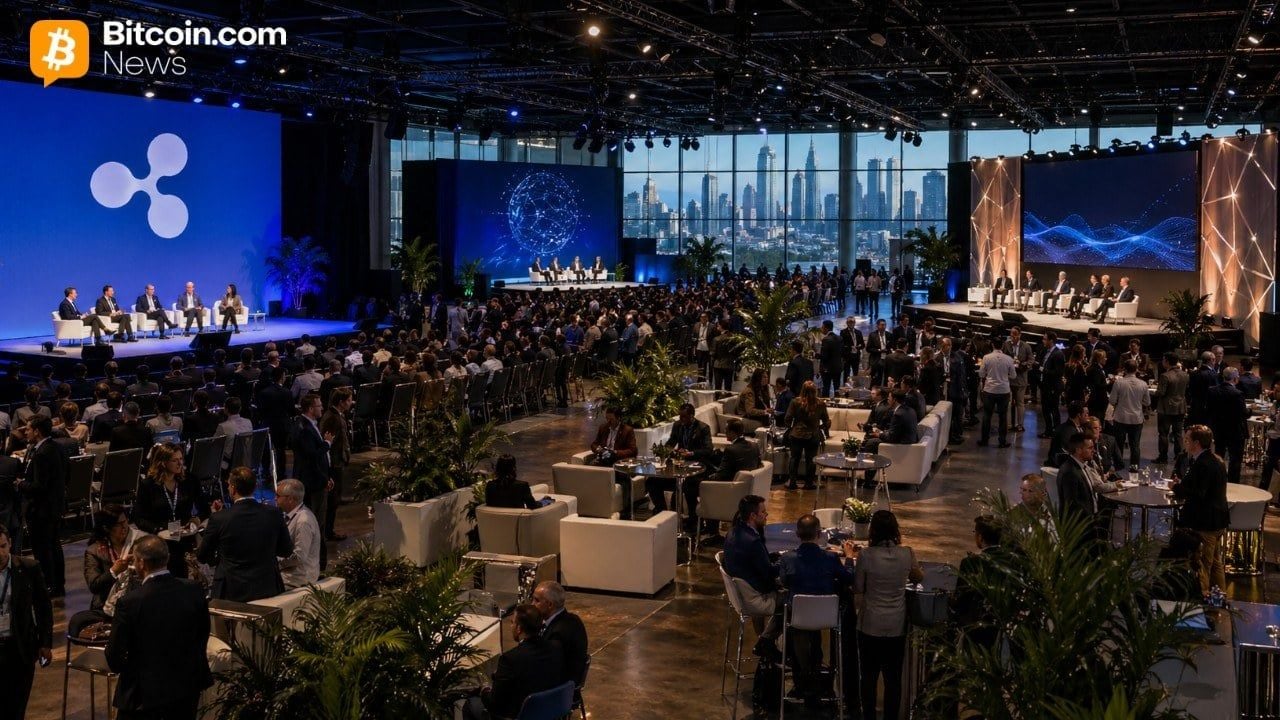
Ripple has opened registration for Swell 2026, its annual conference focused on the intersection of traditional finance and the on-chain economy. The event will take place Oct. 27–29 in New York City, and the company said it will be its biggest Swell yet, combining Swell and Apex into a single unified program.
Ripple announced on April 22 that registration is open for Swell 2026. The company described the gathering as its largest Swell event to date, bringing together builders, financial leaders, developers, and the XRP community under one roof.
Ripple said the 2026 program will merge Swell and Apex into one event. Swell 2026 is expected to include more than 1,500 attendees, more than 75 speakers, over 50 sessions, and three stages.
Ripple framed the event around “Three stages. Two worlds. One defining moment for the future of finance.” The scale is intended to broaden the meeting point for financial institutions, fintech founders, XRP Ledger builders, researchers, and market observers.
XRPL Apex, described as the official global developer summit for the XRP Ledger (XRPL) ecosystem, is part of the combined format. The developer-focused programming is expected to center on the network’s roadmap, smart contracts, and emerging tools.
Ripple said Swell 2026 will group institutional finance, developer activity, research, retail participation, and press coverage into a single conference framework.
With three stages and more than 50 sessions, Ripple said the event will run separate tracks while keeping these groups within a single New York venue.
In remarks tied to the broader U.S. policy environment, Ripple CEO Brad Garlinghouse said the push for U.S. crypto regulation is nearing a turning point, citing growing legislative momentum, and characterized the period as a moment to act.
Premium gym chains are entering a “golden era” that is ending or already in decline, as rising operating costs collide with shifting consumer preferences toward more flexible, community-based ways to exercise. Long-term memberships are shrinking, margins are pressured by higher rents and facility expenses, and competition from smaller, more personalized…