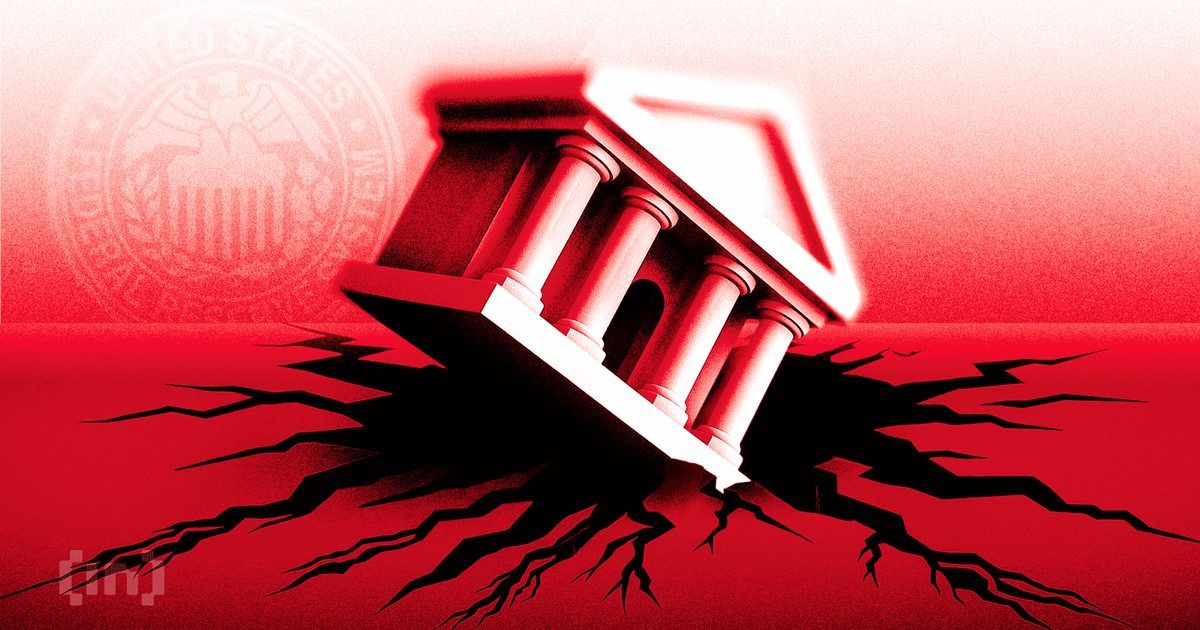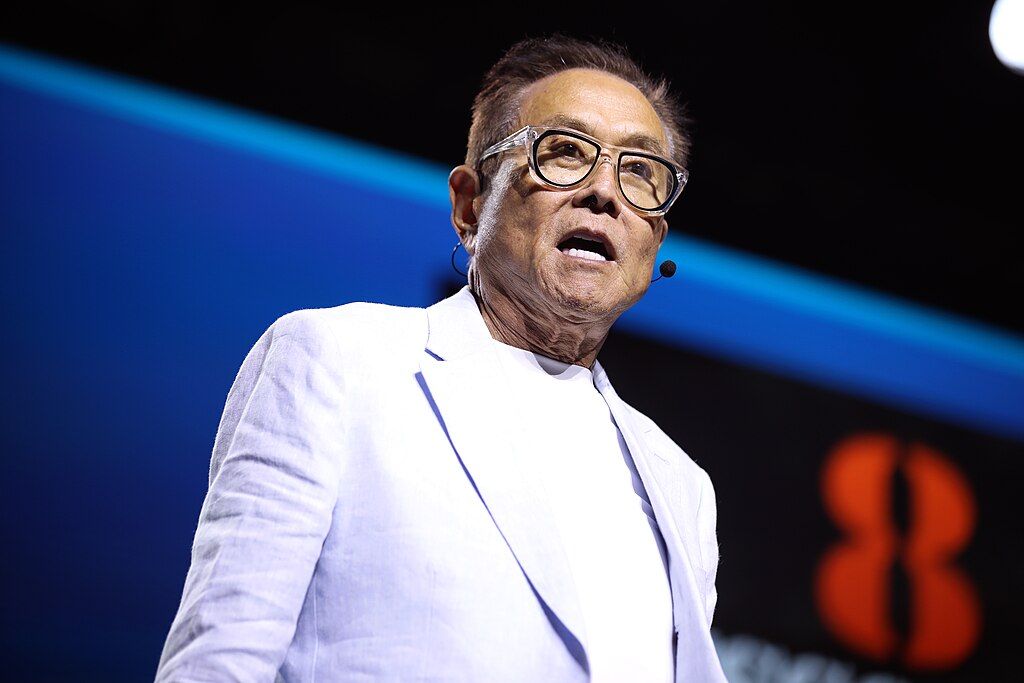
Robert Kiyosaki, author of Rich Dad Poor Dad, has warned that the global economy could face a major crash in 2026, citing rising US debt, inflation concerns, and weakening fiat currencies as signs of growing instability in the financial system.
Kiyosaki said his concerns reflect long-running warnings about financial bubbles and retirement-market risks, which he previously discussed in his 2002 book Rich Dad’s Prophecy. He argues that current conditions resemble the collapse of what he calls the “Everything Bubble,” pointing to the US national debt, estimated at nearly $39 trillion, as a key warning sign.
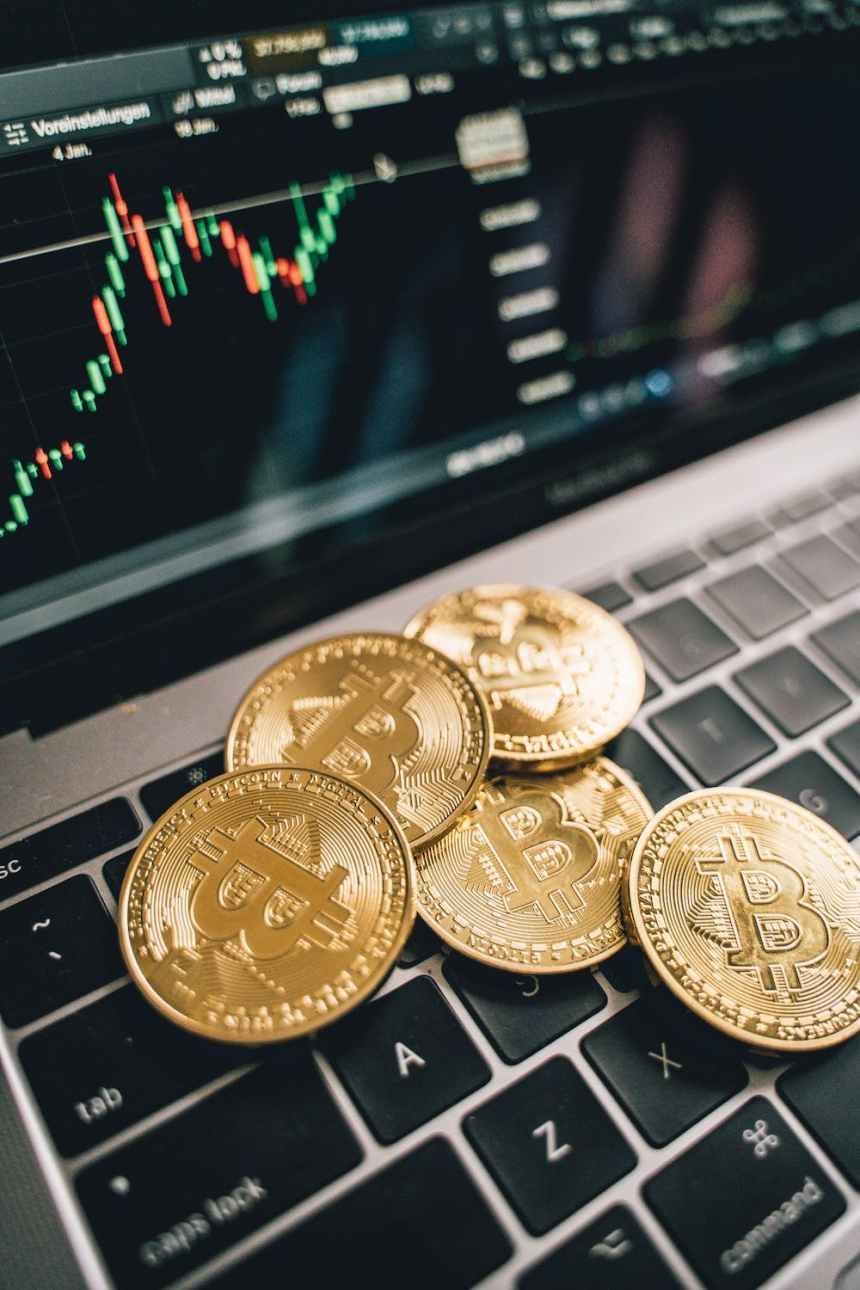
Rather than relying on cash investments, Kiyosaki said investors may be better positioned by holding real assets such as silver, gold, and Bitcoin. He described silver as offering protection because it is a tangible asset with both industrial and monetary value.
He also said he began investing in silver in the 1960s and continues to view it as one of the strongest opportunities ahead of 2026. Kiyosaki pointed to silver’s role in technologies including solar panels, electric vehicles, batteries, and artificial intelligence, which he said can support long-term demand.
Kiyosaki noted that the silver market has experienced supply shortages for several years, which he said adds support to bullish price expectations. He referenced spot silver trading recently near $85 per ounce after a strong rally over the last year.
He previously suggested silver could eventually reach $200 if economic conditions worsen.
Other market analysts cited in the article are also optimistic, pointing to declining inventories and growing industrial demand as potential drivers for higher prices over the next few months. While mainstream economists still expect moderate economic growth in 2026, Kiyosaki’s view remains that real assets such as silver may outperform during financial uncertainty.