•
•
•
•
•
•
•
•
•
•
•
•
•
•
•
•
•
•
•
•
•
•
•
•
•
•
•
•
•
•
•
•
•


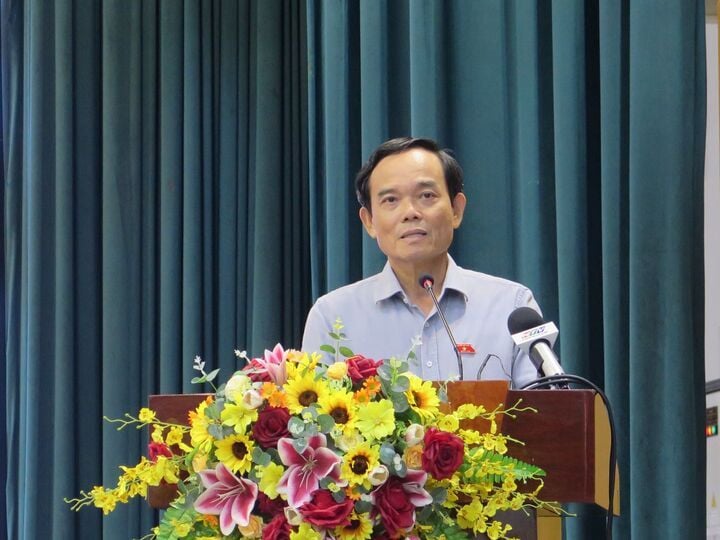
On May 11, Ho Chi Minh City Party Secretary Tran Luu Quang, together with the delegation No. 6 of the Ho Chi Minh City National Assembly, met with voters in Dien Hong ward and connected online with voters in several other wards after the first session. At the meeting, many voters voiced concerns about persistent traffic congestion in the city, especially on main routes during peak hours. Voter Nguyen Duc Thanh of Ward 12 said the city’s urban intra-city and inter-regional transport infrastructure currently affects socio-economic development; many roads are repeatedly congested, placing pressure on residents and freight operations. Secretary Quang stated that the city is accelerating investment in transport infrastructure and ensuring integrated connections with neighboring provinces—an essential requirement for the new development phase. If transport infrastructure is connected effectively, the city’s latent advantages can be leveraged. He noted that coordinated connections with regional localities are essential after Ho Chi Minh City expands its development space. By late June or early July, the city will launch several large projects with total capital of more than 10 billion USD, including the Thu Thiem–Long Thanh railway link. He said this will be a fundamental driver for accelerating socio-economic development in the coming period. In addition to transport infrastructure, the secretary told voters that the city’s policy is not to build additional high-rise housing in central areas or densely populated zones. Large central land plots will be converted into parks and public spaces for the community. Instead, the city will spread out the population to peripheral areas and strengthen the connected transport system. High-rise projects will be built farther away, tied to investments in connecting infrastructure. Voters also raised issues about on-street parking, urging more public parking lots to reduce illegal parking. Secretary Quang said this is a difficult problem not only for the city but for many large metropolises globally; before restricting or banning parking, there must be suitable alternatives. The city will progressively plan where parking is permitted and develop more parking facilities to keep pace with population and vehicle growth. Flooding is another major concern raised by voters. Quang acknowledged that flooding remains unacceptable for a major metropolis and said the nearly 10,000 billion VND flood-control project has been restarted and is being progressed toward completion in 2026. The city has also engaged Dutch experts to share experiences and seek consultancy for this issue. In the morning, the delegates also met voters from other wards and heard requests on social welfare, education, access to affordable housing, cybercrime, and the acceleration of key infrastructure projects, particularly school meal safety. It was urged to strengthen the legal framework governing the school-food supply chain and raise penalties for supplying contaminated food. Voters also noted rising prices and living costs, urging more effective price stabilization to keep wage growth in line with living costs. The article contains additional items about related infrastructure and investment opportunities.
Premium gym chains are entering a “golden era” that is ending or already in decline, as rising operating costs collide with shifting consumer preferences toward more flexible, community-based ways to exercise. Long-term memberships are shrinking, margins are pressured by higher rents and facility expenses, and competition from smaller, more personalized…