•
•
•
•
•
•
•
•
•
•
•
•
•
•
•
•
•
•
•
•
•
•
•
•
•
•
•
•
•
•
•
•
•


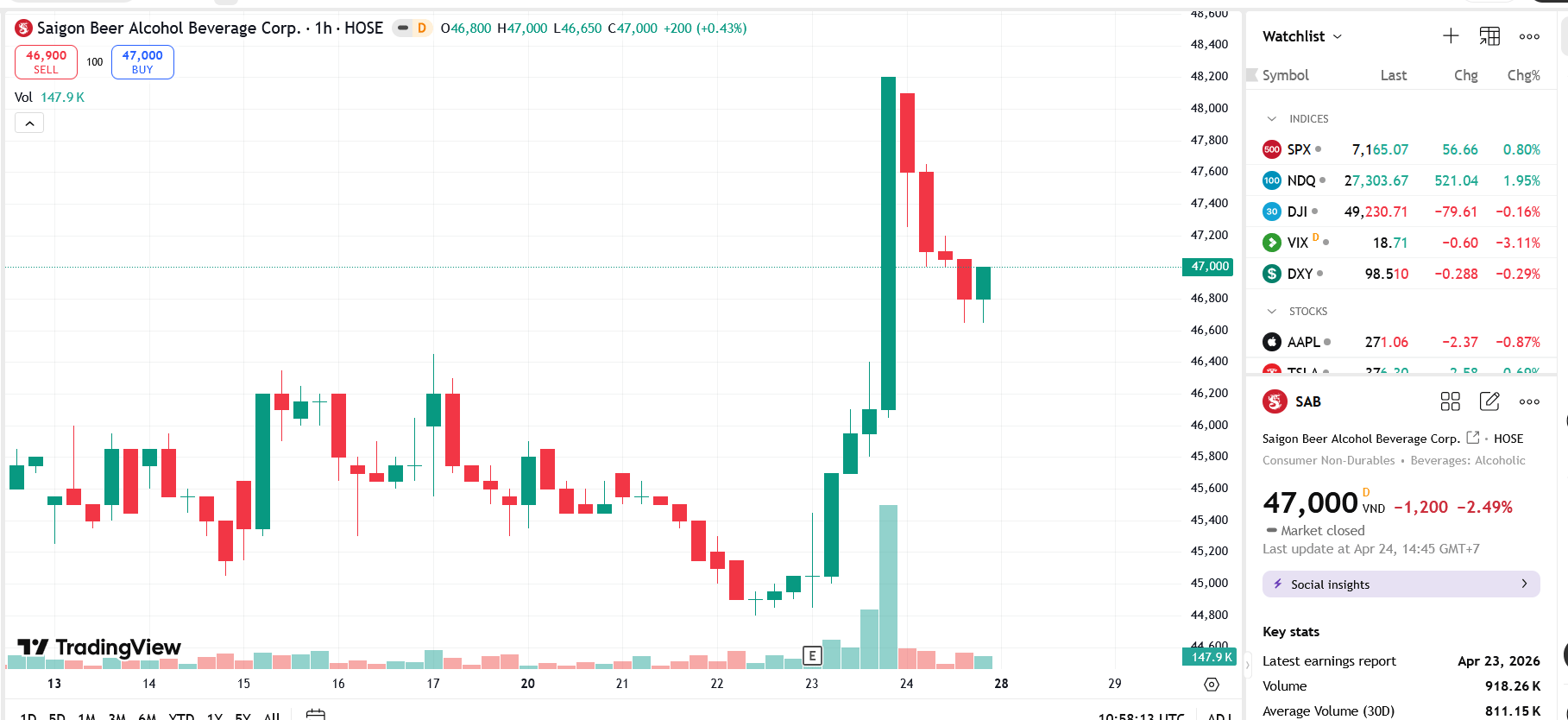
Saigon Beer-Alcohol-Beverage Joint Stock Company (Sabeco, SAB-HOSE) said it will close the shareholder list on July 29 to pay the remaining 2025 cash dividend at a rate of 30% (3,000 VND per share). With more than 1.28 billion outstanding shares, the company estimates total dividend payments at about 3.84 trillion VND, with the payment date expected on August 28.
The largest shareholder, Vietnam Beverage Co., Ltd., holds 53.59% of the capital and is expected to receive about 2.058 trillion VND. The State Capital Investment Corporation (SCIC), holding 36% of the capital, could receive about 1.382 trillion VND.
Sabeco reported Q1 2026 results including net revenue of 6.5 trillion VND, up 11% year-on-year, and net profit after tax after minority interests of 1.2 trillion VND, up 49% year-on-year. The figures were described as aligned with 25% and 27% of the full-year forecasts, according to VCSC’s expectations.
VCSC noted that beer segment revenue increased 11% year-on-year in Q1 2026, supported by strong demand during a late holiday period, an improved product mix, and the impact of price increases implemented since July 2025.
Beer gross margin expanded by 5.1 percentage points year-on-year, mainly due to favorable malt costs. VCSC attributed the improvement to lower hedging costs compared with the high-price hedging contracts in the prior period. It also said rising aluminum can prices did not meaningfully affect margins because Sabeco had hedged aluminum price risk earlier.
The ratio of Advertising & Promotion (A&P) expenses to beer revenue remained at 7.4%, flat versus the prior year, indicating that A&P spending increased in line with beer revenue. VCSC linked this to Sabeco’s ongoing cost-optimization efforts.
Sabeco’s net financial income rose 64% year-on-year, mainly due to a low base in Q1 2025 when the company recorded a loss of 85 billion VND from the temporary revaluation of a 21.8% stake in Sabibeco. That loss was reversed in Q3 2025 after procedures were completed.
Sabeco held its Annual General Meeting in Ho Chi Minh City on April 23, 2026. Shareholders approved the 2026 plan with net revenue of about 29 trillion VND, up 12% year-on-year, and net profit after tax of about 4.9 trillion VND, up 8% year-on-year. VCSC said these targets are in line with 98% and 106% of its full-year forecasts.
Despite strong Q1 growth, management said it remains cautious for the year ahead due to geopolitical tensions in the Middle East that could lift raw material costs and increase competitive pressures in the beer segment.
On input costs, Sabeco said malt hedging is in effect through 2026 and was recently extended to the end of Q1 2027, supporting margin stability. It also noted that aluminum prices on the LME remain high, with Sabeco hedging aluminum prices for about six months and working with can suppliers to reduce production costs.
Regarding A&P, management said it continues to focus on cost-effective spending. It pointed to moderation in 2025 and a return to higher A&P in 2026 to reinvest in the market and maintain competitive capacity, which it said helps explain why 2026 revenue growth is outpacing profit growth.
Sabeco said it conducts periodic consumer research and highlighted rising awareness of reduced beer consumption among younger consumers, especially Gen Z, as an input for product innovation.
The company said demand for low-alcohol beers is increasing, while demand for non-alcohol products remains limited. It is currently offering low-alcohol beers including 333 Pilsner, Lac Viet, and Saigon Chill. Sabeco is also launching a 250ml “baby can” to fit smaller consumption occasions. Following positive feedback and results from Saigon Chill’s 2025 smaller can, Sabeco plans to launch a 250ml version of 333 Pilsner in early May 2026.
Management said Sabeco is technically ready to produce non-alcohol beer but will roll it out only if market demand is sufficiently large. It also said it remains cautious about consumer reception for non-alcohol products in Vietnam given the young, dynamic customer base. The company is evaluating new products in the premium segment and said it will provide updates soon.
Management noted that Sabeco’s market share in Ho Chi Minh City has doubled over four years, maintaining leadership in the region and a strong position across the South and North.
On the Special Consumption Tax (SCT), Sabeco said the adjustments take effect from January 1, 2027, rising gradually to 70% and 90% in 2027–2031. The company said it has had ample time to prepare due to advance government notice.
Sabeco also said it intends to pass the tax increase through to consumer prices. While demand may dip in the short term after price increases, it expects promotional and trade activities to offset the impact and retain customers.
Management said it remains positive about the Vietnamese beer market, noting that Vietnam is Southeast Asia’s top beer market and that beer accounts for more than 90% of domestic alcoholic beverage consumption.
It expects two-digit growth over the next five years, led by first-tier cities (Hanoi and Ho Chi Minh City) before expanding to second-tier cities. Sabeco said it is present in all major modern retail formats, including supermarkets, hypermarkets, and convenience stores (such as Mega Market and SATRA).
For the FIFA World Cup 2026, Sabeco said it has allocated a budget for football-related activities in the summer of 2026, ranging from community outreach to World Cup promotional activities. It does not expect any unusual spike in total A&P costs.
Sabeco said it currently exports to 40 countries and plans to grow exports by increasing production in existing markets and penetrating new ones. The company described this as a second growth pillar to diversify risk beyond Vietnam. It also said it remains open to M&A if it delivers clear economic benefits and the company maintains ample cash on hand.
Sabeco reiterated that beer remains its core business. It said other products may be considered in the future only after the core beer business and the export pillar are firmly established.
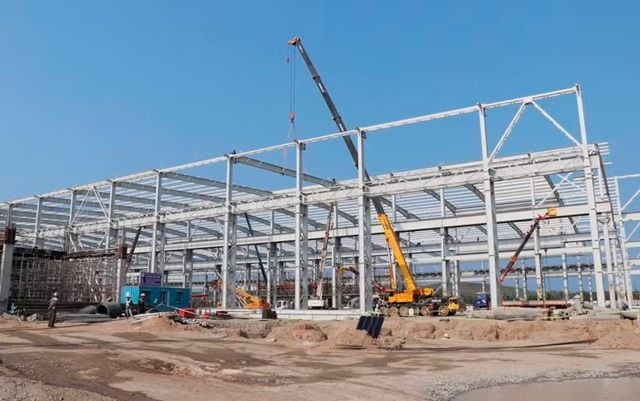





Premium gym chains are entering a “golden era” that is ending or already in decline, as rising operating costs collide with shifting consumer preferences toward more flexible, community-based ways to exercise. Long-term memberships are shrinking, margins are pressured by higher rents and facility expenses, and competition from smaller, more personalized…