•
•
•
•
•
•
•
•
•
•
•
•
•
•
•
•
•
•
•
•
•
•
•
•
•
•
•
•
•
•
•
•
•


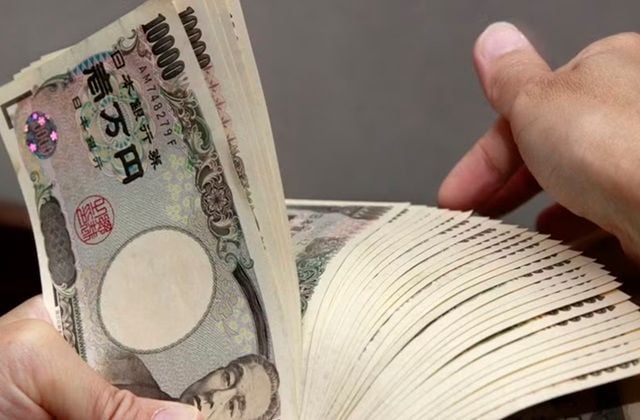
Bank of Japan kept its policy rate unchanged at 0.75%, citing risks to Japan’s economic outlook from tensions in the Middle East and higher oil prices. The decision followed a two-day meeting and matched Bloomberg’s survey of economists, with roughly 80% expecting no change.
The BoJ vote was 6 in favor and 3 against, the widest split since Governor Kazuo Ueda took office. In its quarterly outlook released the same day, the central bank adjusted its projections while highlighting the need to monitor developments related to the Middle East and oil prices.
In the quarterly outlook, the BoJ raised its core inflation forecast for the fiscal year ending March 31, 2027 to 2.8%, higher than previously expected. At the same time, it lowered its growth forecast to 0.5% from 1.0%.
After the announcement, the yen firmed slightly to around 159.22 per USD, though it remains near the level that had previously prompted government intervention.
Separately, data released the same day showed Japan’s unemployment rate for fiscal year 2025 at 2.6%. Employment was reported at a record 68.29 million.
Analysts said the Iran conflict has disrupted the expected path of rate hikes, with many now looking for the next policy move in June.

Premium gym chains are entering a “golden era” that is ending or already in decline, as rising operating costs collide with shifting consumer preferences toward more flexible, community-based ways to exercise. Long-term memberships are shrinking, margins are pressured by higher rents and facility expenses, and competition from smaller, more personalized…