•
•
•
•
•
•
•
•
•
•
•
•
•
•
•
•
•
•
•
•
•
•
•
•
•
•
•
•
•
•
•
•
•


To date, six banks have announced plans to establish subsidiaries at the Ho Chi Minh City International Financial Center (VIFC). The institutions said the move is intended to test new business models, expand operations into international markets, and diversify revenue sources—signaling a shift away from reliance on credit toward higher value-added financial services.
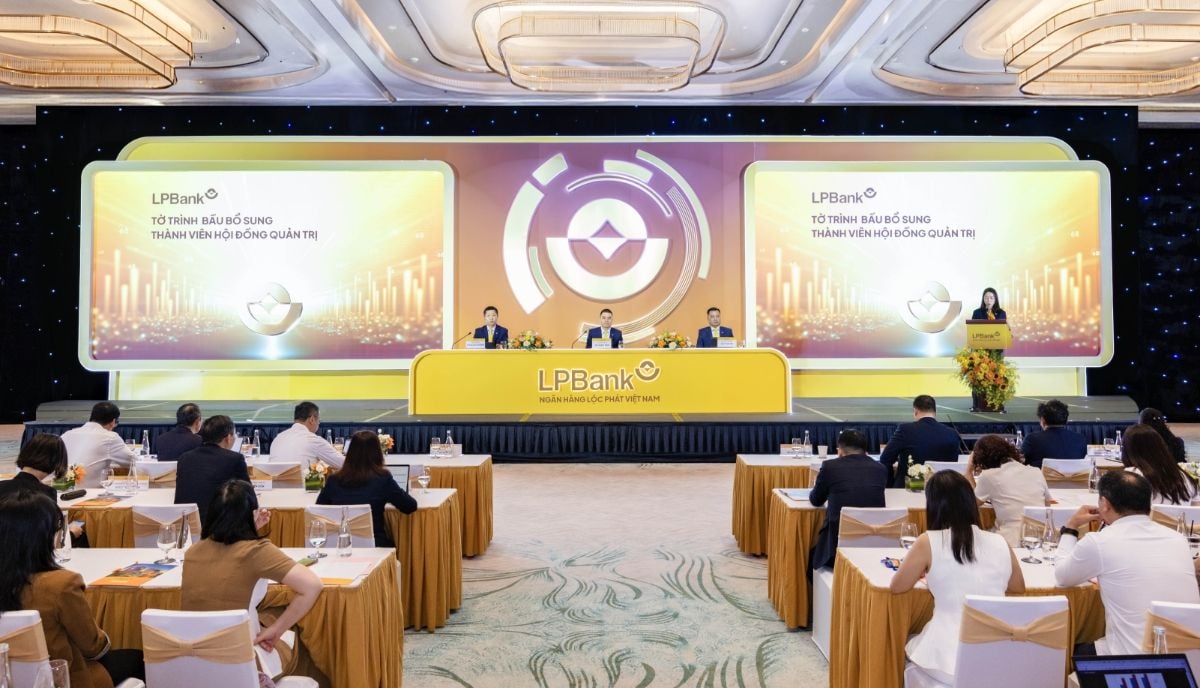
LPBank held its 2026 annual general meeting in Ninh Binh on April 28. The meeting was quorate with shareholders representing 66.32% of voting shares.
One key agenda item was shareholders’ approval of a plan to contribute capital to form a 100% owned single-member limited liability bank to operate at VIFC in Vietnam. Shareholders also authorized LPBank to contribute capital and establish other legal entities to participate in activities at the center.
LPBank’s decision follows similar announcements from other domestic banks. Vietcombank has proposed establishing a subsidiary with charter capital expected to be around VND 3,000 billion, focusing on cross-border financial services. SHB, HDBank, TPBank and Nam A Bank have also floated comparable plans at recent shareholder meetings.
The simultaneous push by credit institutions to VIFC reflects expansion into international financial activities amid constraints on credit growth and narrowing profit margins. However, the effectiveness of these plans depends on the center’s formation progress and the accompanying legal framework.
To date, LPBank, Vietcombank, SHB, HDBank, TPBank and Nam A Bank have approved plans to set up subsidiaries at VIFC. The stated objective is to expand operations abroad and seek non-credit sources of revenue, reflecting a broader shift toward higher value-added financial services.
At the meeting, LPBank also approved its 2026 business plan with relatively conservative growth targets. The bank targets total assets of VND 615,600 billion, up 1.6% from the previous year, and pre-tax profit of VND 14,982 billion, up about 5%.
Management said the plan is set against a business environment with many unpredictable factors, while the forecast for credit growth stands at 11.7%. In this context, LPBank said it will focus on asset quality and operating efficiency.
LPBank said the income structure will continue to shift away from reliance on credit. In 2025, non-interest income accounted for about 27% of total income, and is expected to improve further in the coming period.
The bank reported that the ratio of bad debts is currently around 1.6%. It said it will strengthen risk control, handle bad debts, and maintain a governance framework combining centralized control with delegation to operating units.
Management cited several factors that could affect 2026 results, including interest rate pressure, funding costs, and higher provisioning requirements. The bank also said it will continue allocating resources to technology investment and digital transformation.
For profit distribution, LPBank plans to pay a dividend of 30% for 2025. Management noted that, under higher capital safety requirements—particularly Basel III—maintaining this payout could increase pressure on future capital replenishment needs.
To address this, management said the bank will consider capital-raising options to ensure safety indicators while preserving room for growth.





Premium gym chains are entering a “golden era” that is ending or already in decline, as rising operating costs collide with shifting consumer preferences toward more flexible, community-based ways to exercise. Long-term memberships are shrinking, margins are pressured by higher rents and facility expenses, and competition from smaller, more personalized…