•
•
•
•
•
•
•
•
•
•
•
•
•
•
•
•
•
•
•
•
•
•
•
•
•
•
•
•
•
•
•
•
•


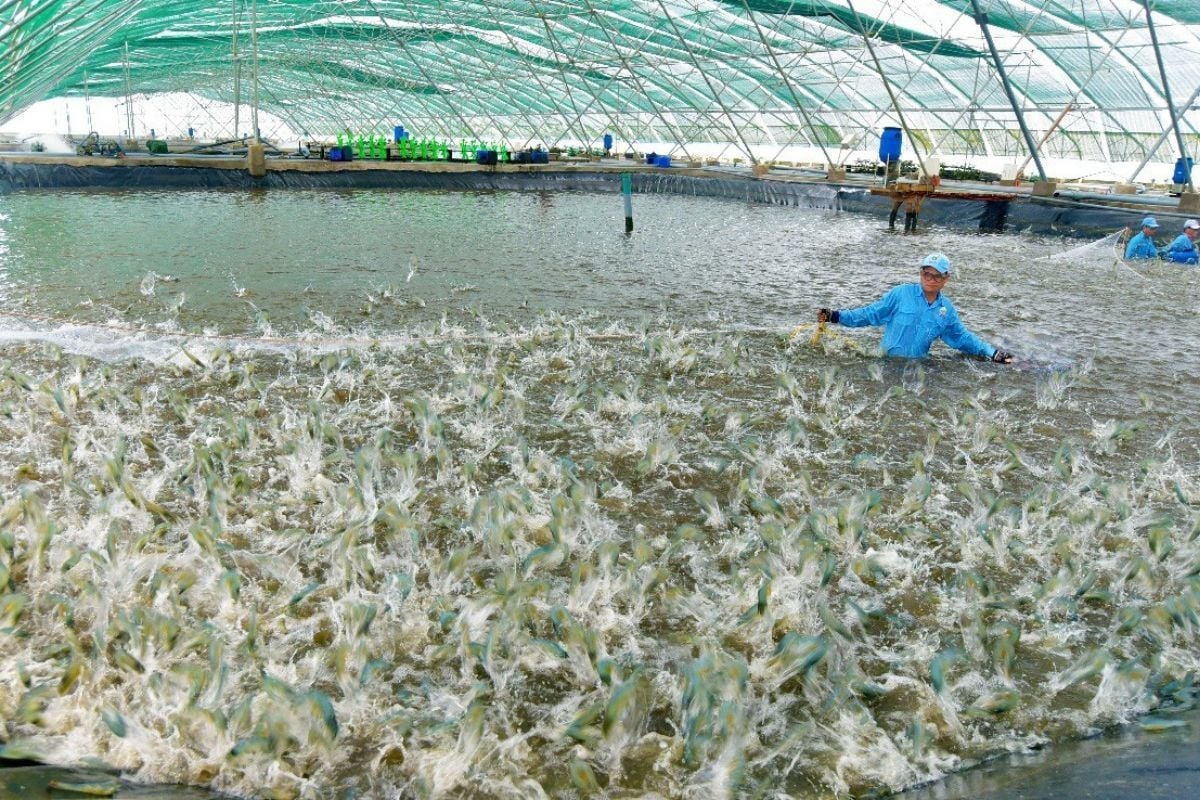
From late March to mid-April 2026, the shrimp market moved in opposite directions as feed costs rose while raw shrimp prices fell. This cost pressure increased for producers, affecting farmers and raising concerns about competitiveness and supply in the near term.
In 2025, Vietnam’s shrimp sector posted a record export turnover of $4.6 billion, up 19% from 2024. Shrimp products accounted for about 40–45% of total seafood exports, and were shipped to more than 100 countries, reinforcing the sector’s international position.
Despite these results, the industry still faces constraints in linkage and development, leaving efficiency below its potential.
According to the Vietnam Association of Seafood Processing and Exporters (VASEP), entering 2026 the shrimp sector faces difficulties as input costs rise while selling prices fall. Market data show that from late March to early April 2026, many aquatic feed producers adjusted prices by a few hundred to several thousand dong per kg, with some lines increasing even more. The main drivers cited are fluctuations in raw material prices, logistics costs, and exchange rates.
At the same time, domestic raw shrimp prices have fallen sharply since the Lunar New Year and more noticeably in the first half of April 2026. Compared with the peak in early January, prices have declined significantly, reflecting weak consumption as export markets recover unevenly while domestic supply remains high.
This pattern is also visible globally. The global average price of raw shrimp is around $3.31 per kg, down nearly 10% from the same period in 2025, driven mainly by weak demand while supply gradually recovers.
In India, prices fell across most sizes, especially the 40–60 count per kg group, down 9–13%, even before the main harvest begins. Weak export demand—particularly from Europe—along with inflation and geopolitical instability were cited as key reasons.
Thailand saw a sharp decline in shrimp prices, especially in small sizes, with declines of 10% to more than 16% year-on-year. Packaging costs rose sharply by 40–60% due to plastic material shortages, alongside higher transport costs, adding pressure on processing companies.
In China, shrimp prices have declined for several consecutive weeks across various sizes, leading many farmers to incur losses. The market is described as facing slow consumption and prolonged price declines.
VASEP said the combination of declining prices and rising input costs is narrowing profitability. The shrimp industry is entering a challenging phase that requires production adjustments, stronger supply-chain linkages, and efficiency improvements to manage market fluctuations.
Cost pressures are also affecting the competitiveness of Vietnamese shrimp internationally. With domestic production costs rising while rivals such as Ecuador or India maintain lower costs, the price competitiveness gap widens, increasing pressure on processing and exporting firms in a market that has not yet fully recovered.
Packaging, materials, logistics, and freight costs are rising, and ongoing geopolitical tensions continue to increase shipping risk, making export costs more volatile. While prices are set by market dynamics, input costs are trending upward, weighing on the entire production chain.
Against this backdrop, shrimp farmers are taking a more cautious approach. With profitability unclear, many households are reducing stocking density or delaying restocking cycles. In addition to higher costs and low purchase prices, producers face disease risks, environmental fluctuations, and increasingly difficult farming conditions in some areas, which increases production risk and influences restocking decisions.
If the trend persists, the supply of raw materials in the near term could be affected. The sector faces a risk of local shortages during the peak processing and export period at year-end, which could disrupt production, delivery schedules, and firms’ ability to meet orders.
To stabilize the shrimp industry amid broader chain-wide pressures, closer coordination among stakeholders is needed. Farmers require timely market information to adjust production plans. Input suppliers should share difficulties and help reduce cost increases during sensitive periods. Processors should strengthen links with farming areas to ensure stable supply, while regulators should monitor market developments to provide appropriate support.
Harmonizing the interests of the chain’s links is viewed as a key factor in helping the shrimp sector navigate current difficulties, maintain competitiveness, and secure raw material supply for the future.




Premium gym chains are entering a “golden era” that is ending or already in decline, as rising operating costs collide with shifting consumer preferences toward more flexible, community-based ways to exercise. Long-term memberships are shrinking, margins are pressured by higher rents and facility expenses, and competition from smaller, more personalized…