•
•
•
•
•
•
•
•
•
•
•
•
•
•
•
•
•
•
•
•
•
•
•
•
•
•
•
•
•
•
•
•
•


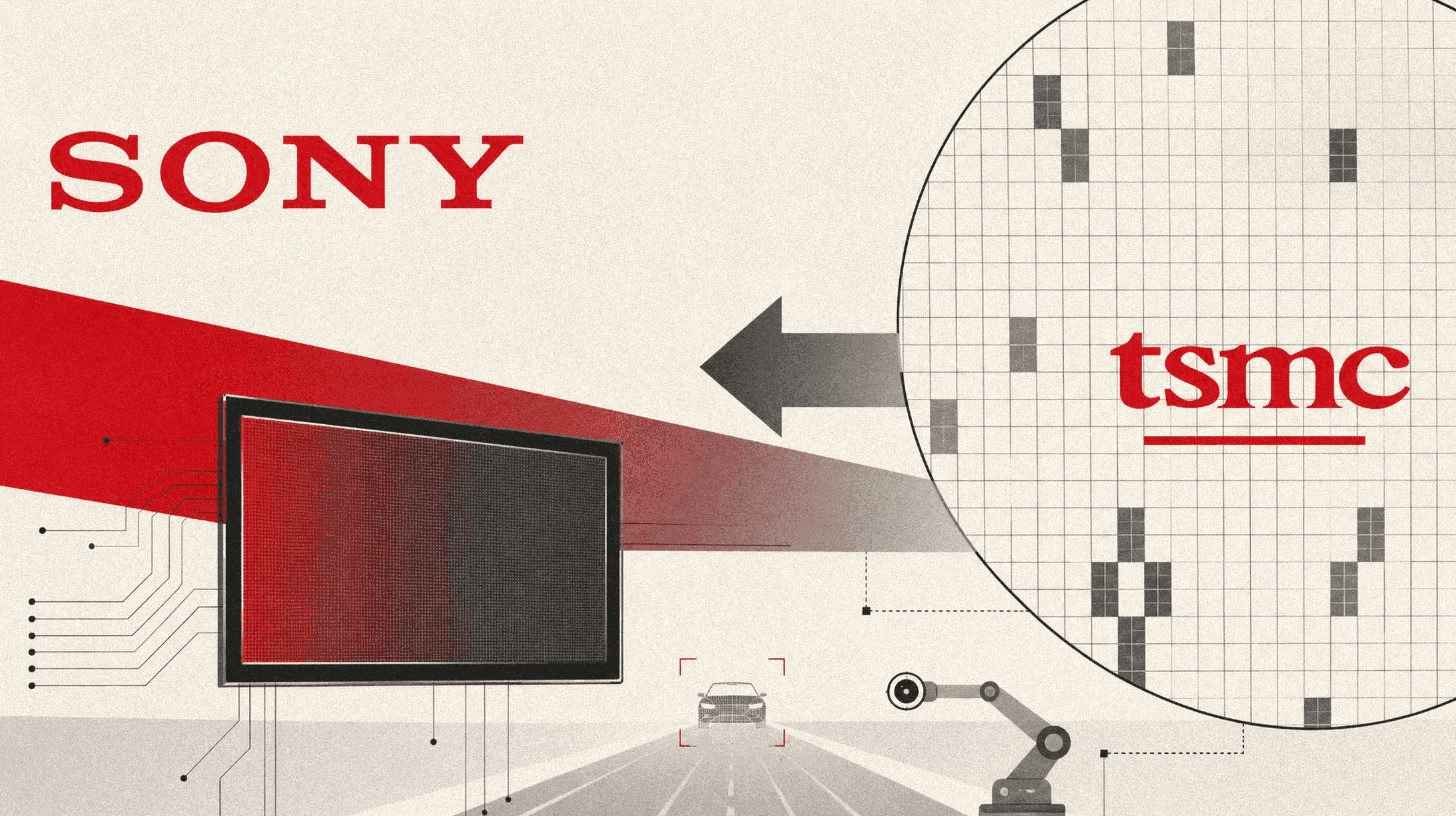
Sony Group is considering another strategic pivot as the industry moves toward “Physical AI,” and it is taking a concrete step by deepening collaboration with Taiwan Semiconductor Manufacturing Co (TSMC). In a statement on Friday, Sony said the two companies have signed a non-binding memorandum of understanding to explore establishing a new joint venture, with Sony holding a majority stake.
Under the proposed arrangement, Sony would build development and production lines at TSMC’s new Kumamoto, Japan plant. CEO Hiroki Totoki described the move as an initial step in a transition to a “fab-light” model.
Historically, Sony operated as an integrated device manufacturer (IDM), designing and manufacturing sensors in-house. Totoki said the economics of wafer fabs have changed the calculus: building them requires billions of dollars and increases exposure to market volatility, prompting Sony to rethink its approach.
By leveraging TSMC’s manufacturing capabilities, Sony aims to improve margins and reduce capital expenditure (Capex).
Sony’s timing is tied to the concept of Physical AI. While traditional AI is largely associated with data centers and computer displays, Physical AI is expected to power robots and autonomous vehicles—systems that need sharp sensors to perceive and interact with the real world.
Totoki said Sony’s supply of image sensors was previously constrained by internal capacity. The partnership with TSMC is intended to scale production, strengthen Sony’s leadership in image-sensor technology, and support fast-growing sectors including robotics and autonomous systems.
Kevin Zhang, Senior Vice President of TSMC, said the collaboration is an important step toward advancing future sensor technology in the AI era.
Despite pressure from rising memory-chip costs—expected to affect roughly ¥30 billion in the current fiscal year—and supply-chain disruptions in gaming, Sony said it remains optimistic about profits.
The company expects net income for the fiscal year ending March 2027 to rise 12.5% to ¥1.16 trillion (about $7.39 billion).
Sony’s confidence is not based on hardware alone. The company is intensifying the exploitation of intellectual property across games, cinema, and music, aiming to generate more stable and durable revenue than hardware sales.
In gaming, where developing a blockbuster title can cost up to ¥50 billion ($319 million) and take 5–6 years, Sony said AI is expected to act as a “savior” by lowering development barriers and stimulating creativity.
“If AI helps reduce development challenges, it could lead to new innovations and revive the entire industry,” Totoki said.
Last year, Sony also recorded an unusual loss of ¥125.2 billion after the Afeela electric-vehicle venture with Honda stalled. Sony characterized the outcome as a test rather than a failure, framing the effort as a way to turn a car cabin into a mobile entertainment space.
“The key is how we leverage the knowledge, talent, and IP accumulated from it,” Totoki said, adding that Sony is not selling cars but a platform experience.
Moving toward a fab-light model and partnering with TSMC signals a more flexible and practical strategy for Sony. After reinventing itself from a once-dominant electronics company into a major entertainment conglomerate, Sony is now positioning itself as infrastructure for the Physical AI era—where sensor supply and AI capability are expected to determine competitive advantage.
Premium gym chains are entering a “golden era” that is ending or already in decline, as rising operating costs collide with shifting consumer preferences toward more flexible, community-based ways to exercise. Long-term memberships are shrinking, margins are pressured by higher rents and facility expenses, and competition from smaller, more personalized…