•
•
•
•
•
•
•
•
•
•
•
•
•
•
•
•
•
•
•
•
•
•
•
•
•
•
•
•
•
•
•
•
•


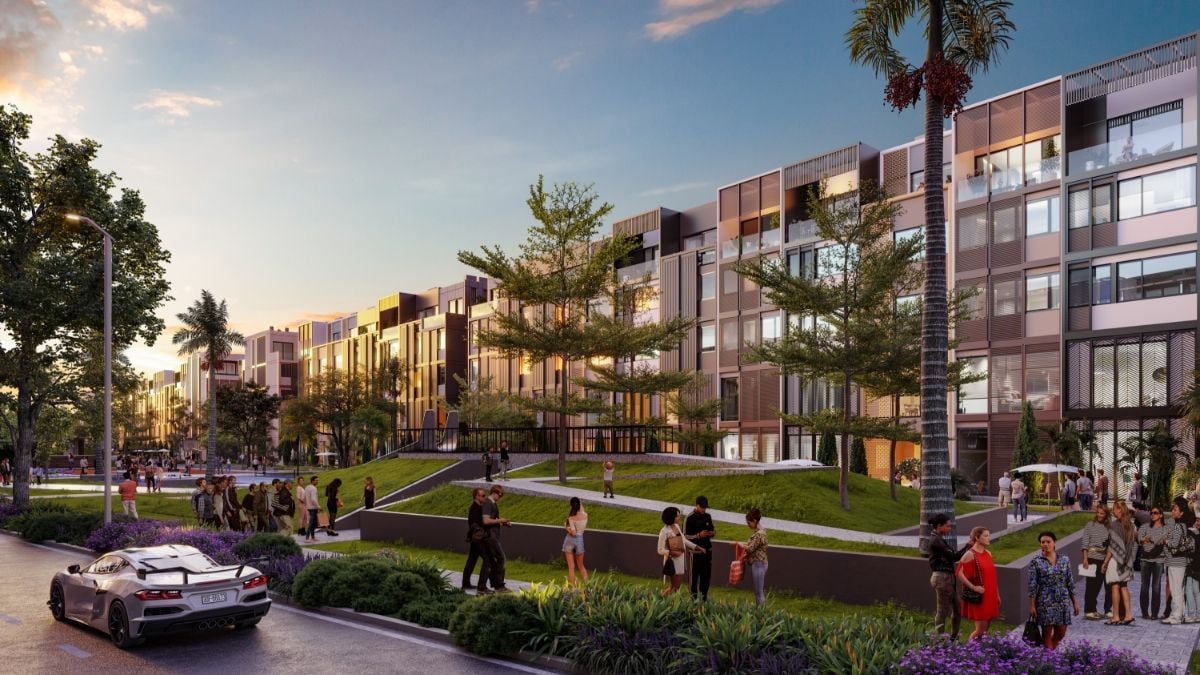
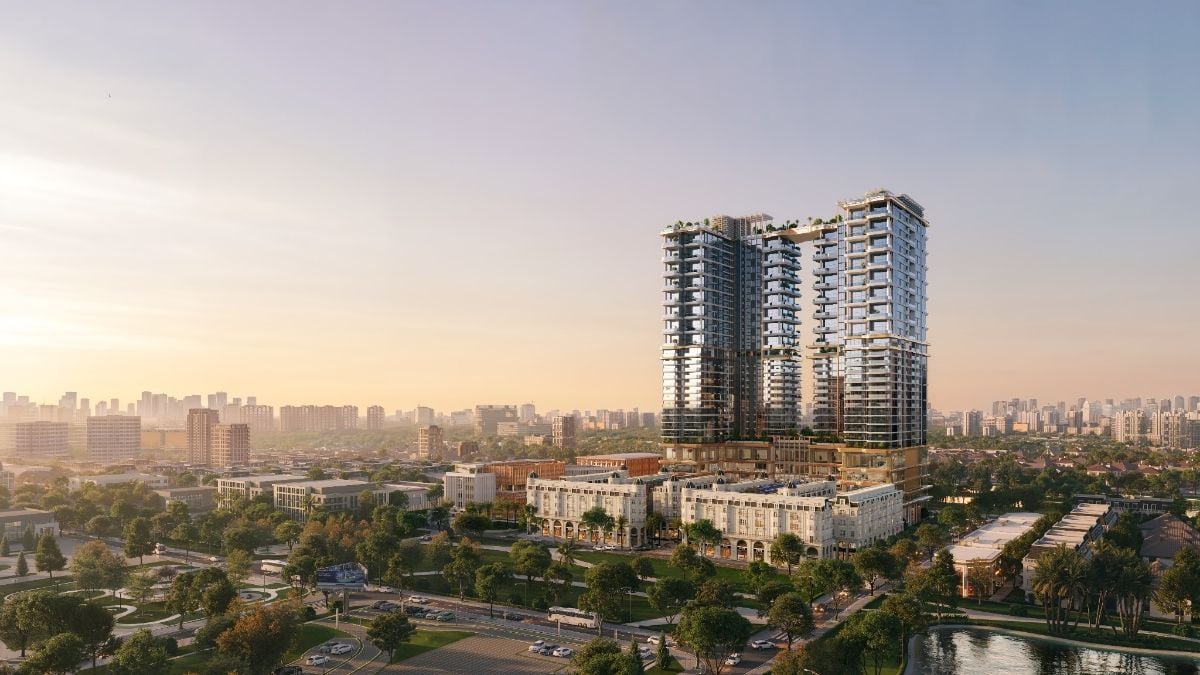
The JLL Global Consumer Experience Survey 2025 reveals a clear trend in how people choose living environments and modern urban destinations: 73% of respondents prefer “multi-purpose destinations,” spaces that integrate multiple experiential functions, while 72% expect urban projects to contribute positively to the local community. This reflects a shift from real estate thinking focused solely on utility to living environments that prioritize social connection and community value. Similarly, Urban Land Institute (ULI) research shows that projects integrating public art spaces record roughly 40% higher resident interaction, thanks to their ability to create natural meeting points and stimulate social experiences in urban spaces. This is the common thread in internationally standardized urban districts: it’s not only about scale or investment, but a sustainability philosophy that places people at the center of every experience. Pedestrian-friendly planning, deep architectural design, iconic landscapes, and embedding art into daily life elevate community interaction. The Global City: A center-stage symbol and globally connected living in Ho Chi Minh City Continuing the trend of iconic global projects, The Global City is an internationally standardized urban district planned for central Ho Chi Minh City. Landscape design by WATG, a firm with more than seven decades of experience creating luxury resort environments in 160 countries, creates a multi-tiered ecosystem: from the longest musical water canal in Southeast Asia to green belts and expansive lawns. All of this forms a living space that is a destination where nature, art, and urban vitality converge to global standards. On a 117.4-hectare site, Masterise Homes has crafted a living experience of “dialogue with nature” featuring 450,000 m2 of greenery and water bodies, all designed under the philosophy of “urbanism for people,” enabling residents to access education, healthcare, and high-end entertainment within 5–15 minutes, reducing dependence on private vehicles and genuinely improving quality of life. From this global utility platform, The Global City quickly became the city’s cultural-artistic-sports hub. In 2025, the development hosted millions of visitors at large-scale events such as concert performances and festivals, affirming its status as a symbolic destination in Ho Chi Minh City. In terms of architectural identity, Masteri Park Place serves as an energy convergence point at sunrise, while Masteri Cosmo Central embodies the resonance of a globally dynamic community. Lumière Midtown emphasizes an elegant living standard in the heart of a bustling area, blending modern New York architecture with natural elements. Meanwhile, the Sola peninsula, a unique villa compound on The Global City, sits on three waterfront fronts, offering absolute privacy and direct connection to nature—a distinct lifestyle standard for the elite. The Integrated Urban Development with Existing Infrastructure Advantage Beyond internal amenities and synchronized planning, The Global City’s strength lies in its central location and existing infrastructure. The direct Liên Phường link road into the project, along with the ongoing development of the An Phú interchanges, create a powerful synergistic push for the area’s real estate. Additionally, the presence of the National Sports Complex at Rạch Chiếc is a crucial future variable. When large-scale international sports and entertainment events are hosted, The Global City will play the role of the only international urban area adjacent to the national sports complex. This not only enhances investment value for owners but also reinforces the project’s status as a new cultural destination for the city. In the context of Ho Chi Minh City’s aspiration to become a global city, The Global City is not merely a large-scale urban area but a symbol of the convergence between architectural aesthetics and modern living, where long-term living values are nurtured and transmitted.
Premium gym chains are entering a “golden era” that is ending or already in decline, as rising operating costs collide with shifting consumer preferences toward more flexible, community-based ways to exercise. Long-term memberships are shrinking, margins are pressured by higher rents and facility expenses, and competition from smaller, more personalized…