•
•
•
•
•
•
•
•
•
•
•
•
•
•
•
•
•
•
•
•
•
•
•
•
•
•
•
•
•
•
•
•
•


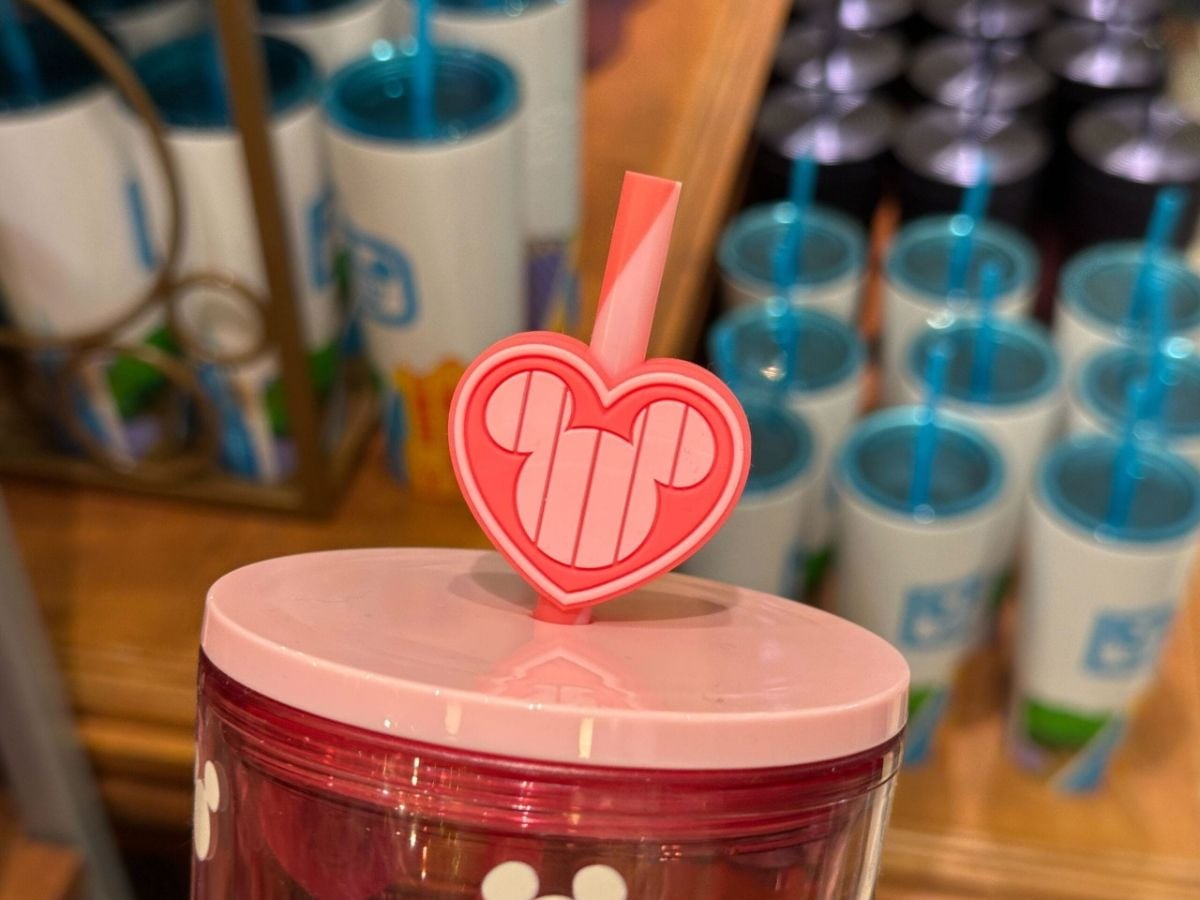
Food and beverage (F&B) businesses are increasingly extending their brands beyond the dining table, offering customers branded merchandise such as thermoses, tote bags, mugs, shirts, socks, key chains, and collectible items. As consumer preferences shift, merchandise is becoming part of many restaurant chains’ long-term development strategies.
Merchandise is viewed not only as promotion but as a recognized revenue stream. By placing branded items into customers’ daily routines—from commuting to leisure—F&B brands can maintain recall over time.
Compared with food products, merchandise is also assessed to have lower production and operating costs, with less dependence on ingredients and preservation. For many brands, this supports diversification, particularly during downturns.
Demand signals reinforce the strategy. A survey by the Global Retail Alliance found that 30% of consumers say they are willing to repurchase unique branded souvenirs from “brand winners.”
In competitive markets, branded merchandise can help differentiate brands while strengthening customer loyalty. The strategy is often designed to add perceived value without requiring restaurants to raise menu prices.
Old Town White Coffee, for example, uses a loyalty-style campaign that offers a special logo mug with orders over a certain amount, leveraging customers’ collecting impulse to create a repeat-purchase loop.
Deloitte senior partner Mr. Evert Gruyaert described the approach as “promotions that preserve margins,” noting that restaurants can keep meals priced at listed levels while customers feel they are receiving a better deal due to the accompanying item.
Chad Moutray, chief economist at the National Restaurant Association (NRA), added that costs rise but businesses often hesitate to pass those costs through menu price increases. In that context, revenue from retail expansion becomes an attractive cash flow, enabling chains to diversify without upsetting guests.
Experts predict that the most eye-catching items in restaurant spaces in 2026 will be insulated cups, keychains, tote bags, and collectible toys rather than ingredients or menus. The report describes a growing normal in cities such as San Antonio and New York, where consumers queue at dawn to obtain limited-edition cups.
Starbucks’ 2026 launch illustrates how seasonal retail can be packaged as emotional and community-driven consumption. In the first week of 2026, the company launched three collections simultaneously.
Prices for the items range from $14.95 to $29.95.
In Vietnam, competition has intensified following market cleansing in 2025. The article states that about 50,000 outlets nationwide disappeared in the first half of the year, reflecting intense rivalry. Since then, the F&B market has increasingly focused on enhancing customer experience rather than only selling products.
Merchandise and seasonal branding are part of this shift. Many brands have begun merchandise businesses featuring items such as athletic socks, polo shirts, hoodies, raincoats, and umbrellas in minimalist styles aimed at younger and office-going customers. Beverage chains also regularly launch seasonal cup designs and invest in seasonal store redesigns to attract younger consumers.
Brands are also differentiating through distinctive dining experiences, including photo-check-in campaigns and performance-based entertainment.
The article also highlights the rise of cafe models that combine beverage sales with seating and time for customers. According to a report by Mibrand Vietnam, 40% of customers choose cafes for work, prompting many cafes to open specifically for this segment.
On January 11, 2026, the Ho Chi Minh City Culinary Association (FBA) held an extraordinary congress for the 2026–2031 term, aiming to refine the organization, consolidate the legal framework, and set long-term development directions for the F&B community.
Mr. Nguyen Tan Viet, President of FBA, said the association has distilled and unified “four strategic pillars” for 2026–2031. Alongside developing a high-quality workforce, the plan includes standardizing professional ecosystems for roles such as chefs, bartenders, and operation managers, with the goal that every practitioner becomes a “Vietnamese culinary ambassador.”
Digital transformation and green transition are identified as cross-cutting pillars, intended to help F&B businesses access ESG governance standards across the value chain, from the kitchen to the consumer.

Premium gym chains are entering a “golden era” that is ending or already in decline, as rising operating costs collide with shifting consumer preferences toward more flexible, community-based ways to exercise. Long-term memberships are shrinking, margins are pressured by higher rents and facility expenses, and competition from smaller, more personalized…