•
•
•
•
•
•
•
•
•
•
•
•
•
•
•
•
•
•
•
•
•
•
•
•
•
•
•
•
•
•
•
•
•


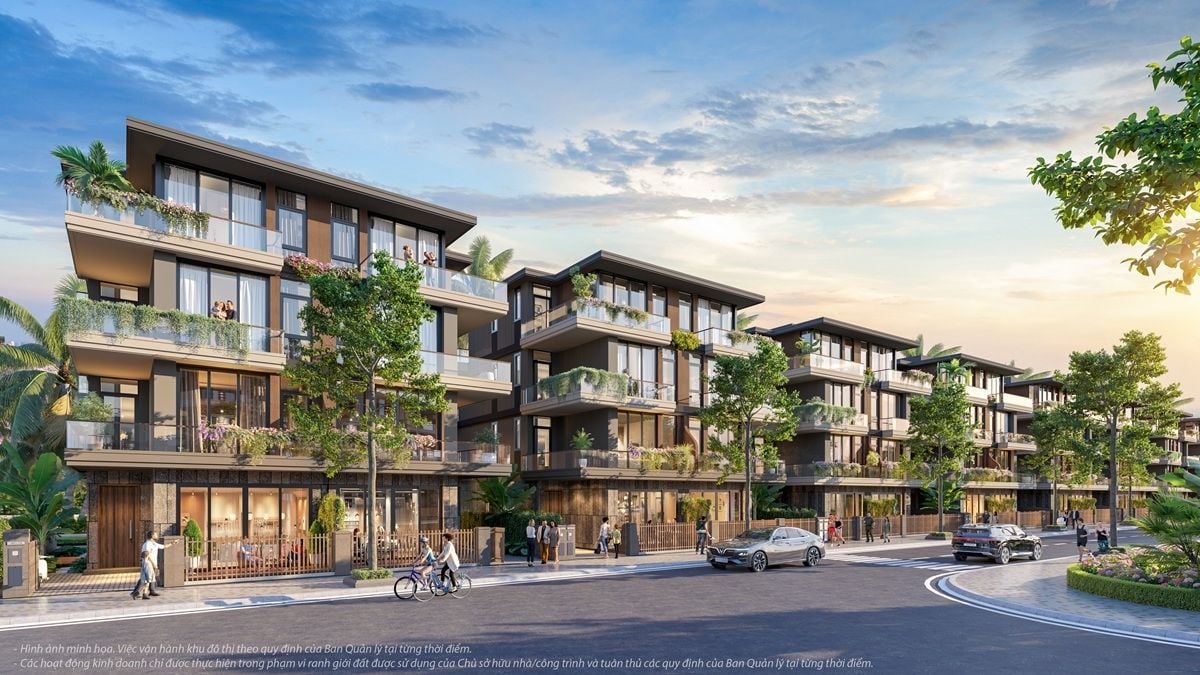
Not following the crowd, The Tropic defines a distinctive living standard in Vu Yen, Hai Phong: a limited community with private space, yet still positioned at the center of the island city’s connectivity. When location, experience, and assets converge in one address, the development is presented as a “calling card” for the generation of achievers seeking to leave a personal imprint.
In real estate, privacy and connectivity are often difficult to balance. The closer a residence is to the center, the livelier the area tends to be, but resident density also increases. Conversely, moving farther away for tranquility can make it harder to stay connected to work, family, and social life.
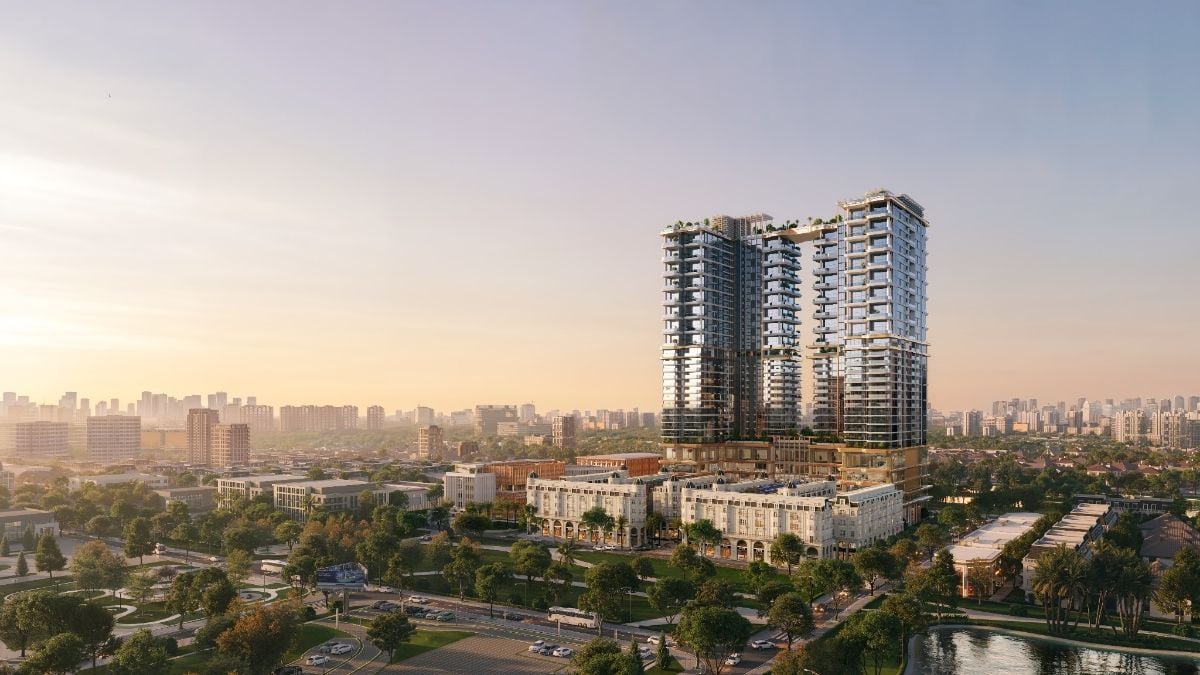
The Tropic is designed to address that trade-off. The precinct has a scale of only 440 villas and shophouse rows, creating a restricted community intended to preserve the privacy needed by elite residents. Each day begins in a quieter, airier setting, supported by greenery, water features, and wide internal boulevards that separate daily life from the city bustle.
Its limited scale is described as an asset not intended for mass demand.
However, the development’s privacy is not positioned as isolation. Located at the crossroads of two main avenues, Hạnh Phúc and Tương Lai, The Tropic is framed as a focal point of a “golden triangle,” connecting the historic inner city, the new administrative center of Thủy Nguyên, and the wider amenity ecosystem of the island metropolis.
This convenience is presented as particularly suited to residents with multi-tasking lifestyles. The article describes a workday that continues beyond the office, with meetings that can be held at home in a space designed to be meticulous and private. It also notes that the lower floor can flexibly support business activities or hosting guests, while the upper floor is intended to provide full living space for the family.
Overall, the development is positioned as packaging living, working, and connection needs in the same address—quiet enough to rest, yet always connected to key routes and destinations.
The article links the concept of “symbolic capital” to sociologist Pierre Bourdieu, describing how symbolic values accumulated through living spaces shape how individuals are perceived in society.
Within that framing, The Tropic is presented as a message of class and aesthetics, reflecting how owners choose to enjoy the results of their labor.
Design elements are described as tropical modern architecture, incorporating light, breeze, greenery, and water as part of the living environment. Open spaces, tall glass walls, and layered green networks are described as creating a relaxed, airy, balanced atmosphere—an attribute the article says is increasingly valued by affluent residents in a rapidly accelerating metropolis.
The article also describes The Tropic as opening onto a high-end experiences ecosystem already present on Vu Yen Island. Through two main boulevards, residents are said to reach lifestyle destinations within minutes.
The article notes that the five-star amenities ecosystem is already evident at Vinhomes Royal Island.
The article states that these experiences are not future plans but are already available as the resident community continues to move in and leverage business opportunities.
It also reports that The Tropic villas have topped out and are entering the final stage of completion. Handover is planned from mid-June 2026, bringing the refined living standards into reality early.
In the context of Hai Phong’s port city entering a new developmental phase, The Tropic—developed by Vinhomes and Nomura—is positioned not only as a residential address but also as a tangible mark of status. The article describes a convergence of living style, exclusive enjoyment, and asset value, intended to affirm owners’ prestige in the island metropolis, which it characterizes as among Vietnam’s most livable.
Premium gym chains are entering a “golden era” that is ending or already in decline, as rising operating costs collide with shifting consumer preferences toward more flexible, community-based ways to exercise. Long-term memberships are shrinking, margins are pressured by higher rents and facility expenses, and competition from smaller, more personalized…