•
•
•
•
•
•
•
•
•
•
•
•
•
•
•
•
•
•
•
•
•
•
•
•
•
•
•
•
•
•
•
•
•


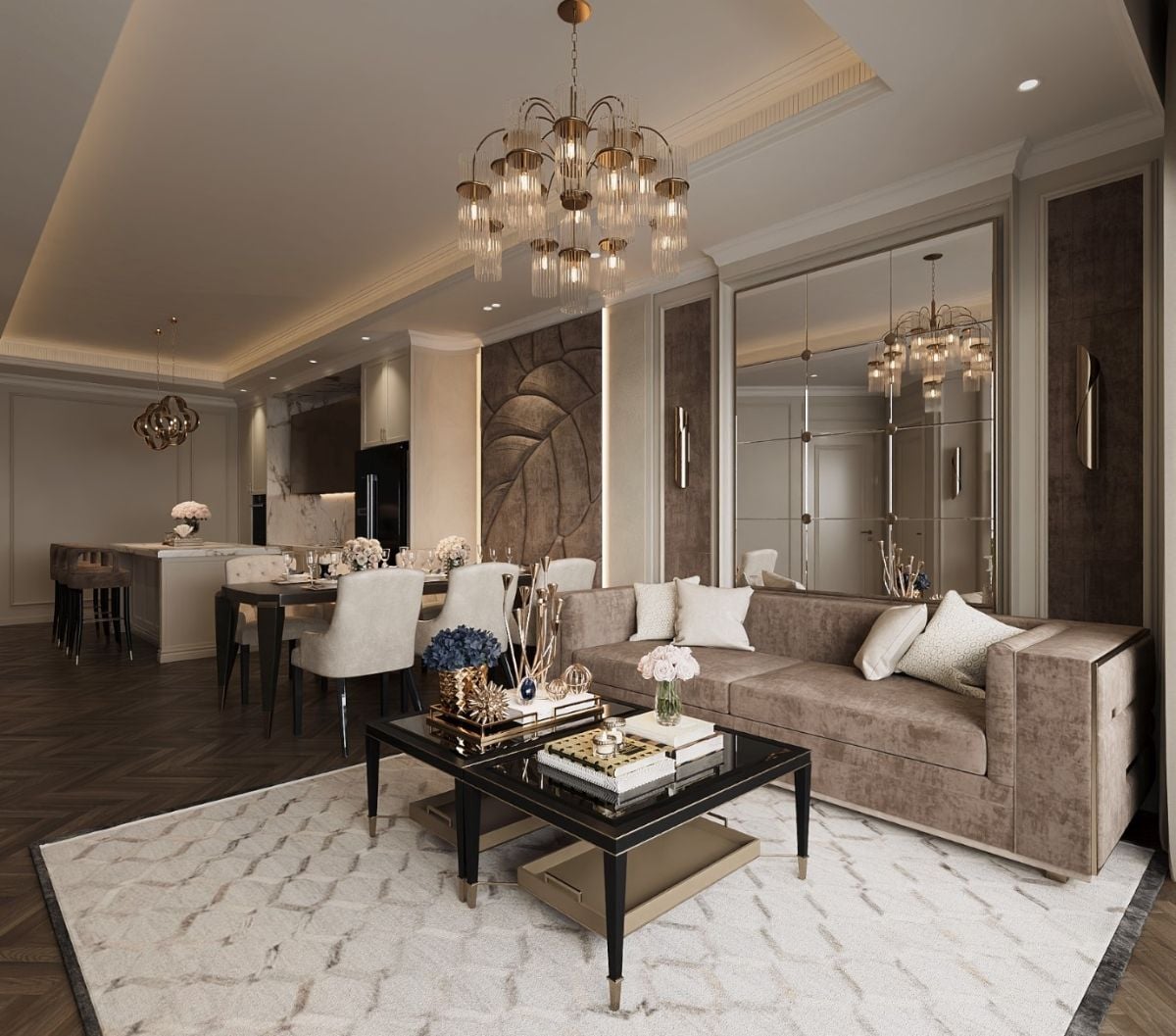
Rising real estate prices have often narrowed what buyers consider “luxury living” to space constraints. In Hanoi, that definition is gradually shifting as buyers return to prioritizing larger living areas, environments close to nature, and convenient daily amenities. Savills Vietnam’s Q1 2025 market report indicates that the average selling price of primary-grade apartments in Hanoi reached 128 million VND per square meter, up about 22% year-on-year over the past five years.
Despite the price growth, a paradox persists in Hanoi’s apartment supply: smaller units still dominate. To optimize returns and fit budget constraints, more than 67% of 2025’s new supply is targeted to the B-class segment, with Studio, 1-bedroom, and 2-bedroom layouts ranging from 45–75 m2.
At the same time, larger apartments are becoming scarce. Three- to four-bedroom units (above 120 m2) are increasingly limited. Even within the luxury segment, three-bedroom apartments are typically capped at 75–85 m2. Savills notes that this has effectively compressed the living standard, with “luxury” increasingly expressed through fixtures and fittings rather than apartment size.
While B-class supply remains abundant, A-class larger-size units in areas such as Tay Ho and Nam Tu Liem account for less than 15% of the market’s total stock, according to Savills.
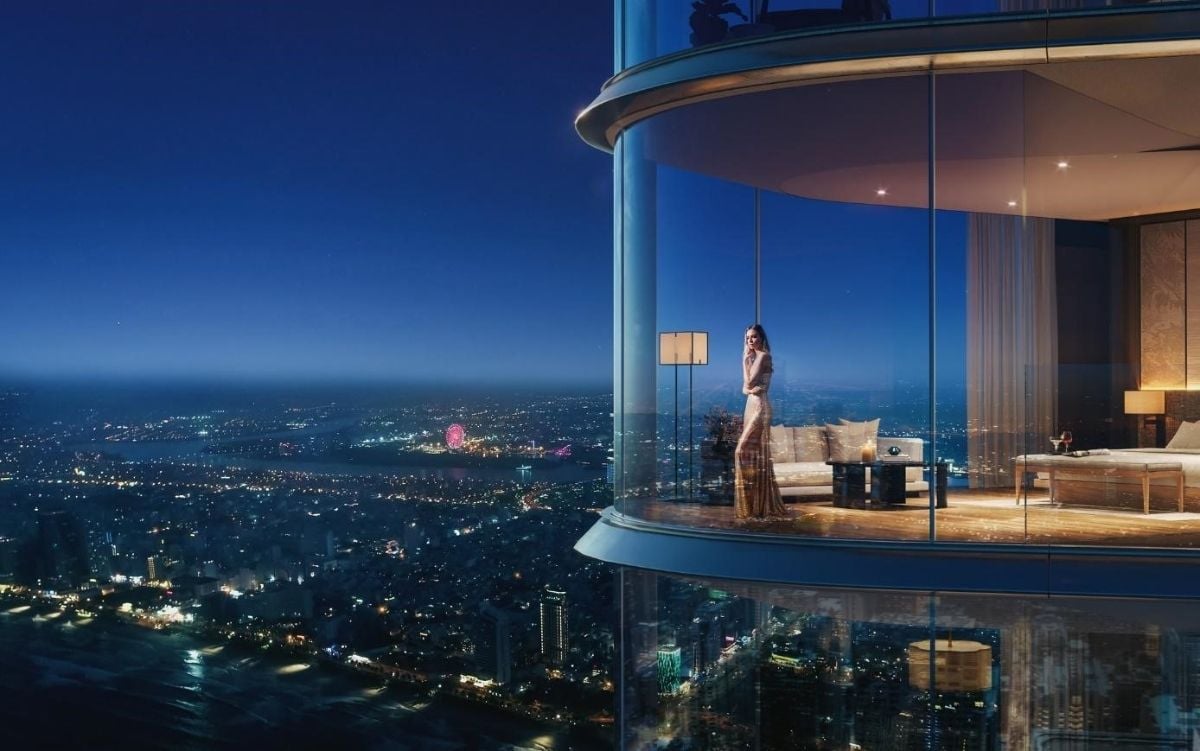
After years of prioritizing amenities and location, high-end buyers are increasingly returning to a core value: living space. In this context, luxury living is described as less about owning an expensive central apartment and more about having a “breathing room” large enough to recharge energy.
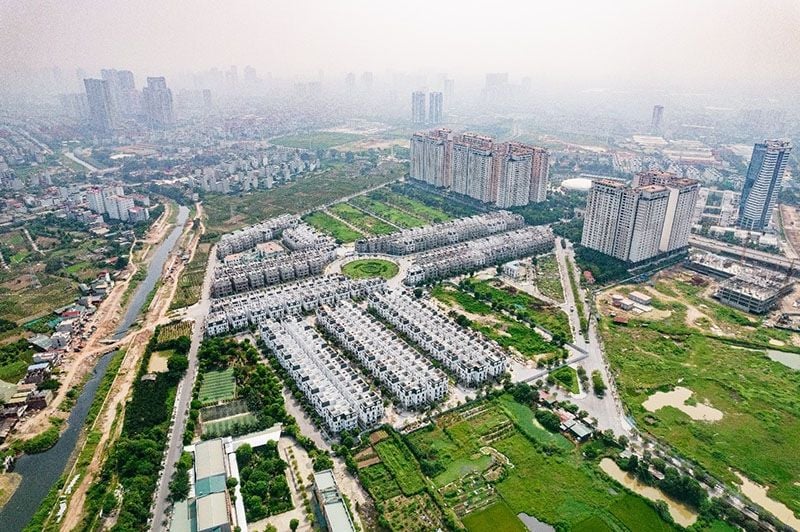
Iconia Lakeside, a central Hanoi project, is presented as a rare example of balancing space, location, and environment. The development includes 603 units with varied sizes, with particular attention to larger apartments, especially three-bedroom units or more, to support comfortable living and multi-generational privacy.
The project’s interiors are designed to maximize functionality, openness, and access to natural light, reflecting a development approach focused on real living needs rather than maximizing unit counts.
Residents also benefit from a natural atmosphere created by the nearly 12-hectare Phung Khoang lake park. The project is located at the intersection of To Huu and Luong The Vinh, near the National Convention Center and Marriott Hotel, with access to mature infrastructure.
Beyond apartment size, the development’s integrated “live-work-enjoy” model combines apartments, low-rise buildings, retail, and offices within a single development. This is intended to reduce dependence on urban traffic and shorten daily routines.
In a market where buyers are seeking authentic value, projects that balance location, living space, and surrounding environment—such as Iconia Lakeside—are positioned as distinctive and difficult to replace.
Premium gym chains are entering a “golden era” that is ending or already in decline, as rising operating costs collide with shifting consumer preferences toward more flexible, community-based ways to exercise. Long-term memberships are shrinking, margins are pressured by higher rents and facility expenses, and competition from smaller, more personalized…