•
•
•
•
•
•
•
•
•
•
•
•
•
•
•
•
•
•
•
•
•
•
•
•
•
•
•
•
•
•
•
•
•


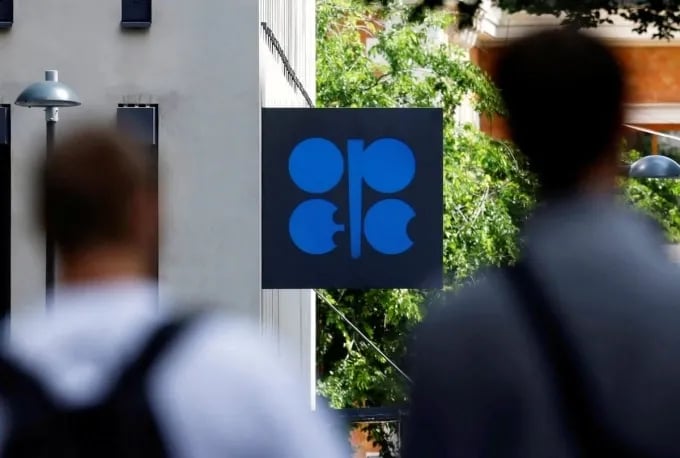
The United Arab Emirates (UAE) has announced it will depart the Organization of the Petroleum Exporting Countries (OPEC) effective May 1, 2026, citing a review of its production policy and capacity. The decision comes amid weeks of missile and drone attacks by Iran, along with constraints on UAE oil exports following Tehran’s blockade of the Hormuz Strait.
In a statement, the UAE Ministry of Energy said the move was made “after a comprehensive review of UAE’s production policy and current and future capacity, based on national interests and a commitment to meet urgent market needs.”
As of February, the UAE was the third-largest oil producer in OPEC, behind Saudi Arabia and Iraq. The UAE joined OPEC in 1967, seven years after the organization’s founding.
Following the announcement, Brent crude rose 2.9% to $111 per barrel, while U.S. WTI climbed 3.8% to $100.
The UAE’s exit could disrupt and weaken OPEC, which has generally sought unity despite disagreements over geopolitics and production quotas. Analysts also described the move as aligning with U.S. President Donald Trump’s earlier stance toward OPEC.
Trump has previously accused OPEC of exploiting the rest of the world by pushing oil prices higher, and earlier this year urged OPEC to lower prices to end the conflict in Ukraine.
The announcement follows UAE criticism of other Arab states for not doing enough to protect the country from recent Iranian attacks. Anwar Gargash, a UAE foreign policy adviser, criticized the response of Arab and Gulf states at a regional forum on April 27.
“GCC members have supported each other logistically, but politically and militarily I believe their stance is the weakest in history,” Gargash said.
After the UAE’s withdrawal, OPEC will have 11 members: Saudi Arabia, Algeria, Congo, Equatorial Guinea, Gabon, Iran, Iraq, Kuwait, Libya, Nigeria, and Venezuela.
OPEC was formed on September 14, 1960, in Baghdad to counter the power of seven oil companies in the UK and the US. Prior to the UAE, Qatar left OPEC in 2019, Ecuador left in 2020, and Indonesia left in 2016, with both Ecuador and Indonesia saying they did not wish to be bound by OPEC production quotas.
Premium gym chains are entering a “golden era” that is ending or already in decline, as rising operating costs collide with shifting consumer preferences toward more flexible, community-based ways to exercise. Long-term memberships are shrinking, margins are pressured by higher rents and facility expenses, and competition from smaller, more personalized…