•
•
•
•
•
•
•
•
•
•
•
•
•
•
•
•
•
•
•
•
•
•
•
•
•
•
•
•
•
•
•
•
•


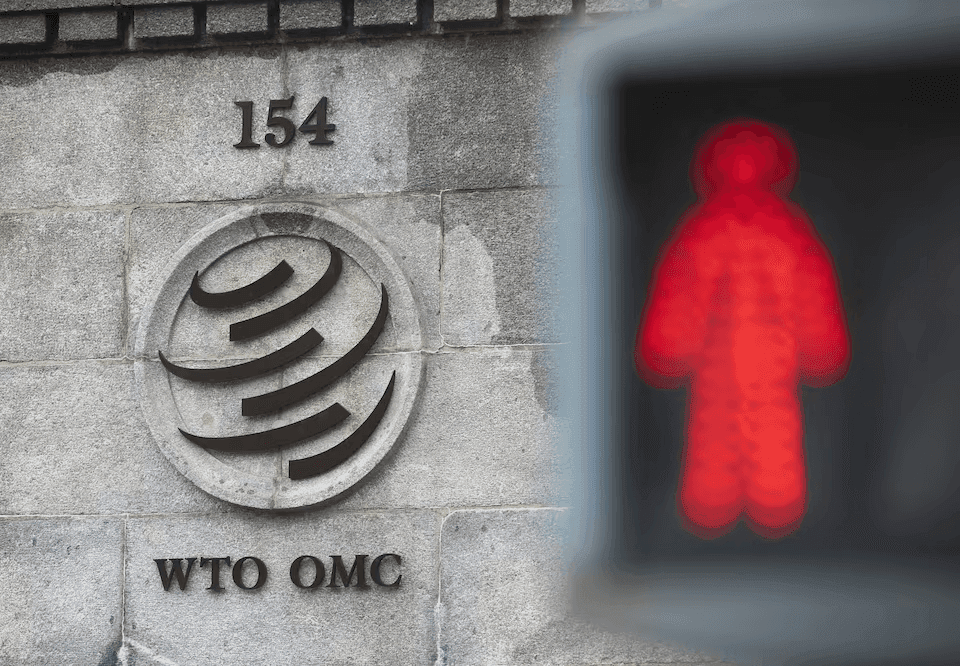
On Thursday, May 7, the United States and more than a dozen World Trade Organization (WTO) members—including Japan, South Korea, Singapore and Australia—announced a separate agreement not to apply tariffs on data and cross-border digital content. The mechanism covers activities such as streaming music or films and downloading software.
The move followed the WTO’s inability to reach consensus on extending the moratorium on tariffs for cross-border digital trade, with Brazil continuing to oppose. At WTO talks in Geneva that ended the same day, Brazil pressed against a proposal to extend the four-year moratorium on cross-border digital content globally. A WTO spokesperson said Turkey, which had opposed the proposal, had shifted its position and no longer opposes.
In March, the WTO summit in Yaoundé, Cameroon also failed to reach consensus on extending the moratorium on cross-border electronic transmissions. The lack of agreement was viewed as another setback for the WTO and raised concerns among businesses about the organization’s ability to build and maintain global trade rules.
The moratorium, agreed by WTO members in 1998 and extended for many years, means members do not apply tariffs on data and cross-border digital content, such as streaming music or downloading software.
After an attempt to extend the moratorium failed to achieve broad consensus, 19 WTO members—including the United States, Japan, South Korea, Singapore, Australia, Norway and Argentina—announced on May 7 that they would not apply tariffs on cross-border data and digital content for an indefinite period.
In a joint statement issued the same day, the group said the agreement would take effect on May 8. It also expressed disappointment that the multilateral moratorium is no longer in place, adding: “Although this is a temporary arrangement, the group will continue to strive within its capacity to provide the greatest possible stability and predictability for business and consumers, in light of the multilateral moratorium on cross-border digital content no longer being in effect.” The statement also invited other WTO members to join the agreement.
Sabina Ciofu, head of international strategy and policy at techUK, which represents about 1,200 tech firms in the UK, said the agreement provides a temporary path but that the absence of broad multilateral consensus remains a concern. “If WTO members cannot sustain consensus on one of the oldest and most widely supported rules of digital trade, questions about the WTO’s role will grow,” she told Reuters.
John Denton, Secretary General of the International Chamber of Commerce (ICC), described the new agreement among 19 WTO members as a “welcome, pragmatic step,” but said the loss of a globally agreed moratorium is worrying. He said businesses need a stable and clear framework rather than “patchwork solutions,” and urged governments to treat the arrangement as a transitional move toward restoring a full multilateral moratorium.
At the WTO General Council, U.S. Ambassador to the WTO Joseph Barloon told delegates that the United States initiated the agreement among a group of members to provide greater certainty and predictability for businesses and consumers. “U.S. efforts to reform and e-commerce do not mean Washington closes the door to multilateral cooperation. However, the United States will not wait for all 166 WTO members to reach consensus before acting if sensible solutions are available,” Barloon said.
Premium gym chains are entering a “golden era” that is ending or already in decline, as rising operating costs collide with shifting consumer preferences toward more flexible, community-based ways to exercise. Long-term memberships are shrinking, margins are pressured by higher rents and facility expenses, and competition from smaller, more personalized…