•
•
•
•
•
•
•
•
•
•
•
•
•
•
•
•
•
•
•
•
•
•
•
•
•
•
•
•
•
•
•
•
•


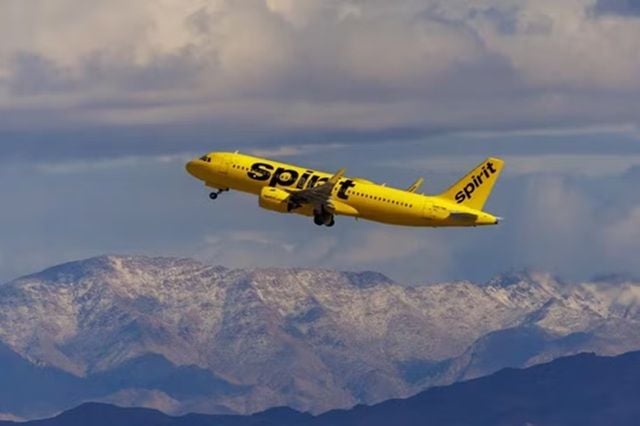
The U.S. government is considering a rescue of Spirit Airlines by taking up to 90% of the company’s shares, a proposal that would mark a shift toward a state-capital model in the United States.
Direct intervention in a private airline has drawn market shock and raised concerns about politicizing economic decisions. Spirit’s financial collapse preceded the move: the carrier filed for Chapter 11 bankruptcy protection in November 2024 after a severe downturn.
Spirit Airlines’ revenues declined sharply, and its stock price—once above $80 per share—plunged to as low as $0.47 by early 2025.
Under the plan, the U.S. would take up to 90% of Spirit Airlines’ shares. If completed, passengers could soon be served by an airline that is effectively government-owned.
Earlier, Spirit pursued market-based rescue options, but they did not succeed. The U.S. Department of Justice under the Biden administration blocked a $3.8 billion takeover by JetBlue.
The deal was expected to help Spirit grow scale and competitiveness. While Judge William Young acknowledged that a merger could benefit consumers, he rejected the transaction, citing that Spirit’s low-cost model helped restrain airfares.
With that path closed, Spirit moved toward bankruptcy and is now awaiting support through public funding.
The proposed Spirit intervention is being viewed as the latest step in the U.S. government’s deeper involvement in private markets.
Under President Donald Trump, the U.S. held minority stakes in Intel, established a “golden share” at U.S. Steel, and directly influenced technology companies such as Nvidia or AMD through tariffs and subsidies. The administration also intervened in staffing decisions, including calls for the ouster of Intel’s CEO and a member of Netflix’s board.
Experts warn that government control of a company could create major risks for the broader economy. They point to the Solyndra solar-energy company as an example: Solyndra received more than $500 million in federal loans before filing for bankruptcy, illustrating how capital allocation driven by political calculations rather than market efficiency can end in failure.
If the Spirit Airlines deal is implemented, the financial risks would fall on American taxpayers, as the government would directly influence which companies are allowed to exist and operate.








Premium gym chains are entering a “golden era” that is ending or already in decline, as rising operating costs collide with shifting consumer preferences toward more flexible, community-based ways to exercise. Long-term memberships are shrinking, margins are pressured by higher rents and facility expenses, and competition from smaller, more personalized…



