•
•
•
•
•
•
•
•
•
•
•
•
•
•
•
•
•
•
•
•
•
•
•
•
•
•
•
•
•
•
•
•
•


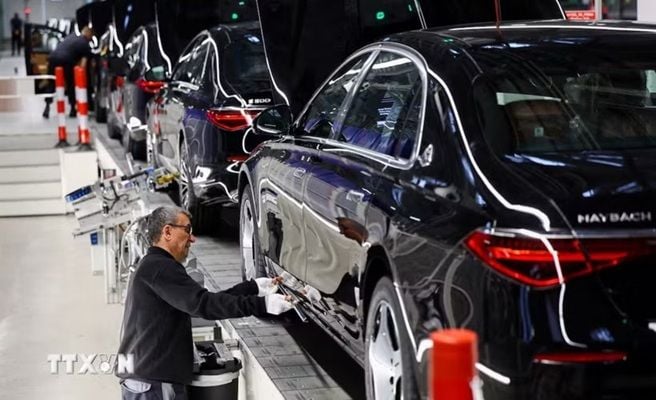
The United States will raise tariffs on cars and trucks imported from the European Union (EU) to 25% next week, accusing the bloc of not complying with the bilateral trade agreement with Washington.
On May 1 (local time), U.S. President Donald Trump announced the tariff increase, adding that auto-producing countries within the United States would not face tariffs.
The announcement followed Trump’s criticism of German Chancellor Friedrich Merz, whom he urged to focus on ending the conflict in Ukraine rather than “interfering” in Iran’s situation.
Germany could be particularly exposed to the higher tariff on cars and parts, given its large share of EU car exports.
Under the 2025 trade agreement, tariffs on EU cars had been reduced to 15%. Previously, EU cars faced a total tariff of up to 27.5%.
The move to 25% is expected to increase costs for EU vehicle exports to the United States, with Germany’s export-heavy auto sector likely among the most affected.







Premium gym chains are entering a “golden era” that is ending or already in decline, as rising operating costs collide with shifting consumer preferences toward more flexible, community-based ways to exercise. Long-term memberships are shrinking, margins are pressured by higher rents and facility expenses, and competition from smaller, more personalized…




