•
•
•
•
•
•
•
•
•
•
•
•
•
•
•
•
•
•
•
•
•
•
•
•
•
•
•
•
•
•
•
•
•


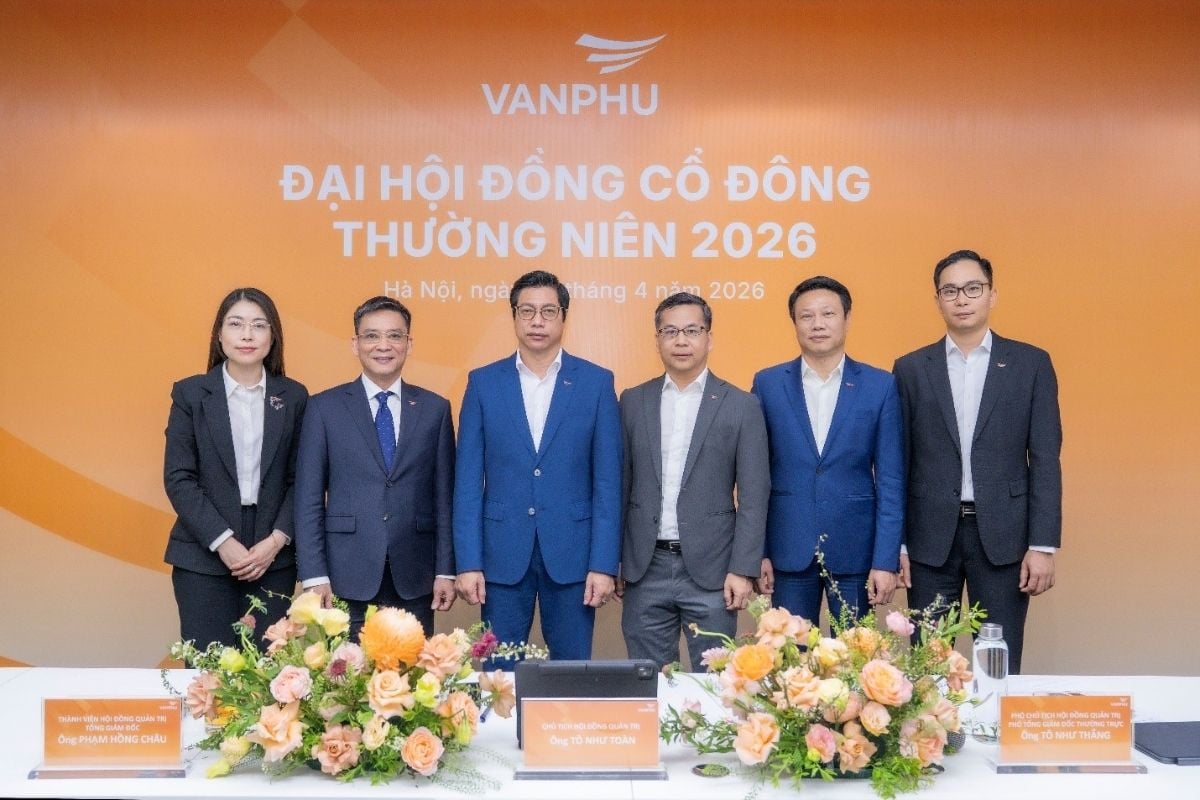
Entering 2026, Vietnam’s economy is forecast to undergo transformative, constructive shifts. A National Assembly resolution on the socio-economic development plan sets key macro targets, including GDP growth of 10% or higher, while controlling inflation with the CPI averaging around 3.5%.
In the financial market, deposit rates at commercial joint-stock banks for 12-month terms commonly range from 6.5% to 7.5%. During smaller banks’ peak periods, long-term rates may exceed 8% per year, and can reach 9.65% for longer tenures.
Against this backdrop, the 2026 real estate market is expected to undergo deep restructuring and cleansing. New laws—including the Land Law, Housing Law, and Real Estate Business Law—have increased project input costs, requiring firms to maintain stable financial capacity and adopt flexible operating strategies to adapt to the new legal environment.
Building on its internal foundation and ability to proactively adjust to market changes, Van Phu’s leadership has set a 2026 business plan with total revenue of 4,500 billion VND, pretax profit of 900 billion VND, and after-tax profit of 720 billion VND. These figures represent increases of 127.7%, 73%, and 83.2%, respectively, compared with 2025 results. The company said this would be its record-high revenue and profit since listing as a public company.
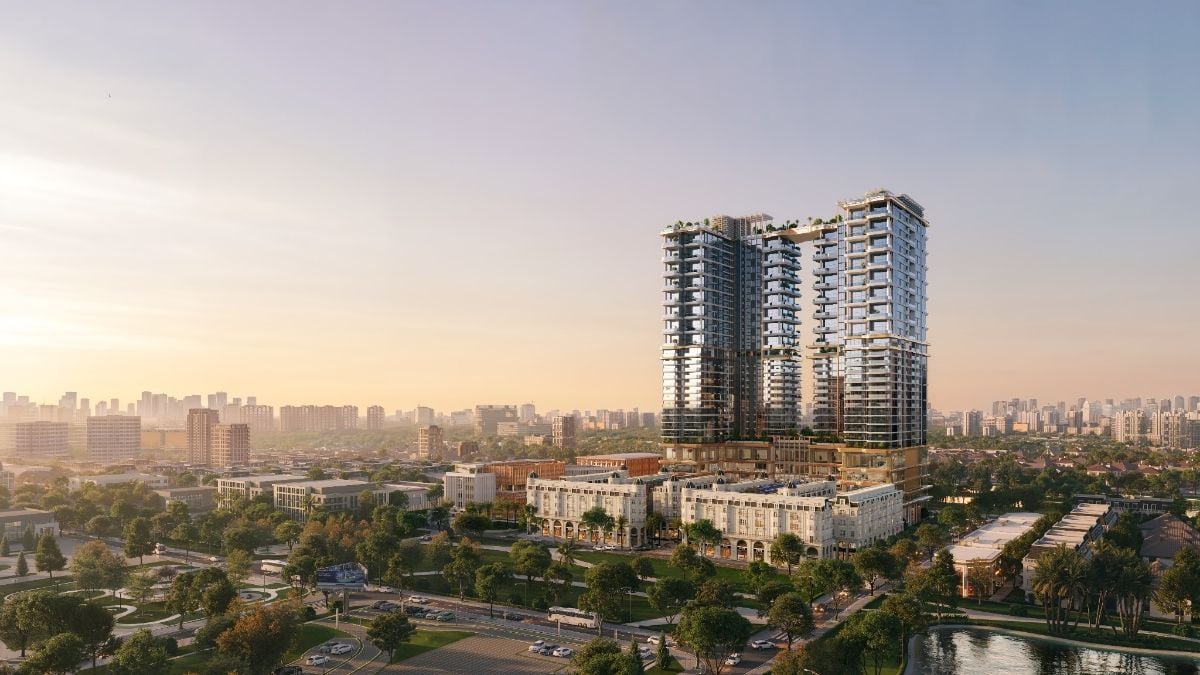
To achieve these goals, Van Phu said it will mobilize maximum resources to accelerate sales velocity, speed up construction progress, and complete legal procedures. The company aims to reach sales readiness and hand over at core projects including Vlasta Premier – Phu Thuận (Ho Chi Minh City), Vlasta – Thuy Nguyen (Hai Phong), and Vlasta Premier – Phu Hoi (Hue).
The Vlasta – Phu Thuận project (in the former District 7) is among the key projects the company plans to implement in 2026. The Vlasta – Thuy Nguyen project will be accelerated toward completion and handover in 2026.
Van Phu also plans to optimize operating cash flow by improving management efficiency and monetizing commercial and hospitality assets to generate stable revenue. Examples cited include Oakwood Residence Hanoi and Terra – An Hung (Hanoi).
In June 2026, the company plans to bring Auko Glamping – Phong Nha (Quang Tri) into operation. The project is located near Son Doong World Heritage and is expected to attract international tourists.
Van Phu said it plans to launch all projects in major cities simultaneously, offering nearly 2,000 products to the market, to create strong growth in the scale of operations and business.
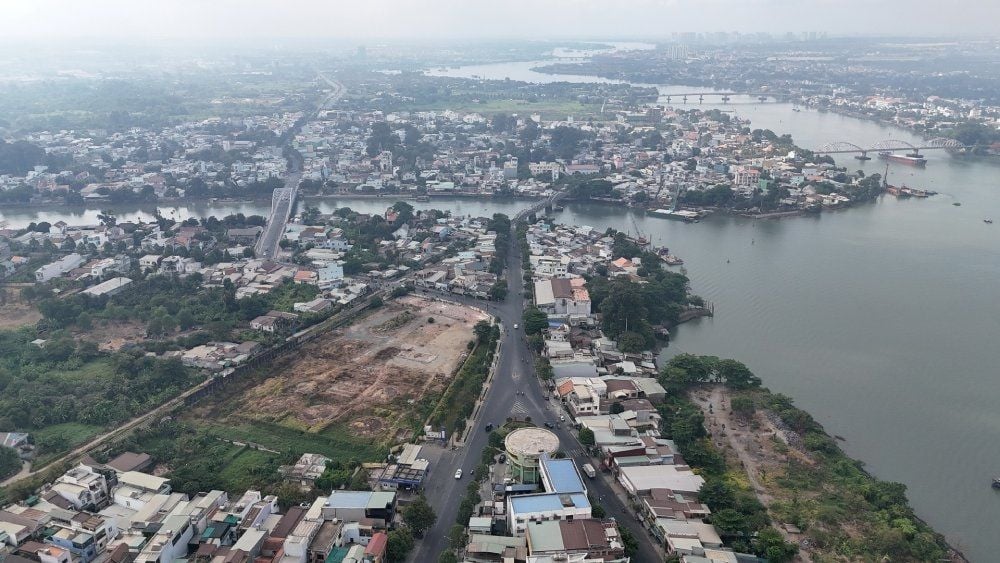
In addition to core project execution, Van Phu plans to continue developing and expanding its land bank by obtaining legal approvals and starting construction on projects including the Western City Center and a residential area in Tan Kien, Binh Chanh District (now Tan Nhat, Ho Chi Minh City). The company also cited Van Phu Complex, a mixed-use building on Pham Hung Street, Tu Liem Ward, Hanoi; Vlasta Premier – Phu Hoi, Hue; and projects in Bac Ninh and Dong Nai.
These locations are described as central areas in Vietnam’s major cities. The company also referenced the BT segment from Pham Van Dong Street to the Go Dua – National Route 1 intersection (Thu Duc Ward), with completion expected in 2026. Through this, Van Phu expects to receive land compensation in central areas of Ho Chi Minh City such as Ly Tu Trong Street, Kinh Duong Vuong Street, and Dao Duy Tu Street, to deploy investment, construction, and capital-recovery operations.
In this new development phase, Van Phu said people and governance remain central. With the motto “people-centric real estate,” the company will continue its 2026–2028 corporate culture development plan, alongside standardization, training, and capacity-building programs to build a professional and sustainable organizational structure over the long term.
On governance, Van Phu said it will refine internal regulatory documents to ensure transparency and compliance and maintain trust among shareholders and partners. The company also stated that the philosophy “Real estate for people” will be carried through all activities, aiming to build a sustainable real estate ecosystem that balances economic, social, and environmental benefits and aligns with modern urban development standards.

Premium gym chains are entering a “golden era” that is ending or already in decline, as rising operating costs collide with shifting consumer preferences toward more flexible, community-based ways to exercise. Long-term memberships are shrinking, margins are pressured by higher rents and facility expenses, and competition from smaller, more personalized…




