•
•
•
•
•
•
•
•
•
•
•
•
•
•
•
•
•
•
•
•
•
•
•
•
•
•
•
•
•
•
•
•
•


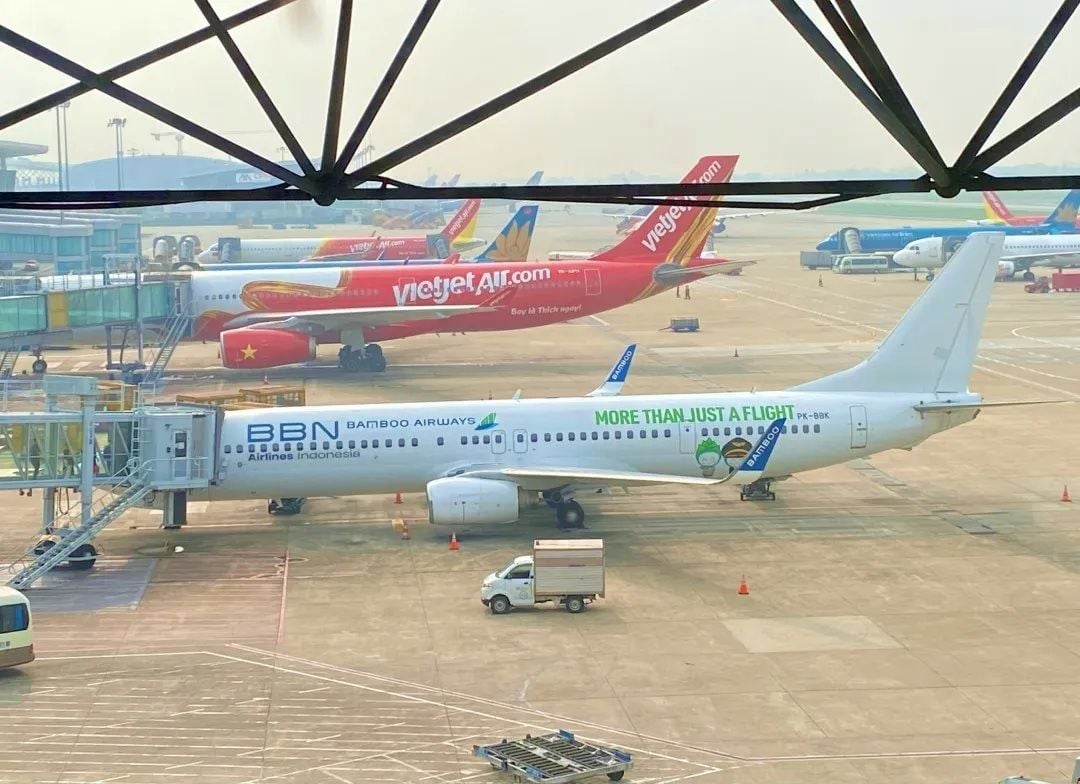
Vietnam’s national airport system planning for 2021-2030, with a vision to 2050, was issued under Decision 648/QD-TTg on June 7, 2023. The plan covers 30 airports in the 2021-2030 period (14 international and 16 domestic) and projects an expansion to 33 airports by 2050 (14 international and 19 domestic).
The plan also identifies 12 potential locations that require further study before being added to the airport system. Among the notable proposals, it would add Gia Bình International Airport and Thổ Chu Airport, with an emphasis on streamlined procedures.
Under the plan, by 2030 more than 95% of the population will be able to access an airport within a 100 km radius. The coverage rate is reported to exceed the global average of 75% and to be comparable with several regional peers: Japan (99%), Korea (100%), China (73.37%), Malaysia (98.13%), the Philippines (93.62%), and Thailand (88%).
Vietnam’s airport planning is described as broadly comparable with regional benchmarks. The article cites the following airport counts: Thailand (39 airports), Malaysia (38), Myanmar (32), Japan (97), and Korea (15).
For international airports, the plan envisions that by 2030, 15 of 31 airports would be international. This is compared with Korea’s 8 of 15, and is described as high relative to other regional peers: Thailand (10/39), Malaysia (7/38), and Japan (29/97).
To avoid delaying planning progress and investment readiness for Mang Den, Van Phong, and Quang Tri airports—requests raised by localities and investors—the Ministry proposed not to merge the adjustments for these three airports into the overall aviation planning adjustment.
On May 7, Deputy Prime Minister Pham Gia Tuc chaired a meeting on the status of implementing and drafting adjustments to the national airport system planning for 2021-2030 with a vision to 2050. The deputy prime minister emphasized that the airport system planning must be strategic, cohesive, and integrated, with a long horizon to 2050 or even 100 years. It should also align with other modes of transport and with the national master plan, regional plans, and related sector plans.
Regarding the proposal to add Mang Den, Van Phong, and Quang Tri airports, the deputy prime minister called for thorough research within the regional development context. This includes clarifying connectivity with road networks and interregional routes, evaluating potential for domestic and foreign investment, and considering dual-use factors. The assessment should also cover overall connectivity with regional airports and the interregional transport system.
The deputy prime minister also noted that private investment in airport construction must be carefully planned. Over-investing could lead to underutilization and hinder operations. In addition, the development of air freight should be linked to tourism and services, with infrastructure development synchronized accordingly.
Premium gym chains are entering a “golden era” that is ending or already in decline, as rising operating costs collide with shifting consumer preferences toward more flexible, community-based ways to exercise. Long-term memberships are shrinking, margins are pressured by higher rents and facility expenses, and competition from smaller, more personalized…