•
•
•
•
•
•
•
•
•
•
•
•
•
•
•
•
•
•
•
•
•
•
•
•
•
•
•
•
•
•
•
•
•


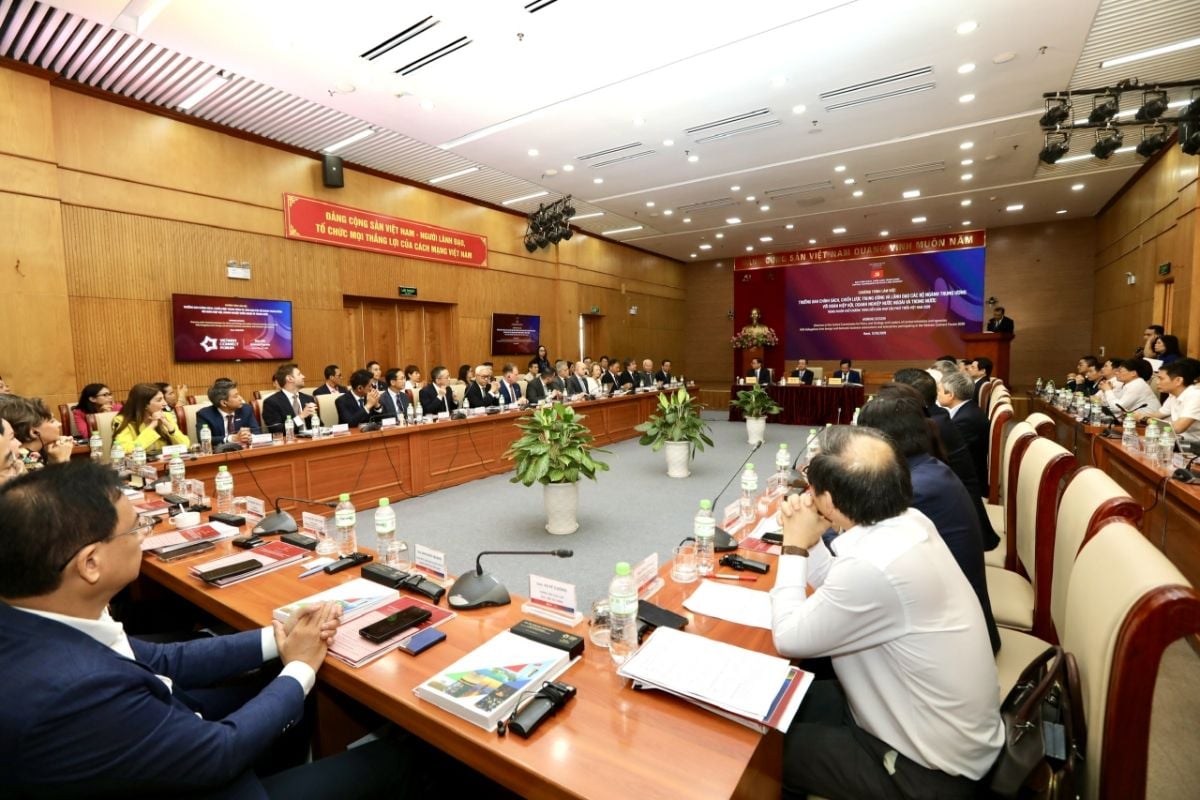
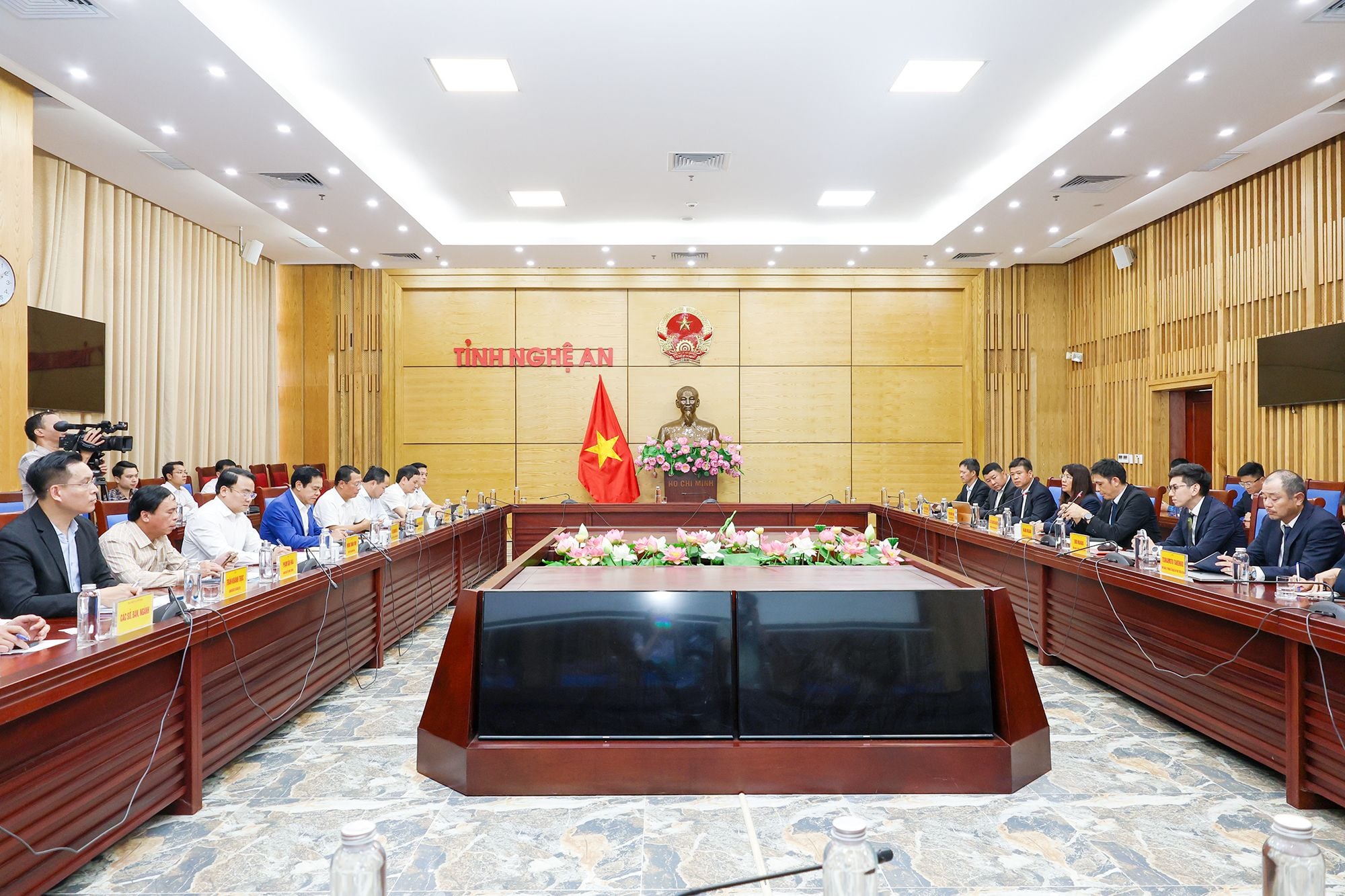
At the Vietnam Development Forum 2026 (Vietnam Connect Forum 2026) on the morning of May 13, Nguyen Thanh Nghi, a Politburo member and Secretary of the Central Committee, held a working session with leaders of central ministries and agencies, foreign business associations, domestic sector associations, and representatives of multinational corporations, foreign-invested enterprises (FDI), and Vietnamese businesses.
Nguyen Thanh Nghi said the 14th National Congress set targets for Vietnam to become a developing country with a modern industry and upper-middle income by 2030, and a developed, high-income country by 2045. To achieve these goals, he said Vietnam must mobilize all resources effectively, with a balanced mix of domestic and external resources between the domestic economy and the FDI sector.
He noted that after nearly 40 years of renovation, the FDI sector has contributed significantly to export growth, economic restructuring, and upgrading production capacity. He added that FDI is also a key resource to help Vietnam achieve double-digit growth and to enable domestic firms to access new technologies and participate more deeply in global value chains.
In the context of rapid global change—including strategic competition, supply chain restructuring, digital transformation, the green transition, and AI development—Nguyen Thanh Nghi said Vietnam faces both opportunities and challenges. He emphasized that Vietnam needs to adjust its approach to attract and use FDI more efficiently and sustainably.
The Head of the Policy and Strategy Commission said attracting and utilizing FDI must be guided toward efficiency and sustainability. The Head also praised the Vietnam Connect Forum 2026 and the working session as opportunities for central agencies to hear business voices directly, with the aim of improving policy and strengthening the effectiveness of attracting next-generation FDI and promoting linkages between the FDI sector and domestic enterprises.
Discussions focused on removing administrative bottlenecks and creating more favorable conditions for FDI enterprises. Representatives from associations and foreign investors said the investment environment has improved, but they still pointed to bottlenecks in administrative procedures, including complex and lengthy processes and inconsistent implementation.
While the issuance of investment registration certificates (IRC) and enterprise registration certificates (ERC) has improved, participants said “sub-licenses” remain a major hurdle. They also said the M&A process is generally clear and predictable, but that as Vietnam deepens integration under EVFTA and CPTPP, some market access barriers should be removed progressively, and ENT rules need clarification to better align with international commitments.
Other concerns raised included inconsistent local enforcement and licensing delays.
European business leaders, including Bruno Jaspaert, President of EuroCham, suggested extending land lease terms to 90 years or more to provide greater reassurance for long-term investments, particularly for projects with long life cycles. AmCham highlighted land-related issues, including uncertainty around lease renewals as expiration approaches.
On investment quality, the forum discussed maintaining FDI attractiveness by focusing on capital quality rather than scale. Jaspaert argued that Vietnam should prioritize the quality of capital—technology, know-how, and value—rather than targeting multi-billion-dollar figures. He said greater self-reliance can improve FDI effectiveness, emphasizing energy, technology transfer, and human development over dollar totals.
Human resources were also highlighted as a key factor. The forum noted that Vietnam has built a relatively synchronized infrastructure baseline, from road and highway networks to airports, but said human resources remain the most important asset for attracting high-quality FDI. Foreign investors said they value the Vietnamese workforce but called for more investment in education and training to raise worker quality.
KoCham President Ko Tae Yeon said Korean businesses want stronger government support for FDI, especially on financial matters such as taxes and tax refunds, noting that delays can affect cash flow and production. He also called for faster localization, saying Vietnam’s localization rate is around 20% and remains modest. He argued that increasing localization would deepen participation in global supply chains, while technology gaps should be narrowed and quality control strengthened so domestic firms can meet international standards through investment and policy support.
Ko Tae Yeon also suggested a sandbox mechanism to help regulators adapt faster and enable investors to make quicker, more confident decisions.
Participants emphasized the need for an even playing field between domestic and foreign enterprises. The market, they said, should be treated as a single competitive environment, with the government establishing fair rules and transparent oversight while firms compete.
Ministries outlined development directions for key sectors and acknowledged proposals from associations and FDI enterprises to streamline administrative procedures, reform land use and planning laws, resolve tax issues, increase localization, and strengthen intellectual property protection to support future FDI.
In closing, Nguyen Thanh Nghi praised the contributions from the business community and associations, describing their proposals as practical inputs to enhance foreign investment attraction and strengthen linkages between FDI and domestic enterprises.
He urged ministries to proactively address issues within their remit to facilitate FDI activity and improve the quality and effectiveness of capital attraction. He said the authorities would continue listening to the FDI community, intensify dialogue, and coordinate with ministries to refine mechanisms and policies to support the best possible investment climate and help meet the two-digit growth requirement in the coming period.

Premium gym chains are entering a “golden era” that is ending or already in decline, as rising operating costs collide with shifting consumer preferences toward more flexible, community-based ways to exercise. Long-term memberships are shrinking, margins are pressured by higher rents and facility expenses, and competition from smaller, more personalized…