•
•
•
•
•
•
•
•
•
•
•
•
•
•
•
•
•
•
•
•
•
•
•
•
•
•
•
•
•
•
•
•
•


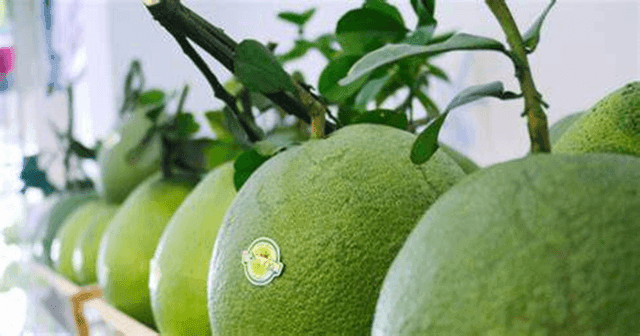
Vietnamese pomelo exports to Australia are being seen as a milestone for the country’s fruit sector, after Vina T&T Group and export partners shipped the first consignments of fresh pomelo to Australia on April 13. The move follows lengthy market-opening negotiations and comes as Australia applies strict quarantine, food safety, and origin-tracing requirements for imported produce.
Australia’s import process requires Vietnamese pomelo to pass a series of checks covering the origin region and cultivation practices, as well as post-harvest processing. According to the Department of Plant Protection and Agricultural Quarantine, each shipment must meet the requirements of Australia’s Department of Agriculture, Fisheries and Forestry before a license is granted.
The successful shipment is viewed as evidence that Vietnamese agricultural products can compete in high-end markets when companies invest systematically in technology, production standards, and traceability.
Industry commentary suggests the pomelo deal is not only about exporting one consignment, but also reflects a broader shift in the fruit and vegetable sector toward a more professional and sustainable production model. Enterprises are encouraged to work beyond individual operations by linking with farmers, cooperatives, scientists, and supporting innovation agencies.
One model highlighted is the “South Vietnam fruit and vegetable innovation club,” established in August 2022. The organization connects farmers, cooperatives, and businesses with new scientific and technical advances.
Ngô Xuân Chinh, head of the South Vietnam fruit and vegetable innovation club, said the partnership between the club and Vina T&T shows that when businesses participate in training and technology transfer to farmers, the exporting region can develop more sustainably. Training sessions are described as covering not only cultivation techniques, but also how growers can meet import-market requirements, including quality standards and the ability to trace origin.
Experts link this approach to “knowledge-based farming,” a concept emphasized by former Vice Chairman of the National Assembly Le Minh Hoan in discussions on modern agriculture. Under this model, farmers are expected to understand not only how to grow crops, but also technology, data, and market needs.
The trend is also described as spreading to other sectors, including aquaculture, where AI is used to monitor environmental conditions and optimize production.
Hoang Trung, Deputy Minister of Agriculture and the Environment, said the agriculture sector is aiming to lift the export value of fruits and vegetables to about 9-10 billion USD in the near future. Achieving this target, the official noted, depends not only on production, but also on sustainable development and reducing emissions.
Measures referenced include green agriculture, carbon-credit markets, and low-emission production zones. Examples mentioned range from leveraging carbon credits in Can Gio’s mangrove forests to building environmentally friendly cultivation areas, reflecting a shift toward long-term value creation rather than focusing only on volume.
Experts say the path to expanding Vietnamese fruit exports will face challenges, particularly as export markets tighten standards. However, they argue that if businesses, farmers, and innovation organizations move in the same direction, the goal of building green agriculture and lifting fruit exports toward the 10 billion USD mark remains achievable.
Premium gym chains are entering a “golden era” that is ending or already in decline, as rising operating costs collide with shifting consumer preferences toward more flexible, community-based ways to exercise. Long-term memberships are shrinking, margins are pressured by higher rents and facility expenses, and competition from smaller, more personalized…