•
•
•
•
•
•
•
•
•
•
•
•
•
•
•
•
•
•
•
•
•
•
•
•
•
•
•
•
•
•
•
•
•


Geopolitical developments in the Middle East are increasing uncertainty for the global economy, with potential effects transmitted through energy prices, inflation, and market sentiment. Early signals suggest these pressures could spread across markets and persist, with real estate expected to be affected in a cyclical manner.
Energy costs can be a meaningful component of inflation in developed markets. The data cited indicates that energy typically accounts for 5% to 10% of total inflation in computing inflation. Savills estimates that each 10% increase in oil prices could raise overall inflation by 0.1 to 0.3 percentage points.
Global oil prices have risen by about 40% since the start of the year, suggesting cost pressures are already becoming evident. However, the impact is expected to vary by region.
The United States, as a net energy exporter, is assessed as better able to absorb shocks. By contrast, Europe and the Asia-Pacific region—both reliant on energy imports—are viewed as more vulnerable to supply disruptions.
Savills also notes that major economies in the region, including China, Japan, India, and Korea, depend significantly on oil and gas transported along strategic sea routes such as the Strait of Hormuz.
In scenarios involving supply-chain disruption and rising transport costs, manufacturing profit margins may narrow. At the same time, firms are expected to intensify efforts to optimize supply chains, including shortening production distances and diversifying plant locations.
These inflationary pressures may also influence monetary policy. Central banks could keep policy rates higher for longer, raising the cost of capital and affecting investment decisions.
For real estate markets, Savills expects a shift toward a “wait-and-see” mindset. Transactions may experience longer negotiation periods or be postponed, not because demand is absent, but as participants adjust short-term expectations. Past episodes cited in the article suggest the market often stalls at an initial stage before recovering once a new equilibrium is established.
In the regional context, Vietnam is not immune to these developments, though the impact is described as mainly indirect—working through costs and supply chains.
Troy Griffiths, Senior Advisor at Savills Vietnam, said the biggest near-term pressure is likely to come from supply-chain costs as energy prices rise. These costs could cascade into logistics, transportation, and other production inputs, which is particularly relevant for Vietnam given its open economy and reliance on international trade.
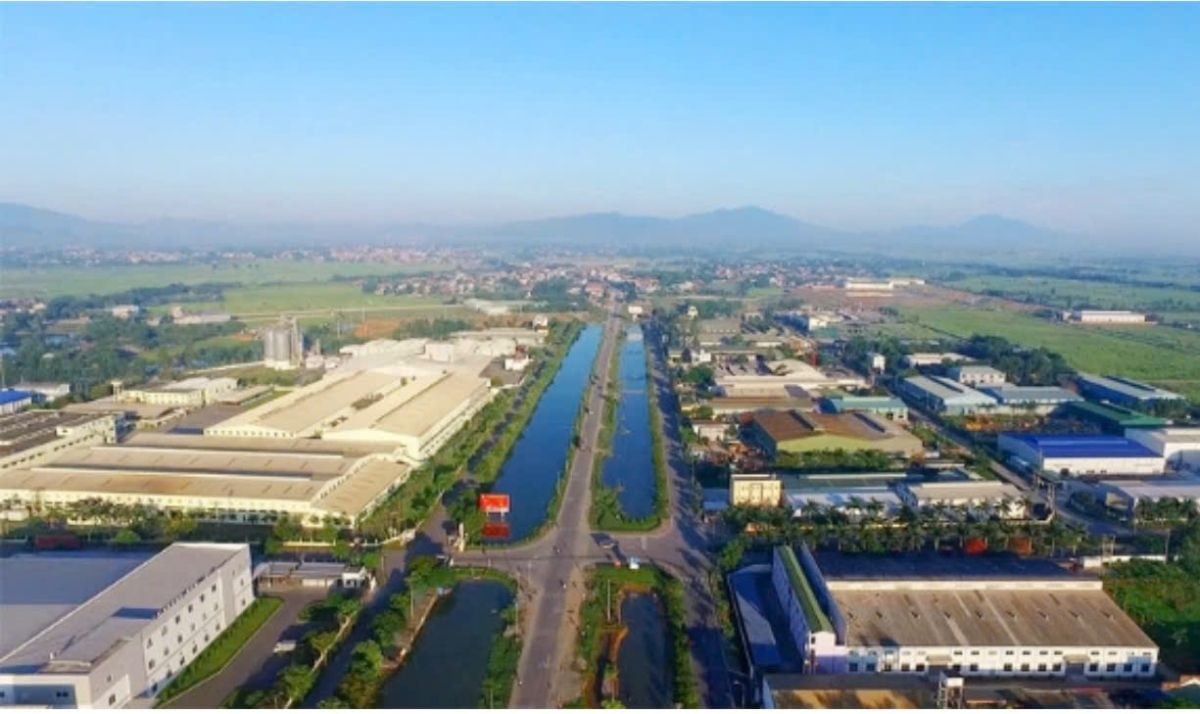
Despite these pressures, domestic market dynamics are described as resilient. In the latter half of 2025, the southern region recorded up to 25,700 hectares of operating industrial land, with an average occupancy rate around 90%. In key markets—Bình Dương, Đồng Nai, and Ho Chi Minh City—current occupancy exceeds 90%.
Savills argues that these fluctuations reflect a longer-term trend: global supply chains are being restructured toward diversification and resilience. After the pandemic, international firms reallocated production, and the current geopolitical shocks may continue to accelerate this process.
In this context, Vietnam is positioned as a location offering a balance of cost, location, and trade connectivity. However, as capital flows toward higher value-added sectors, investment criteria are becoming more selective. The article highlights prerequisites such as energy infrastructure, labor quality, and the ability to maintain uninterrupted operations.
Griffiths said Vietnam’s industrial real estate market has moved into a more mature development phase, where cost advantages are no longer the only deciding factor. The rapid rise in land prices in recent years, along with higher expectations for development quality, is making the market more selective.
In the near term, global investor caution could extend deal timelines in line with regional trends. Over the longer term, the article states that fundamentals—such as infrastructure investment, production growth, and Vietnam’s role in regional supply chains—are expected to continue supporting the market.
“Current geopolitical fluctuations may not suffice to alter the market’s trajectory, but they act as a test of resilience. In this light, Vietnam’s industrial real estate is entering a new cycle, where growth is increasingly driven by the market’s internal quality rather than external drivers.”
Premium gym chains are entering a “golden era” that is ending or already in decline, as rising operating costs collide with shifting consumer preferences toward more flexible, community-based ways to exercise. Long-term memberships are shrinking, margins are pressured by higher rents and facility expenses, and competition from smaller, more personalized…