•
•
•
•
•
•
•
•
•
•
•
•
•
•
•
•
•
•
•
•
•
•
•
•
•
•
•
•
•
•
•
•
•


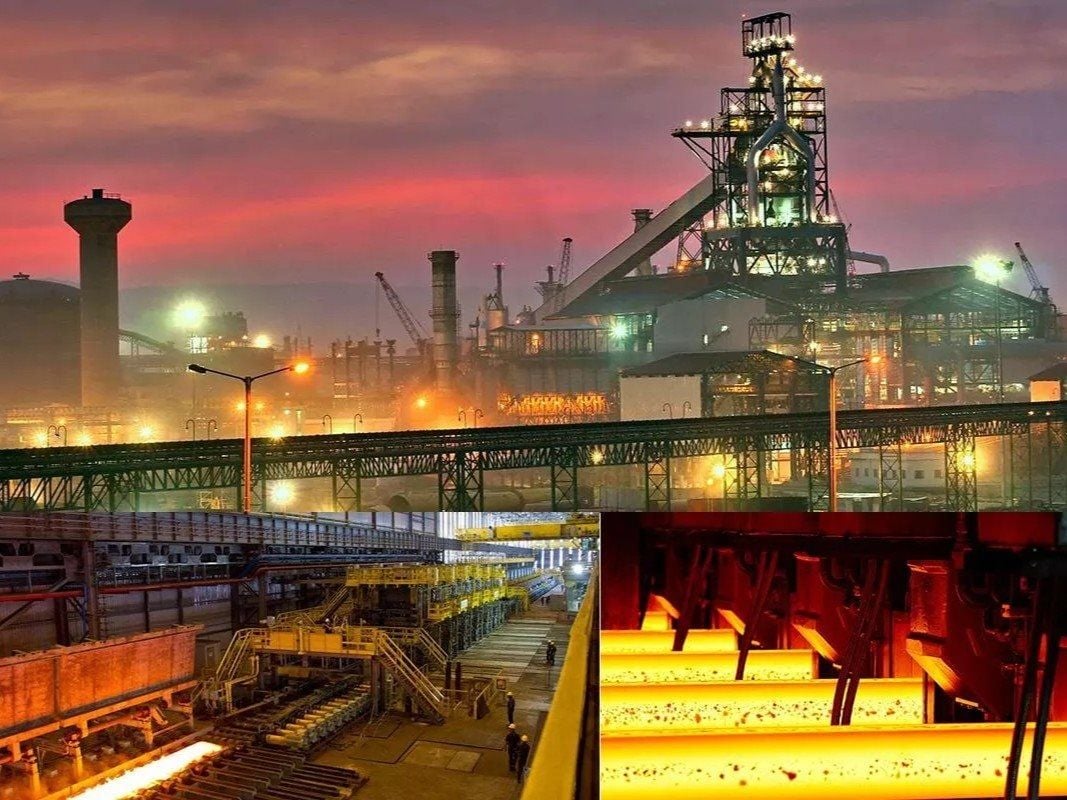
VinMetal (Vingroup) has selected Primetals Technologies as the technical partner for a steel complex in Ha Tinh, renewing market focus on the German–Japanese metalworking technology alliance. Under the project, Primetals acts as system integrator, providing end-to-end connectivity solutions across the steelmaking chain from pig iron to finished steel. The supplier’s repeated presence in major domestic investment projects highlights its role in upgrading Vietnam’s heavy-industry value chain.
Primetals Technologies is part of Mitsubishi Heavy Industries’ (MHI) Infrastructure and Plant Systems division. The company was formed in 2015 by combining Siemens VAI’s metallurgical equipment business (Germany) and Mitsubishi-Hitachi Metals Machinery (Japan). Since 2020, Primetals has been a wholly owned subsidiary of MHI.
MHI’s consolidated financial statements for the year ending March 31, 2025 show that the metallurgical equipment segment generated revenue of 369.4 billion yen (about $2.4 billion). This segment contributed to a system-wide new order value of 7,071 billion yen. Primetals currently employs 7,000 people across 23 countries, with more than 7,000 reference projects worldwide.
From April 1, 2026, Koji Sakatani—an MHI veteran who previously served as Vice President—will assume the role of Global CEO. He said Primetals is positioned to lead transformation in the steel industry through automation solutions, hydrogen-based applications, direct reduced iron (DRI), and electrification of rolling mill systems. Services and digital technologies are identified as key drivers for reducing carbon emissions.
Primetals’ technology ecosystem covers the metallurgical value chain, from ore processing and pig iron production to continuous casting, rolling, and surface finishing. Current development priorities include low-emission steel production and digital plant technologies.
Among the technologies cited are the Arvedi ESP continuous casting and rolling line, designed to reduce energy use in hot rolling, and the EAF Ultimate flexible steelmaking furnace, which uses mixed feedstock of direct reduced iron (DRI) and scrap.
These capabilities are connected through the digital platform Metris, which uses AI to monitor quality and predict maintenance needs.
Beyond new equipment, Primetals also provides lifecycle services for existing plants and applies 3D printing and virtual reality to engineering processes.
Primetals’ track record is reflected in long-term partnerships with multinational steel groups. In India, it has worked with JSW Steel for more than 25 years, providing a core steelmaking plant and supporting capacity expansion.
In Austria, the H2FUTURE project for Voestalpine includes a 6 MW hydrogen electrolysis system as a proof point for scalable low-emission steel production. In China, Baosteel uses a continuous casting and rolling mill to gain share in thin-gauge steel for the electric vehicle sector.
With ArcelorMittal of Luxembourg, the two firms have maintained a partnership since 2007, implementing solutions spanning basic steelmaking and measurement equipment, including efforts to raise workplace safety standards.
The article links Primetals’ international experience to Vietnam, where private groups are allocating resources to upgrade the value chain and reduce imports.
Hoa Phat Group has signed an investment contract for a 500,000 tonne/year high-quality steel casting and rolling mill. The project is intended to produce steel for automotive rims and large bloom ingots—inputs for rail production for major infrastructure projects.
Xuan Thien Group in Ninh Binh also uses continuous casting and flexible melting systems to secure raw material for steel plates used in shipbuilding and offshore wind turbines.
Premium gym chains are entering a “golden era” that is ending or already in decline, as rising operating costs collide with shifting consumer preferences toward more flexible, community-based ways to exercise. Long-term memberships are shrinking, margins are pressured by higher rents and facility expenses, and competition from smaller, more personalized…