•
•
•
•
•
•
•
•
•
•
•
•
•
•
•
•
•
•
•
•
•
•
•
•
•
•
•
•
•
•
•
•
•


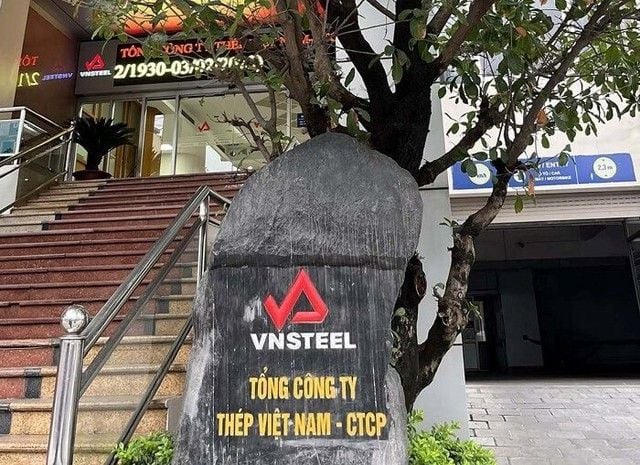
Vietnam Steel Corporation – JSC (VNSteel, ticker: TVN) has released unusual information related to a dispute over a real estate project in Ho Chi Minh City, following a decision by the Vietnam International Arbitration Center.
In a disclosure dated May 8, the Arbitration Council approved VNSteel’s request to terminate the Investment Cooperation Agreement between VNSteel and An Huy Real Estate Joint Stock Company.
The decision also requires Vietnam Steel Real Estate Joint Stock Company Quang Huy to return to VNSteel the land plot at 19/20 Tu Quyet Street, Ho Chi Minh City. The land is described as a two-frontage site, including frontage on Nguyen The Truyen Street.
In addition, the Arbitration Council ordered An Huy Real Estate Joint Stock Company and Vietnam Steel Real Estate Joint Stock Company Quang Huy to jointly reimburse VNSteel more than VND 1.17 billion in arbitration fees and travel costs.
The companies must complete these obligations within 30 days from the date of the award. If payment is delayed, the overdue amount will accrue interest at a rate of 10% per year.
The Arbitration Council did not approve requests for damages or for payment of court costs beyond the arbitration fees.
The land plot at 19/20 Tu Quyet, Tan Phu District, Ho Chi Minh City is described as being valued at nearly VND 76 billion. Since 2010, it was approved as a site for a mixed-use apartment and services project. In 2013, Ho Chi Minh City terminated the project.
Despite the termination, the plot remains in use for VNSteel’s operations.
Beyond this dispute, VNSteel’s disclosure also references other notable issues tied to large investment projects and land holdings.
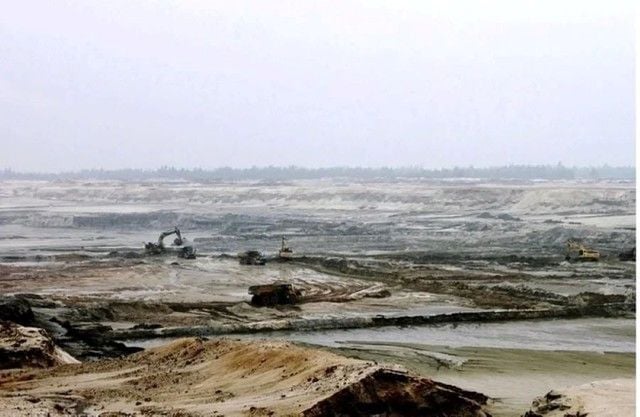
The most prominent is the Phase 2 expansion of the Thai Nguyen Iron and Steel Plant (TISCO 2), with total investment exceeding VND 8,000 billion. The project stalled, leading to criminal proceedings against several former VNSteel and TISCO leaders.
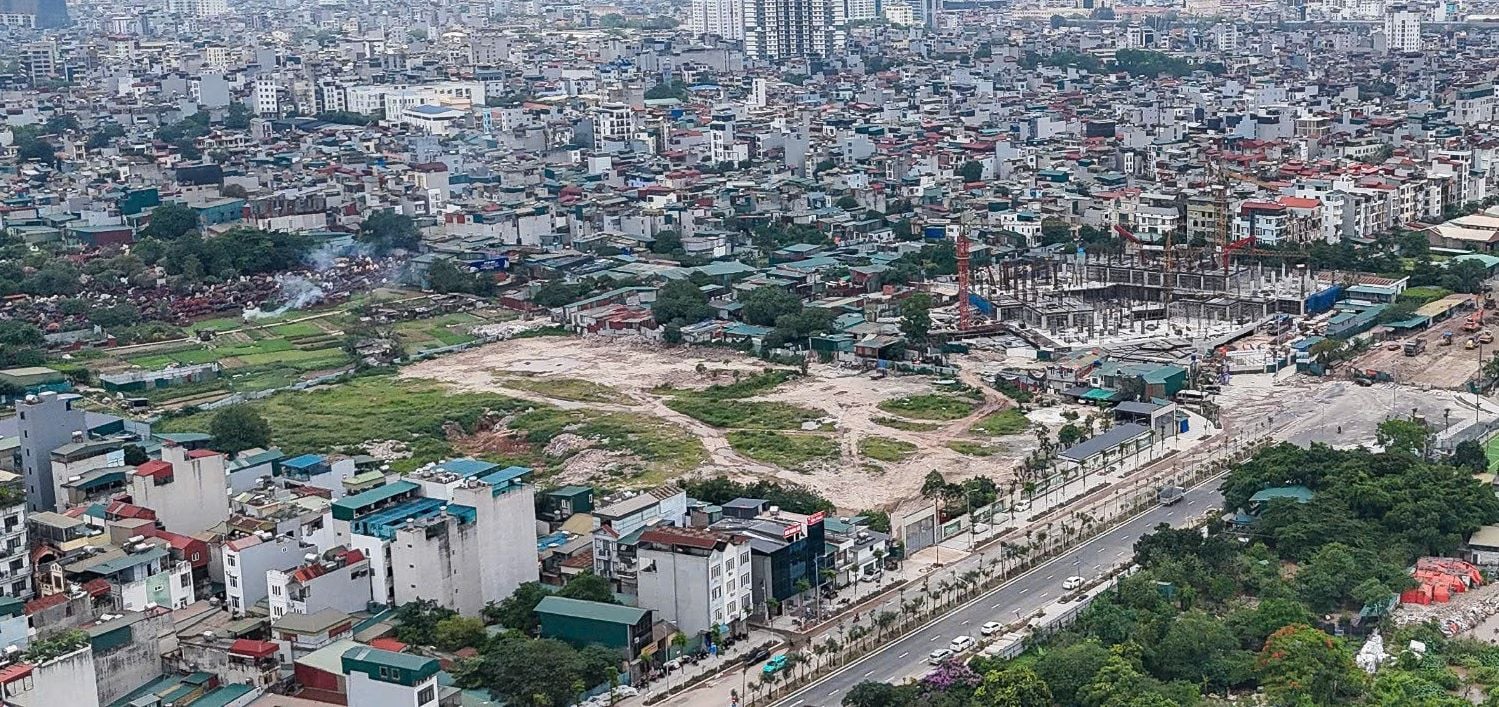
The Government Inspectorate has also pointed to violations involving the so-called “golden” land project at 120 Hoang Quoc Viet, Cau Giay District, Hanoi, covering 2,200 m2. The issues cited include changes in land use purpose, slow project progress, and risks of asset loss after equitization.



Premium gym chains are entering a “golden era” that is ending or already in decline, as rising operating costs collide with shifting consumer preferences toward more flexible, community-based ways to exercise. Long-term memberships are shrinking, margins are pressured by higher rents and facility expenses, and competition from smaller, more personalized…



