•
•
•
•
•
•
•
•
•
•
•
•
•
•
•
•
•
•
•
•
•
•
•
•
•
•
•
•
•
•
•
•
•


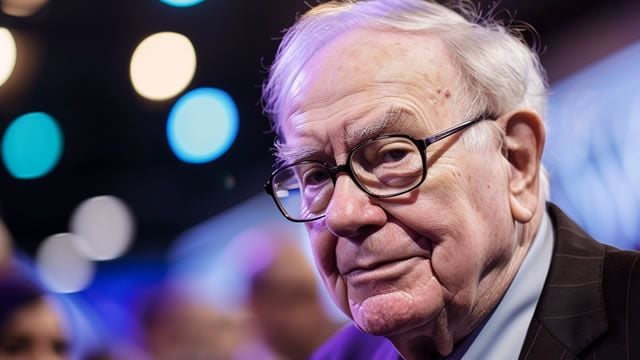
Influencer and investor Sahil Bloom, speaking to Business Insider in Omaha ahead of Berkshire Hathaway’s annual meeting, described Warren Buffett as a “media master” and said the event—often referred to as “shareholder weekend”—has a distinctive appeal that may be difficult to replicate in a post-Buffett era.
Bloom recalled meeting Buffett for the first time in 2019, saying he was so starstruck he “couldn’t speak.” He said Buffett’s demeanor was “so disarming,” adding that Buffett asked him questions such as where he had dinner the previous night, which quickly put him at ease.
Bloom also characterized Buffett as “so kind and open and generous with his time,” describing his interactions as welcoming and grounded.
Bloom said he has drawn two key lessons from studying Buffett: the value of constant learning, and the importance of saying “no” to activities outside one’s circle of competence.
Bloom noted that Abel and Berkshire’s insurance chief, Ajit Jain, do not have the same “theatrical flavor” and witty camaraderie that Buffett shared with his late business partner, Charlie Munger. However, Bloom said he has spent time with Abel and found him “extremely kind and very present” during conversations, adding that he has “a lot of confidence” in Abel’s leadership.
Bloom reflected on what makes Berkshire’s annual meeting uniquely compelling and whether that appeal will persist after Buffett. He said the gathering offers a “high density of really smart people” within a short time window, and that attendees are in a setting where there is “not a whole lot else to do other than meet people.”
Looking around the Hilton Omaha lobby, Bloom said he believed many attendees were managing “tens, if not hundreds, of billions of dollars under one roof,” adding: “That’s hard to replace.” He said he hopes the meeting continues for that reason.
Premium gym chains are entering a “golden era” that is ending or already in decline, as rising operating costs collide with shifting consumer preferences toward more flexible, community-based ways to exercise. Long-term memberships are shrinking, margins are pressured by higher rents and facility expenses, and competition from smaller, more personalized…