•
•
•
•
•
•
•
•
•
•
•
•
•
•
•
•
•
•
•
•
•
•
•
•
•
•
•
•
•
•
•
•
•


Consumer prices in the first quarter of 2026 rose by 3.51% year-on-year, according to data from the General Statistics Office (Ministry of Finance). The food and beverage group increased by 4.55%. By early April 2026, some input costs had begun to ease, but retail prices had not adjusted accordingly, with many items still priced at elevated levels despite consumer expectations.
From a market perspective, the pattern of “prices rise quickly, fall slowly” is not new. It reflects difficulties in operating supply chains, spanning raw materials, logistics, and final consumer-facing services.
In practice, many suppliers in the food-ingredients supply chain use periodic pricing mechanisms. This creates a lag between changes in costs and changes in market prices, meaning adjustments are not immediate.
Mr. Luu Van Tuan, Deputy Director of Thai Eco Co., Ltd., an agricultural-input supplier for many food and beverage firms, said pricing is typically set on a monthly cycle. He noted that market prices can change daily, so when input costs rise abruptly, suppliers must keep the old prices until the end of the fixed period. Conversely, if prices fall, customers cannot be adjusted immediately.
In a volatile environment, even short delays in transactions can translate into cost pressures across the food-ingredients supply chain.
Mr. Tuan added that partners closely track input-cost movements. When price quotes are adjusted, food and beverage buyers generally accept them. However, he said the current pricing mechanism remains insufficiently flexible even when both sides understand the situation.
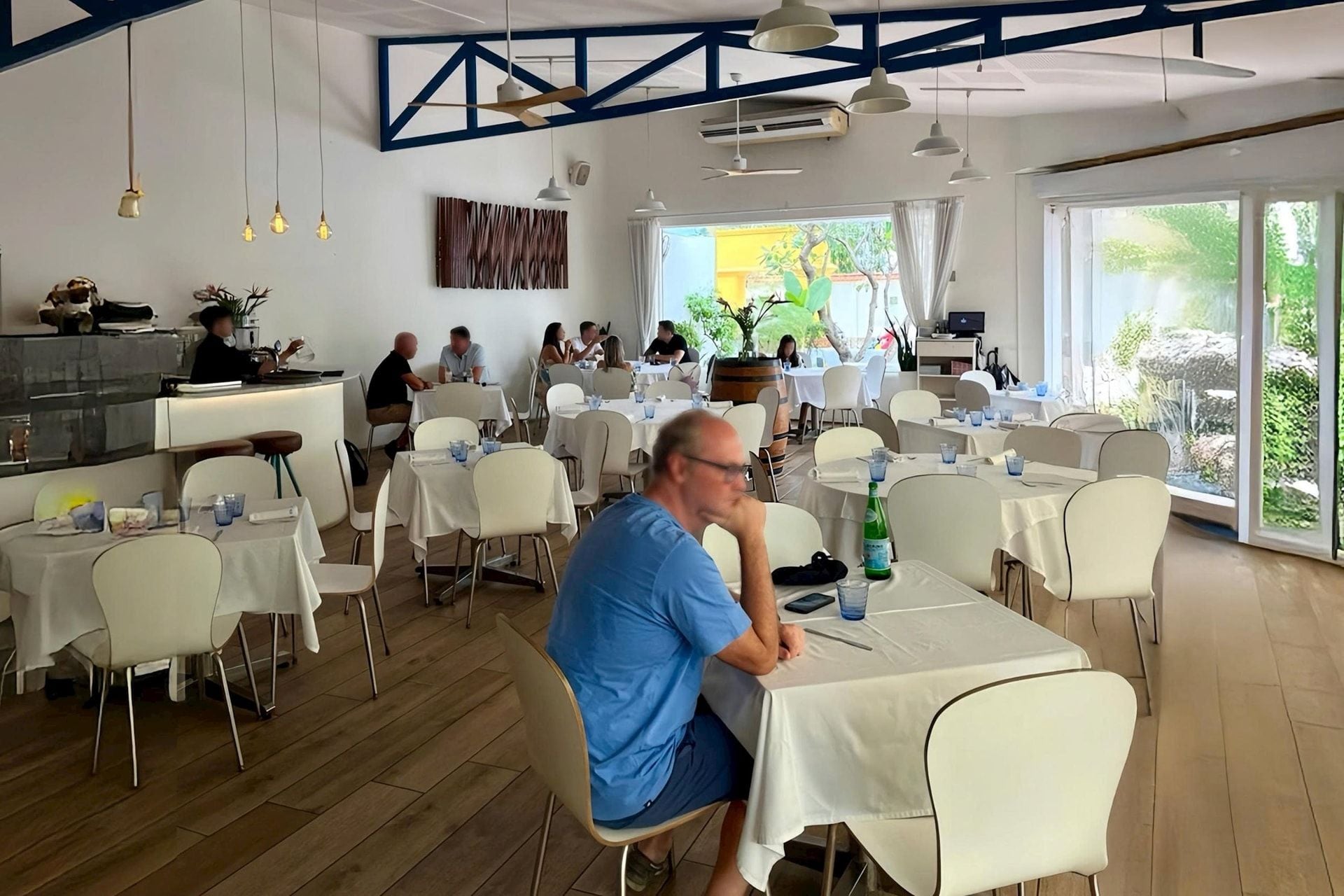
For buyers, the challenge is not only whether prices rise or fall. Many restaurants are optimizing operations rather than reducing service quality. This approach emphasizes cost discipline across electricity, water, labor, and ingredient waste.
Mr. Dang Dinh Manh, owner of Ca Lang restaurant, said the business is focusing on cost control to reduce waste without compromising service quality. He said: “We control costs at all stages, but in a way that optimizes without sacrificing service quality.”
He also acknowledged that profits have been affected, with earnings at times falling to about one-third of previous levels, and sometimes nearly none.
Alongside volatility and the limitations of manually driven trading channels, there is growing demand for flexible, real-time connectivity between suppliers and food and beverage firms.
A development highlighted in the source is Freso, a wholesale B2B e-commerce platform for agricultural products developed by Viettel Services Corp. For suppliers, participating in Freso is intended to standardize processes from ordering to payment and improve information clarity.
For buyers, including restaurants and other food and beverage operators, the main value is the ability to select and manage supply sources more actively. Freso allows access to multiple suppliers simultaneously, supports real-time price comparisons, and provides updates—reducing the sourcing burden and enabling more proactive procurement decisions rather than relying on periodic quotes.
While traditional channels remain in use, adding digital platforms is increasingly viewed as a way to mitigate delays from periodic pricing and improve adaptability in a volatile market.






Premium gym chains are entering a “golden era” that is ending or already in decline, as rising operating costs collide with shifting consumer preferences toward more flexible, community-based ways to exercise. Long-term memberships are shrinking, margins are pressured by higher rents and facility expenses, and competition from smaller, more personalized…