•
•
•
•
•
•
•
•
•
•
•
•
•
•
•
•
•
•
•
•
•
•
•
•
•
•
•
•
•
•
•
•
•


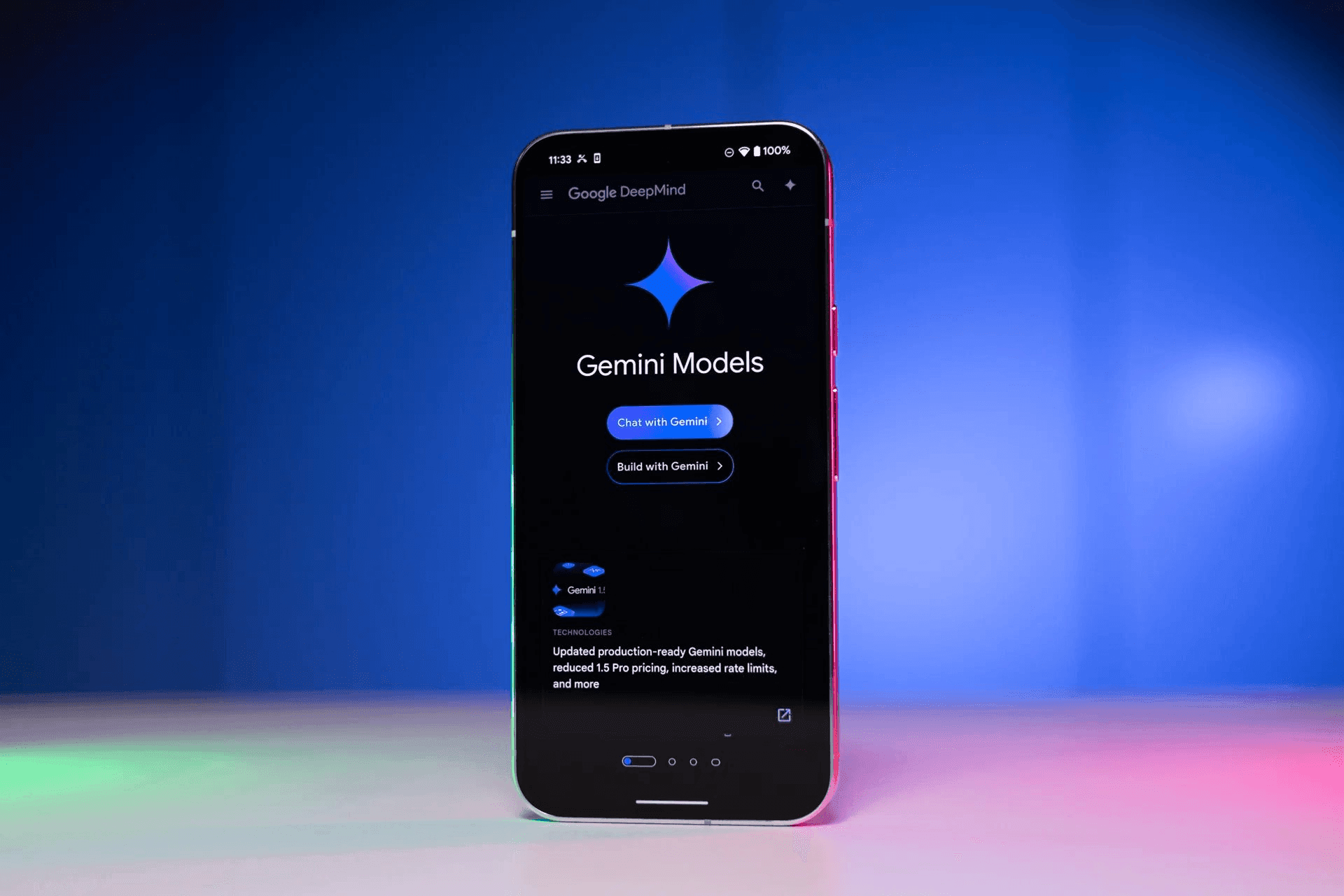
After 30 days of constant testing on Android, the article compares three AI assistants—Claude, ChatGPT, and Gemini—focusing on how they handle complex reasoning, voice interaction, and integration with phone and productivity ecosystems.
The article says Claude stands out for the depth of its reasoning. With the newly released Opus 4.7 and Adaptive Thinking, it is described as “thinking through” data rather than only returning answers. In one example, Claude is said to have analyzed a complex Docker Compose file that was failing in the author’s home lab, breaking down logical layers to explain why a network bridge was not working.
Claude is also described as offering Persistent Memory, which remembers hardware configurations and personal details such as current location and occupation without requiring the user to repeat them in a new chat. The article highlights Connectors, which allow Claude to link tools including Canva, Asana, Gmail, and Google Drive for context-aware questions—such as requesting design improvements for a recent Canva project or searching for details in Google Docs directly from the chat interface.
Despite these strengths, the article argues Claude is not as deeply integrated into a system as Gemini, noting that task execution on a phone can involve more friction.
On Android, the article identifies ChatGPT’s Advanced Voice Mode 2.0 as a key differentiator. It attributes the improvement to the latest OpenAI models that process native audio, saying the assistant can hear the user’s words and detect emotional cues such as frustration in traffic or excitement about a business idea.
Like Claude, ChatGPT is described as having an app section for connecting multiple tools. However, the article says ChatGPT still does not “get” the phone in the same way as Gemini, citing limitations such as not being able to access Google Photos and not knowing about upcoming events like a meeting scheduled in 10 minutes.
The article describes Gemini as the most Android-native option, presenting it as a system-level component rather than a standalone app. It emphasizes Gemini’s integration with Google Workspace services, including Docs, Sheets, Slides, Keep, Tasks, and Gmail.
As an example, the article says Gemini can answer questions such as the most recent credit-card bill due date and the total amount due, retrieving the information quickly. It also describes similar functionality with Google Keep, allowing the user to locate details in notes through simple commands.
The article says Gemini’s integration with Google Photos is a major advantage for workflow. It gives an example prompt: “Find photo of me at Ba Na Hills in Vietnam,” with Gemini surfacing relevant results within the interface.
It also notes integration with YouTube Music and Google Tasks. However, the article adds that Gemini’s third-party integrations are relatively limited, stating it does not natively connect to external services such as Canva or Asana.
Overall, the article concludes that Gemini is the obvious choice for users who rely heavily on Google’s ecosystem, while those with workflows outside that ecosystem may find it restrictive.
After 30 days of testing, the article’s conclusion is that each assistant fits different use cases:





Premium gym chains are entering a “golden era” that is ending or already in decline, as rising operating costs collide with shifting consumer preferences toward more flexible, community-based ways to exercise. Long-term memberships are shrinking, margins are pressured by higher rents and facility expenses, and competition from smaller, more personalized…