•
•
•
•
•
•
•
•
•
•
•
•
•
•
•
•
•
•
•
•
•
•
•
•
•
•
•
•
•
•
•
•
•


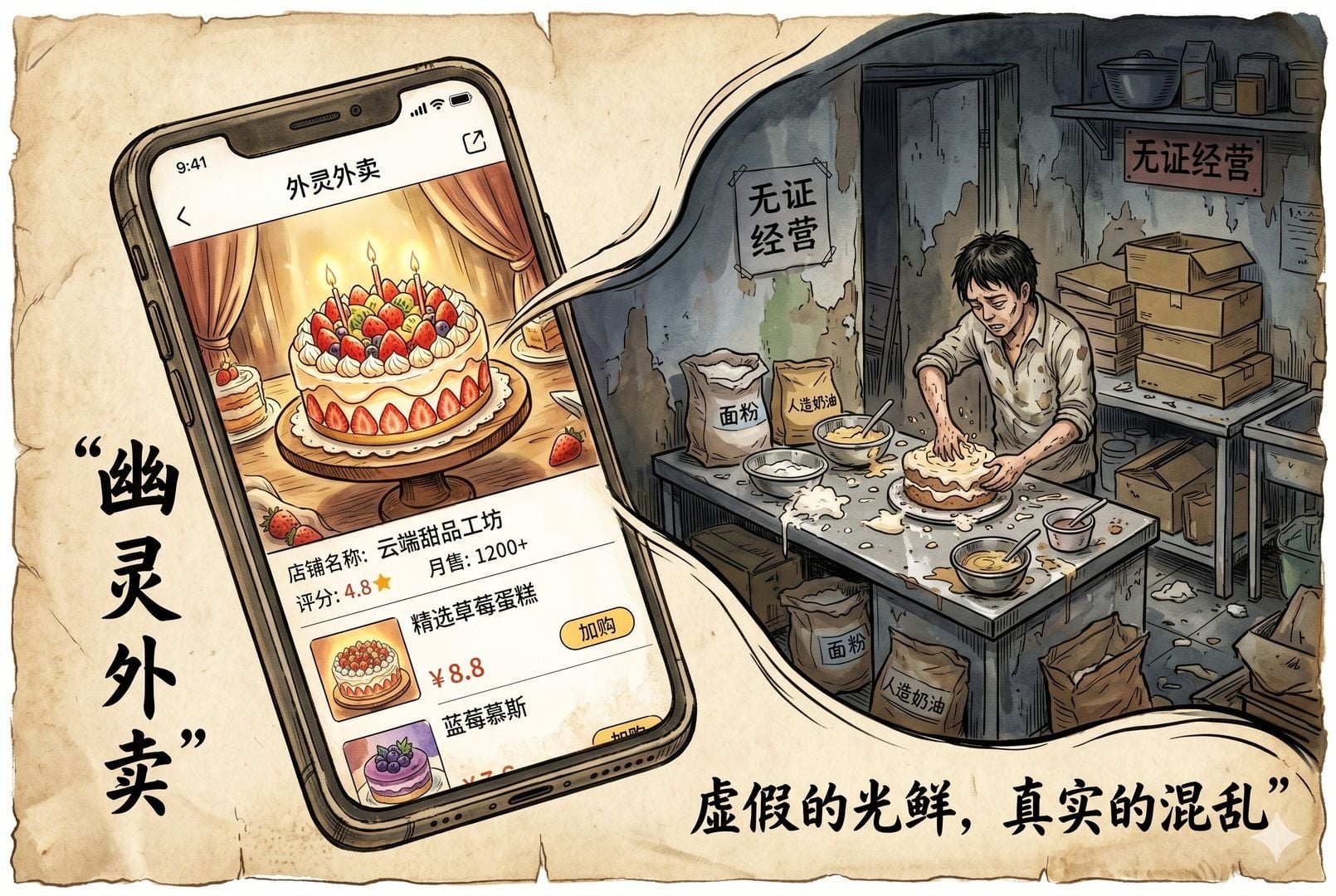
A minor complaint about an unusual birthday cake sparked a nationwide investigation across China, exposing a vast "ghost" online food-delivery network and leading to record penalties and a range of violations that shocked the public. The investigation began with a birthday cake that appeared ordinary but raised concerns about safety materials. The State Administration for Market Regulation reported total fines of 3.597 billion yuan (nearly 14,000 billion dong) against seven leading food-delivery platforms—Pinduoduo, Meituan, JD, Ele.me, Douyin, Taobao, and Tmall—the largest penalties since China revised its Food Safety Law in 2015. Further investigations revealed a systemic operation model called “order transfer,” where customer orders were not fulfilled by the displayed stores but transferred to intermediary platforms such as Zhuandanbao to bid for the job. For example, a 6-inch cake order valued at 252.3 yuan would be auctioned among three stores at 100, 90, and 80 yuan; the lowest bid won. The so-called ghost stores earned about 121.9 yuan, the e-commerce platform charged a 50.4 yuan service fee, while the real production stores netted roughly 76.8 yuan after costs. In reality, ingredient costs for a similar cake were around 60 yuan, forcing production stores to cut quality to maintain profit and creating significant food-safety risks. The investigation expanded far beyond initial expectations, uncovering more than 3.6 million violating orders linked to seven major platforms and over 67,000 “ghost stores” operating nationwide. A counterfeit paperwork chain was revealed as well, with a clear workflow: from collecting personal data to tweaking documents to bypass the system, and providing a “through-review” service at a cost of only tens of yuan. Some platform moderators were found conspiring with intermediaries, and when fake documents were detected, they provided excuses to resubmit until approved. In some cases, individuals registered more than 570 fake stores. Not only was oversight lax, but some platforms were found to have signed data-sharing agreements with order-transfer intermediaries, providing technical interfaces to enable single-click order transfers. This implied the platforms knew or should have known about the violations but failed to intervene. During the investigation, authorities faced obstacles, including delays by some firms claiming system upgrades or sensitive data, and even direct obstruction, such as a platform employee shutting a door and injuring enforcement personnel. After months of data collection and analysis, the task force built a complete evidentiary chain—order transfer flows, registration records, and transactions. On April 17, authorities issued penalties applying the principle of “one penalty per store, one violation counted once,” resulting in a record 3.597 billion yuan. An additional 19.6874 million yuan in fines was applied to the platforms’ legal representatives and food-safety directors. This is the largest penalty since the 2015 amendment to China’s Food Safety Law, sending a strong signal about platform accountability for their on-system activities. Experts noted that this case is a wake-up call for the online food delivery industry; without tighter controls, illegal business models like “ghost delivery” could continue to pose risks to consumers.







Premium gym chains are entering a “golden era” that is ending or already in decline, as rising operating costs collide with shifting consumer preferences toward more flexible, community-based ways to exercise. Long-term memberships are shrinking, margins are pressured by higher rents and facility expenses, and competition from smaller, more personalized…




