•
•
•
•
•
•
•
•
•
•
•
•
•
•
•
•
•
•
•
•
•
•
•
•
•
•
•
•
•
•
•
•
•


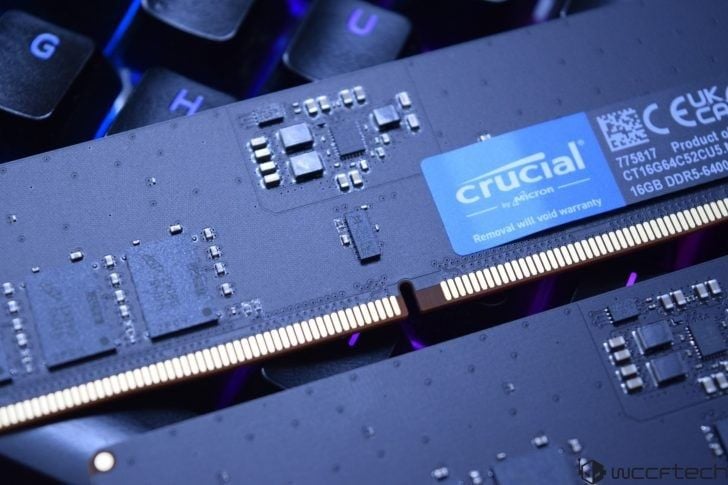
DRAM producers can meet only about 60% of global demand by the end of 2027, despite ongoing capacity expansion, while actual output growth runs at about 7.5%, well below the two-thirds of the required level. According to a Nikkei Asia report, leading DRAM makers in the United States and Korea can only meet roughly 60% of global demand by the end of 2027, despite ongoing capacity expansion. The DRAM memory shortage has become a multi-year issue with no signs of relief. The AI boom, especially autonomous AI systems, has created demand far exceeding current production capacity. The gap is widening, pushing memory prices higher and resulting in tighter retail availability. To cope, major DRAM producers such as Samsung, SK Hynix, Micron, and YMTC (China) are rushing to bring new lines online and build more manufacturing facilities. YMTC and CXMT are implementing three plants each: one operational, two expected to be completed this year, potentially doubling total output for the two firms. DRAM generation old is being retired. Samsung and many others have stopped producing older DRAM generations such as DDR3, DDR4 and LPDDR4, worsening the shortage. Micron has even retired the Crucial brand, shifting fully to High Bandwidth Memory (HBM) and SOCAMM2, with higher margins. The gap is gradually being filled by Chinese manufacturers. Growth pace, however, remains insufficient. To keep up with demand, the DRAM industry needs to grow production by about 12% per year in 2026 and 2027. Counterpoint, however, notes actual growth is only about 7.5%, less than two-thirds of the required level. Counterpoint also warns PC makers will continue to face memory price pressures in the coming years. Previous analyses suggested DRAM prices would not normalize before late 2028, and current trends reinforce that view. End users—from laptop buyers to those upgrading computers—are likely to pay higher prices for several years to come.





Premium gym chains are entering a “golden era” that is ending or already in decline, as rising operating costs collide with shifting consumer preferences toward more flexible, community-based ways to exercise. Long-term memberships are shrinking, margins are pressured by higher rents and facility expenses, and competition from smaller, more personalized…