•
•
•
•
•
•
•
•
•
•
•
•
•
•
•
•
•
•
•
•
•
•
•
•
•
•
•
•
•
•
•
•
•


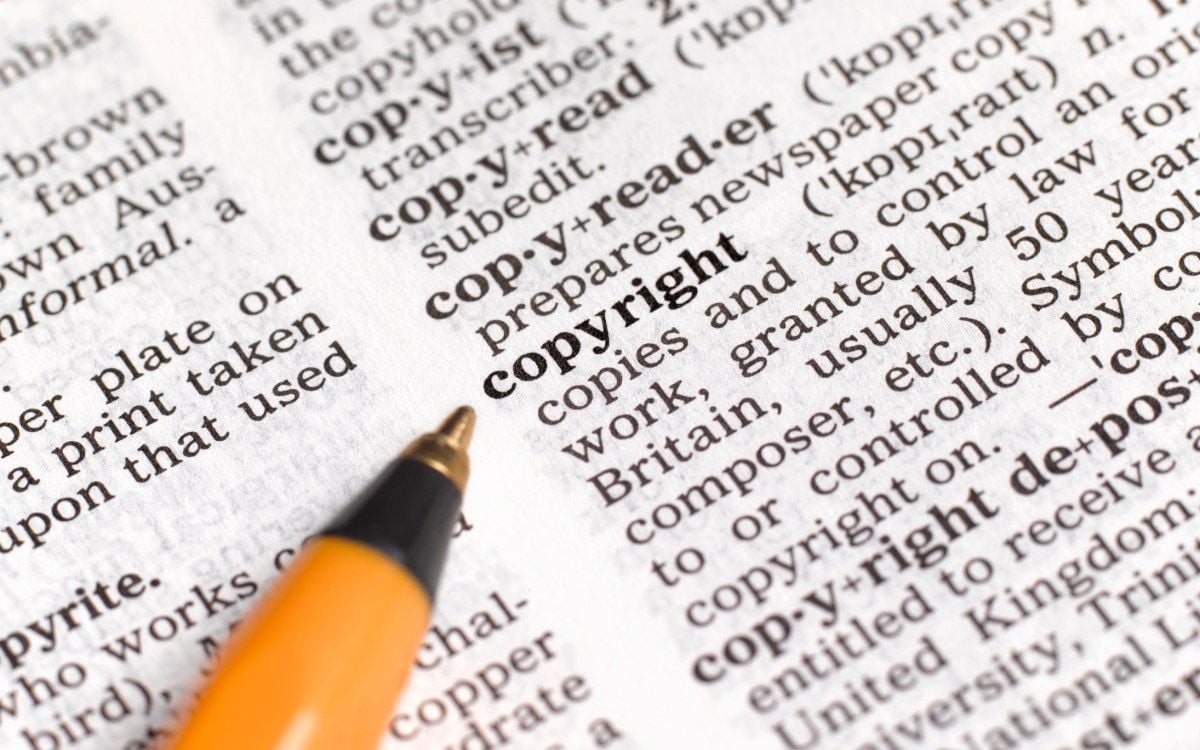
A reputable dictionary and encyclopedia organization has formally filed a lawsuit against OpenAI, accusing the company of large-scale copyright infringement. According to the complaint, Britannica (the parent company of Merriam-Webster) holds rights to nearly 100,000 online articles. The publisher claims OpenAI allegedly scraped and used this enormous data to train large language models (LLMs) without permission. The legal filing also indicates that OpenAI infringed copyright by producing outputs that copied "wholly or partially" Britannica content. This infringement extends to the use of Britannica articles in the Retrieval-Augmented Generation (RAG) process, a tool that helps LLMs scan the web or databases for updated information when answering queries. In addition, OpenAI is accused of violating the Lanham Act (trademark law) when the AI system generated fabricated information but attributed it falsely to Britannica. The filing emphasizes that ChatGPT is eroding the revenue of web publishers, producing responses that could substitute original publisher content. The alleged hallucinations or misinformation are said to threaten the public’s access to high-quality, reliable online information. Britannica’s move adds to a growing list of publishers and authors suing OpenAI over copyright issues. Previously, The New York Times, Ziff Davis (publisher of Mashable, CNET, IGN, PCMag, among others), and more than a dozen major newspapers in the U.S. and Canada — including the Chicago Tribune, Denver Post, Sun Sentinel, Toronto Star, and Canada’s CBC — had taken similar legal steps. Britannica’s suit against OpenAI is also noted as aligned with a separate case against AI company Perplexity that is awaiting resolution. As of now, there is no legal precedent definitively determining whether using copyrighted content to train language models constitutes copyright infringement. In a related but rare instance, Anthropic persuaded federal Judge William Alsup that using copyrighted content for training data can be sufficiently "transformative" to be lawful. However, Alsup did find that Anthropic violated the law by illegally downloading millions of books instead of paying for them, a ruling that led to a class-action settlement worth up to $1.5 billion for affected authors. Read more. The article cites further legal and industry context surrounding the dispute.
Premium gym chains are entering a “golden era” that is ending or already in decline, as rising operating costs collide with shifting consumer preferences toward more flexible, community-based ways to exercise. Long-term memberships are shrinking, margins are pressured by higher rents and facility expenses, and competition from smaller, more personalized…