•
•
•
•
•
•
•
•
•
•
•
•
•
•
•
•
•
•
•
•
•
•
•
•
•
•
•
•
•
•
•
•
•
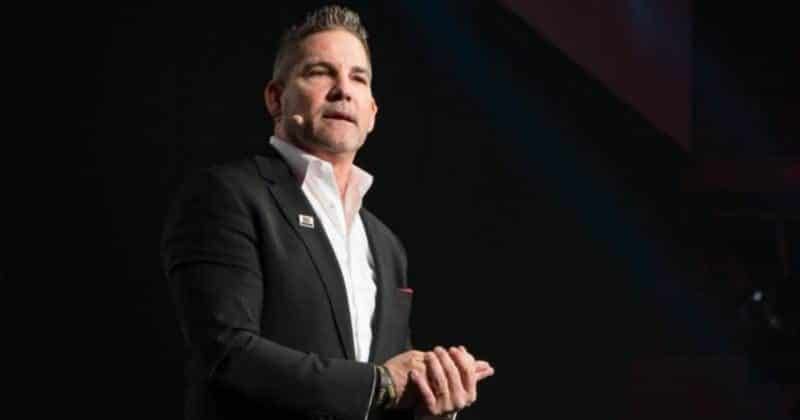
Grant Cardone, who leads Cardone Capital, said on Wednesday that the firm recently structured a $235 million real estate deal alongside a $100 million Bitcoin allocation. The announcement was made during a fireside discussion at Consensus Miami 2026.
Cardone said the firm’s Bitcoin-backed real estate approach could outperform traditional REITs, or Real Estate Investment Trusts. REITs typically own or finance income-producing properties and distribute most of their taxable income to shareholders through dividends.
He argued that traditional REITs are structurally limited because they cannot hold Bitcoin directly on their balance sheets. By combining property cash flow with potential BTC appreciation, Cardone said the model could generate returns in the range of 22% to 32%.
Cardone noted that traditional REITs have historically delivered long-term annualized total returns typically ranging from 8% to 11%, depending on the time window and index used. He said REITs often outperform private real estate and bonds while remaining competitive with the S&P 500.
The latest Bitcoin purchase builds on Cardone Capital’s 2025 acquisition of 1,000 BTC. Cardone said the company’s total exposure is roughly $200 million and that it aims to hold 10,000 BTC by the end of 2026.
Cardone said the structure is also bringing new participants into crypto markets, with approximately 80% of the investors in the fund reportedly having no prior Bitcoin exposure.
Cardone Capital launched in 2016 with the goal of giving everyday investors access to institutional-grade multifamily deals. The firm reportedly has IPO plans for 2026, which would add disclosure requirements and public market scrutiny to a strategy that currently operates as a private fund.
Coinbase has launched a High Yield USDC vault within its in-app DeFi lending offering, adding a second lending option that provides exposure to a wider range of collateral assets. The product is powered by Morpho infrastructure and uses vault allocations curated by Steakhouse Financial.