•
•
•
•
•
•
•
•
•
•
•
•
•
•
•
•
•
•
•
•
•
•
•
•
•
•
•
•
•
•
•
•
•



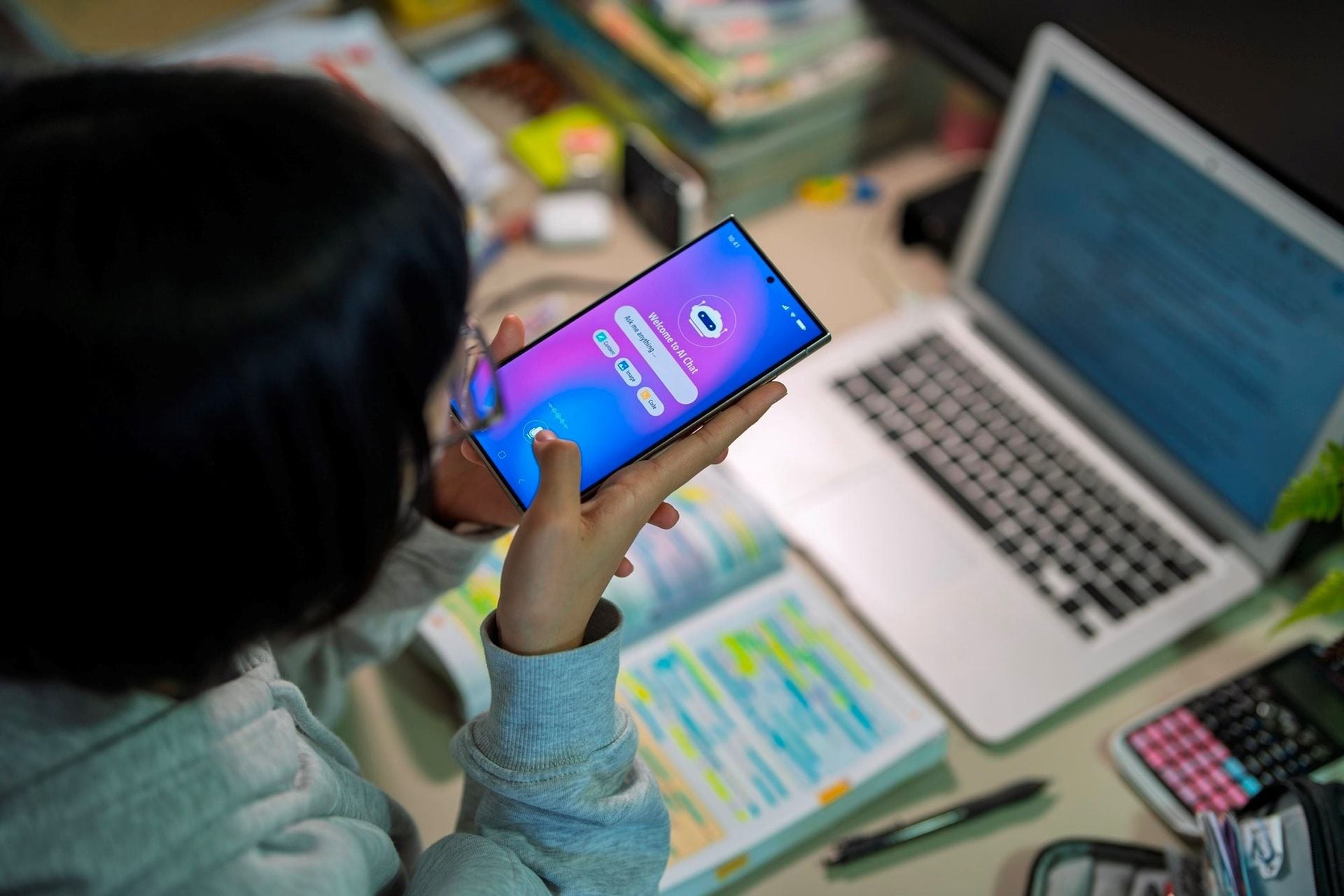
ThinkChina reports that the United States and China are the two leading countries in artificial intelligence (AI) research and development. In 2025, the US government spent up to $471 billion on the field, while China’s figure was $119 billion. Despite lower investment, China has developed the DeepSeek chatbot with cost efficiency and has drawn attention for humanoid robots designed to operate in ways similar to humans.
ThinkChina also points to a labor-force advantage that helps China partially offset gaps in funding and technology. In 2023, China’s IT sector employed more than 5 million people, compared with 2.8 million in the United States. However, while China has abundant talent, lower financial investment can make it harder to attract and retain top professionals. By contrast, the US draws talent through an open innovation environment and very high compensation, though geopolitical tensions and security concerns could make it more difficult for Washington to continue relying on talent of Chinese origin.
In recent years, IT employment in China has grown faster than in other sectors. ThinkChina attributes this to policy shifts toward AI and government efforts to digitize the economy. The supply of graduates in technology fields remains large: in 2022, about 1.6 million graduates in science and engineering accounted for 40% of total graduates.
By comparison, ThinkChina notes that less than 8% of US students chose engineering or computer science, while 38% pursued liberal arts, broad studies, and humanities.
ThinkChina says the US is filling STEM labor gaps with international students. In the 2024/2025 academic year, international students reached a record 1.17 million, with 57% studying STEM. Chinese students made up 23% of all international students in the US, second only to India, and they are concentrated in engineering, mathematics, and computer science at top universities.
The report also cites research workforce data: as many as 38% of leading researchers at US institutions in 2022 were of Chinese origin. ThinkChina further states that 77% of foreign AI researchers choose to stay in the US after earning a PhD, with the share of AI talent remaining in the US after graduation reaching 80%, compared with 11% in China.
ThinkChina links US reliance on foreign labor to Labor Department data. In 2024, foreign-born workers accounted for 27% of total employment in computing and mathematical occupations. Because domestic students are less inclined toward STEM, the report argues the US will continue to rely on foreign talent, though encouraging more domestic students to pursue STEM fields would take time.
ThinkChina concludes that China’s scale of manpower can help narrow the technology gap with the US, but heavy government intervention could constrain private-sector innovation. It notes that Beijing could raise pay to attract international talent, but higher compensation does not guarantee success; for example, China’s semiconductor industry is still unable to compete despite recruiting many Taiwanese experts.
On the US side, ThinkChina highlights that restrictive foreign labor policies under the Trump administration have created disadvantages. It also describes cautious visa issuance for Chinese researchers as a double-edged sword. The US, it says, hopes talent from India, Singapore, Taiwan, and Korea can fill gaps if shortages of Chinese-origin personnel arise.
Overall, ThinkChina argues that maintaining competitiveness in the US AI sector currently depends heavily on hiring foreign experts, underscoring the importance of stronger ties with allied nations. It adds that a sustainable and resilient AI ecosystem requires close international collaboration.
Source: ThinkChina



Premium gym chains are entering a “golden era” that is ending or already in decline, as rising operating costs collide with shifting consumer preferences toward more flexible, community-based ways to exercise. Long-term memberships are shrinking, margins are pressured by higher rents and facility expenses, and competition from smaller, more personalized…




