•
•
•
•
•
•
•
•
•
•
•
•
•
•
•
•
•
•
•
•
•
•
•
•
•
•
•
•
•
•
•
•
•


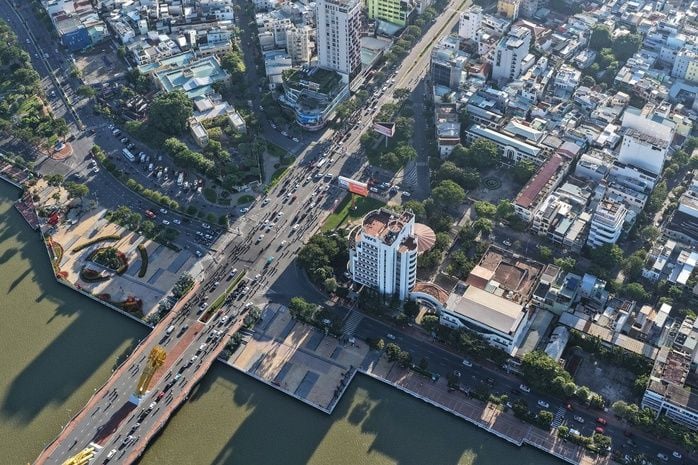
Da Nang has approved THACO’s subsidiary Đại Quang Minh Real Estate JSC to conduct surveys, research, and prepare a pre-feasibility study report or propose an investment policy for a large-scale urban railway project estimated at about 265.0 trillion dong.
On April 23, 2026, the Da Nang People’s Committee approved the policy for Đại Quang Minh Real Estate JSC (a subsidiary of THACO Group) to organize the required work to develop the proposal dossier for the urban railway project. The city requires the enterprise to coordinate closely with relevant departments to build the dossier in line with applicable regulations.
In an earlier meeting with Da Nang leaders on the afternoon of April 20, THACO Chairman Trần Bá Dương said that after completing approval procedures and selecting an investor, construction is expected to begin in February 2027. If the project progresses as planned, Da Nang’s first urban railway could be put into operation by 2032.
The planned urban railway is designed to connect Da Nang Airport with Chu Lai Airport, linking the city center to the southern area.
According to the study plan, Urban Railway Line No. 2 has a total length of more than 103 km, running from the T1 station at Da Nang Airport to Chu Lai Airport.
The project is divided into two phases:
The total estimated investment for the entire line is about 265.972 billion dong.
Under the approval, the Da Nang People’s Committee requires the enterprise to bear all costs and risks if the proposal dossier is not approved by the competent authority. The deadline to complete and submit the dossier is before October 2026.
The Da Nang Department of Construction is assigned as the lead unit to receive and appraise the project dossier.

Premium gym chains are entering a “golden era” that is ending or already in decline, as rising operating costs collide with shifting consumer preferences toward more flexible, community-based ways to exercise. Long-term memberships are shrinking, margins are pressured by higher rents and facility expenses, and competition from smaller, more personalized…