•
•
•
•
•
•
•
•
•
•
•
•
•
•
•
•
•
•
•
•
•
•
•
•
•
•
•
•
•
•
•
•
•


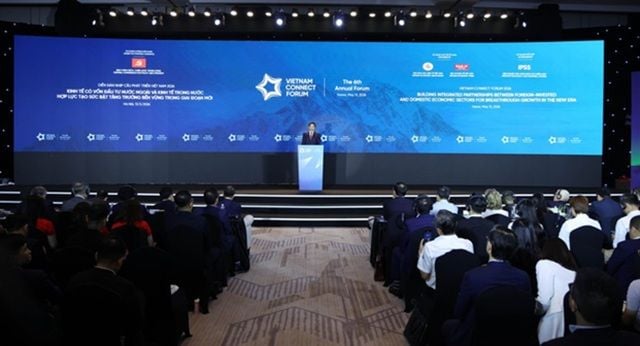
Speaking at the Vietnam Development Forum 2026 on May 13, Deputy Prime Minister Nguyen Van Thang said new-generation foreign direct investment (FDI) should not only come to Vietnam to produce or access markets, but also work with Vietnam to create new value, new capabilities, and a stronger position in global value chains.
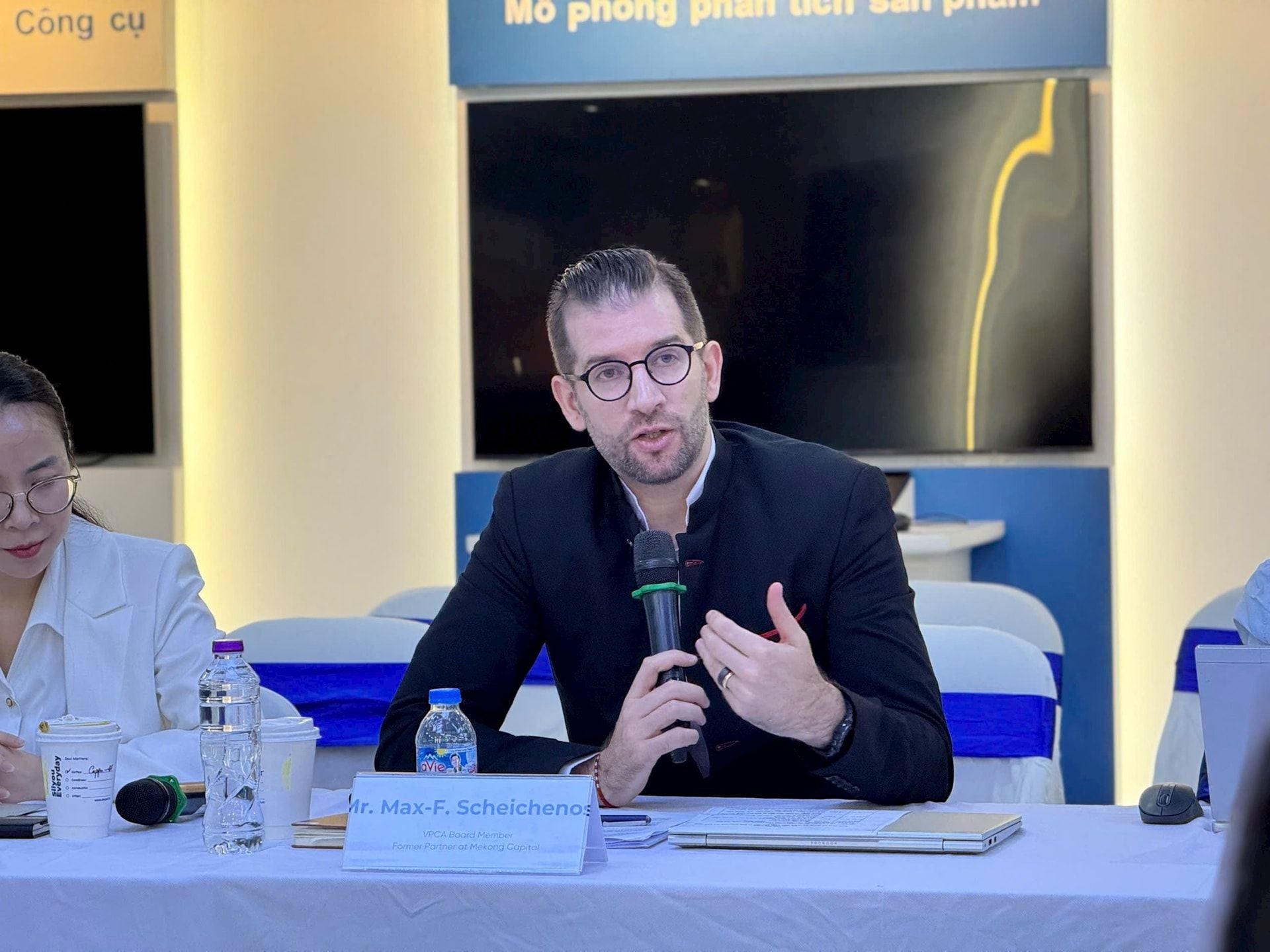
The Vietnam Development Forum 2026, the sixth edition of the event, is themed “Foreign direct investment and the domestic private economy: Synergy to unleash sustainable growth in the new phase.” More than 300 leaders from investment promotion associations, foreign-invested groups, domestic corporations, and economists attended.
Delegates discussed two main issues: assessing opportunities and Vietnam’s ability to attract new-generation foreign capital, particularly in sectors Vietnam prioritizes; and identifying measures to maximize the efficiency and spillover of the foreign-invested sector into the domestic economy, including commitments on technology transfer, higher localization, and greater participation by Vietnamese firms in global value chains.
The Deputy Prime Minister said the theme is particularly relevant as Vietnam enters a new development stage requiring higher-quality, more sustainable growth and greater resilience to regional and global shocks.
He noted that the world is undergoing deep transformation, with intensifying strategic competition and major shifts in supply chains and technology trends, including green transformation, digital transformation, AI development, semiconductors, and data and strategic technologies. Against this backdrop, competition for international investment has changed: investors now place greater weight on institutional quality, policy stability, infrastructure, high-quality human resources, green energy, data infrastructure, innovation capacity, and the reliability of the investment environment.
For Vietnam, this is both a challenge and an opportunity to redefine its role in regional and global value chains and to renew growth drivers based on science and technology, innovation, digital transformation, green transformation, and private-sector development.
The Deputy Prime Minister described the FDI sector as a key bright spot in Vietnam’s economy. Vietnam has more than 46,500 active FDI projects with total registered capital of over USD 543 billion, while actual disbursement is about USD 357.6 billion. The FDI sector accounts for over 20% of GDP and around 70% of export turnover, and provides employment to millions of workers. He also said Vietnam continues to rank among the top FDI attractors in ASEAN as global FDI flows shrink in many regions.
While acknowledging achievements, the Deputy Prime Minister said the quality and effectiveness of linkages between the FDI sector and the domestic economy have not met expectations. He cited that many Vietnamese firms still operate in low value-added segments, localization rates in some industries remain limited, and domestic firms’ capacity to absorb knowledge and meet global supply-chain demands has lagged.
He said Vietnam therefore needs higher-quality cooperation, diffusion, and synergy between the foreign-invested and domestic sectors in the new phase.
The Deputy Prime Minister emphasized that Vietnam should shift from broad FDI attraction to selective, high-quality, effective, and sustainable investment. He said the evaluation of FDI should focus not only on capital inflows, but also on technology brought into Vietnam, added value created, training of Vietnamese workers, connections formed between Vietnamese firms and supply chains, and contributions to green transformation, digital transformation, and strengthening domestic capacity.
“The new-generation FDI should not only come to Vietnam to produce or to exploit markets, but must work with Vietnam to create new value, new capabilities, and a new position in the global value chain,” he said.
The government will continue to perfect the institutional framework and significantly improve the investment and business environment. Measures include cutting real administrative procedures, easing investment conditions, empowering decentralization while strengthening oversight, promoting comprehensive digitization, and implementing an effective one-stop mechanism to improve transparency, stability, and policy predictability.
Vietnam will reform foreign investment attraction to be selective, focusing on quality, technology, innovation, value-added, efficient land use, environmental protection, and linkages with domestic firms. Priority areas include semiconductors, electronics, artificial intelligence, data, biotechnology, pharmaceuticals, clean energy, new materials, modern logistics, financial services, innovation, and strategic technologies.
The Deputy Prime Minister said developing domestic enterprises and supporting industries is a strategic, long-term task. The state will continue policies to support firms in improving management capacity, quality standards, technology innovation, digital transformation, access to credit, and connections with multinational groups. The goal is to build a Vietnamese supplier base capable of becoming first- and second-tier suppliers in regional and global value chains.
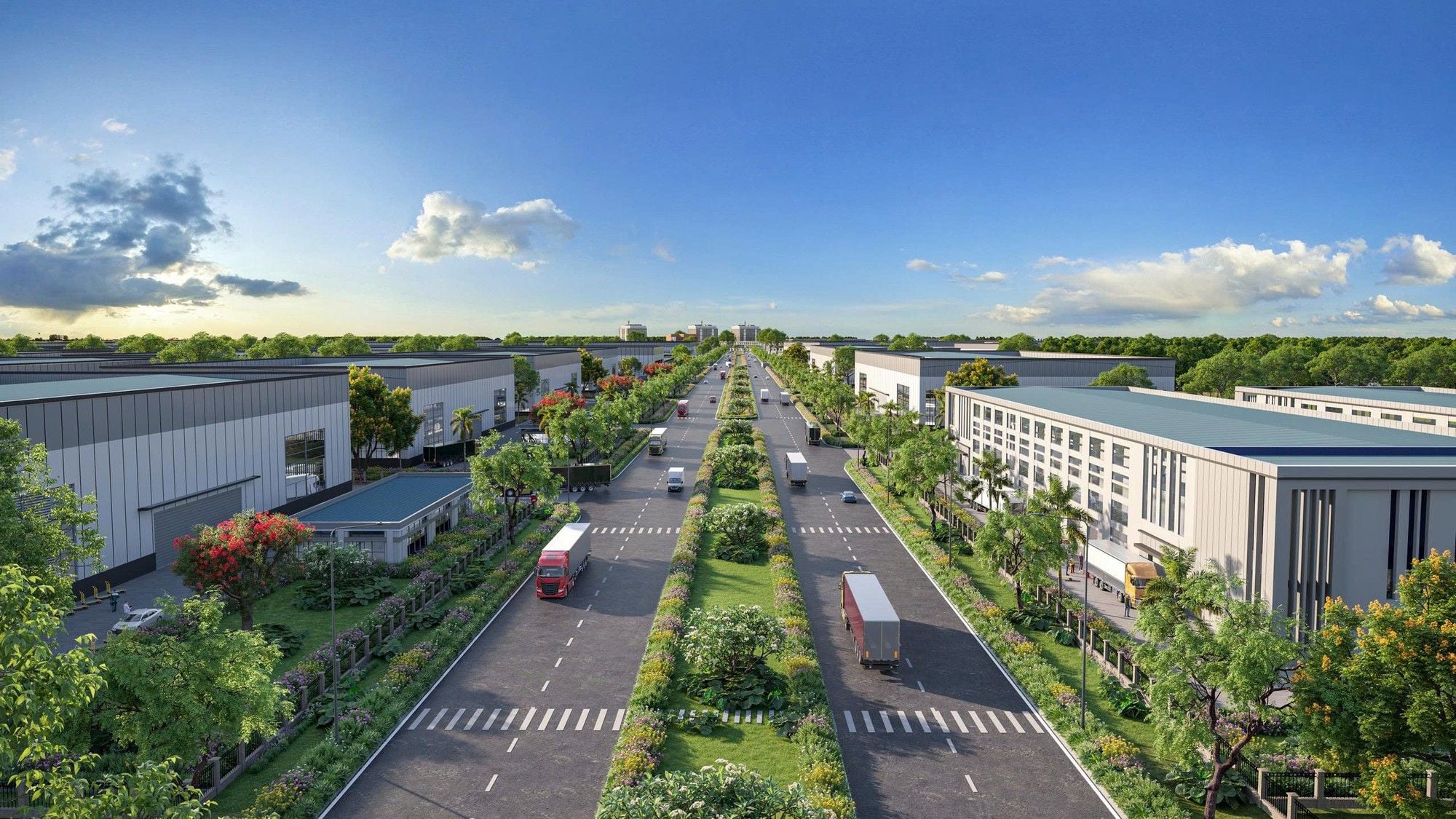
Vietnam will focus on strategic infrastructure and workforce development to support new-generation FDI. The government is implementing strategic transportation and logistics infrastructure, energy and data infrastructure, next-generation industrial parks, and strengthening coordination among the state, schools, and investors to train workers for high-tech sectors and strategic technologies.
Vietnam will strengthen the effectiveness of state management of FDI to balance the interests of the state, investors, and people. The Deputy Prime Minister said Vietnam will maintain independence, economic security, and sustainable development.
He added that Vietnam will create favorable conditions for investors to operate legally, effectively, and long-term, while firmly handling issues including transfer pricing, trade fraud, environmental violations, use of outdated technology, and intellectual property violations.
The Deputy Prime Minister said Vietnam is entering a new development phase with the aspiration to become a high-income country by 2045, requiring a new growth model based on innovation, technology, high-quality human resources, and synergy with the private sector. He called on the business community and foreign investors to continue accompanying Vietnam long-term, not only as an investment destination but as a strategic development partner in global value chains, while urging Vietnamese enterprises to upgrade governance and technology capabilities to participate more deeply in international production networks and supply chains.

Premium gym chains are entering a “golden era” that is ending or already in decline, as rising operating costs collide with shifting consumer preferences toward more flexible, community-based ways to exercise. Long-term memberships are shrinking, margins are pressured by higher rents and facility expenses, and competition from smaller, more personalized…