•
•
•
•
•
•
•
•
•
•
•
•
•
•
•
•
•
•
•
•
•
•
•
•
•
•
•
•
•
•
•
•
•
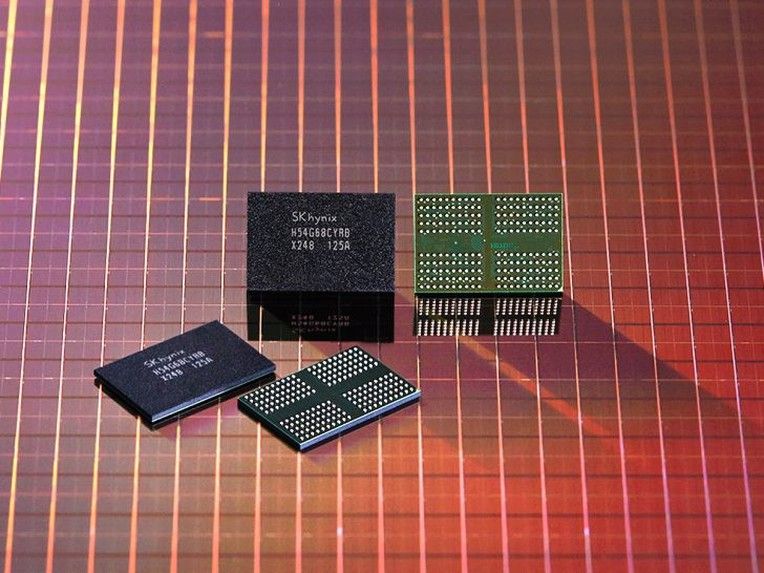
Semiconductor analytics firm SemiAnalysis says memory costs are taking an increasing share of the data-center infrastructure budgets of the world’s largest technology companies, or hyperscalers, including Google, Microsoft, Meta and Amazon. In 2023-2024, memory accounted for about 8% of these budgets. SemiAnalysis projects the share will rise to 30% by 2026 and continue increasing into 2027, describing the move as a “shock” increase—nearly four times in four years.
SemiAnalysis attributes the shift primarily to DRAM demand. DRAM—random-access memory used across compute systems—is increasingly central to hyperscaler infrastructure. The companies are moving toward rack-scale designs that pool many memory modules into a larger shared pool connected via the CXL standard.
At the same time, DDR5 and LPDDR5, the latest DRAM generations, are widely deployed for AI servers and for chips developed by these major technology firms. SemiAnalysis says this has pulled DRAM supply largely toward AI infrastructure, contributing to shortages in other markets.
While the broader industry faces DRAM shortages, SemiAnalysis reports that NVIDIA is “largely insulated.” The firm says memory suppliers treat NVIDIA as a VIP customer—shorthand for “Very Very Preferred,” meaning the highest priority in the supply chain. SemiAnalysis says this status helps ensure NVIDIA is prioritized in both production capacity and pricing even when the market is tight.
SemiAnalysis links NVIDIA’s position to actions taken early in the demand cycle. CEO Jensen Huang has said NVIDIA anticipated demand ahead of most participants and signed long-term supply contracts very early. As demand surged and DRAM became scarce, NVIDIA secured supply while rivals increasingly relied on spot purchases—market prices at the time of purchase, which are typically much higher than long-term contract rates.
SemiAnalysis also argues that NVIDIA’s advantage extends beyond DRAM. The company maintains special relationships across the semiconductor and advanced packaging ecosystem and other infrastructure partners. In SemiAnalysis’ view, competing with NVIDIA requires more than improved chip design; it requires an entire network of supply-chain relationships that NVIDIA has built over time.

Premium gym chains are entering a “golden era” that is ending or already in decline, as rising operating costs collide with shifting consumer preferences toward more flexible, community-based ways to exercise. Long-term memberships are shrinking, margins are pressured by higher rents and facility expenses, and competition from smaller, more personalized…