•
•
•
•
•
•
•
•
•
•
•
•
•
•
•
•
•
•
•
•
•
•
•
•
•
•
•
•
•
•
•
•
•


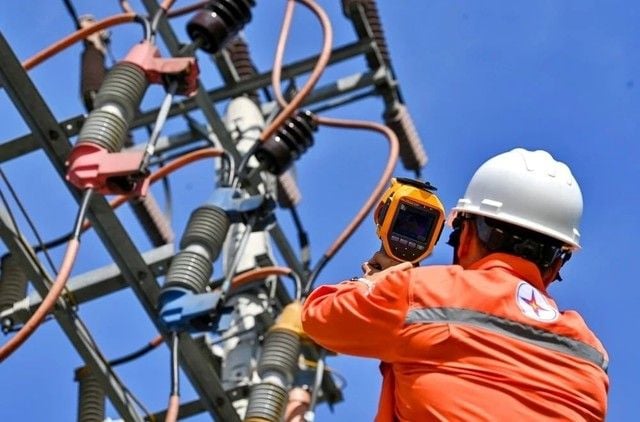
Vietnam’s draft law on amendments proposes a mechanism to address electricity production and business costs that have not been fully reimbursed. Under the draft’s Transitional Provisions (Article 3), reasonable and valid costs incurred for producing and delivering electricity that were not fully compensated in the average retail electricity price before the law takes effect would be allocated and calculated in subsequent adjustments to the average retail price.
The draft law states that retail electricity prices would be reflected and adjusted promptly in line with actual input parameters to cover reasonable and valid costs and ensure reasonable profits. This approach would allow Vietnam Electricity Group (EVN) to address accumulated losses—estimated at about 44.8 trillion dong—through a gradual allocation into retail electricity prices in upcoming adjustment periods. The mechanism would be based on publicly disclosed input costs that form the electricity price.
As a result, future electricity prices may need to include input costs arising from several years prior.
Compared with an earlier approach referenced by the Ministry of Industry and Trade in draft amendments to Decree 72/2025, the Electricity Law draft would require retailers to fully disclose all cost components that form electricity prices, including generation, transmission, distribution, and retail costs.
If enacted, the scope of costs added to the price could extend beyond 2022–2023, depending on the review of costs that were not fully accounted for earlier.
According to the Ministry of Industry and Trade, during 2022–2023 many input costs rose sharply but were not fully reflected in electricity prices, leading EVN’s business to incur heavy losses.
In 2022, electricity prices were kept stable to support economic recovery after the COVID-19 pandemic, despite increases in coal, gas, and fuel prices linked to the Russia–Ukraine conflict. In 2023, electricity prices were adjusted, but the increase remained far below actual costs. The stated aim was to control inflation and maintain social welfare, which limited EVN’s ability to recover the costs it had incurred.
The draft law’s pricing adjustment mechanism is designed to spread unreimbursed costs into future retail price calculations, potentially affecting electricity prices by incorporating input costs from earlier years, subject to the disclosed and reviewed cost components.
Premium gym chains are entering a “golden era” that is ending or already in decline, as rising operating costs collide with shifting consumer preferences toward more flexible, community-based ways to exercise. Long-term memberships are shrinking, margins are pressured by higher rents and facility expenses, and competition from smaller, more personalized…