•
•
•
•
•
•
•
•
•
•
•
•
•
•
•
•
•
•
•
•
•
•
•
•
•
•
•
•
•
•
•
•
•


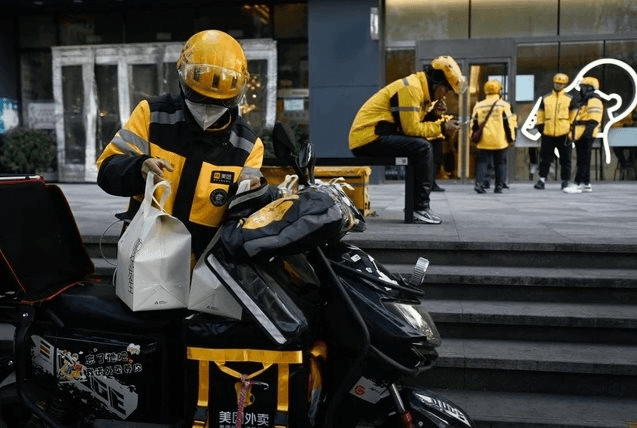
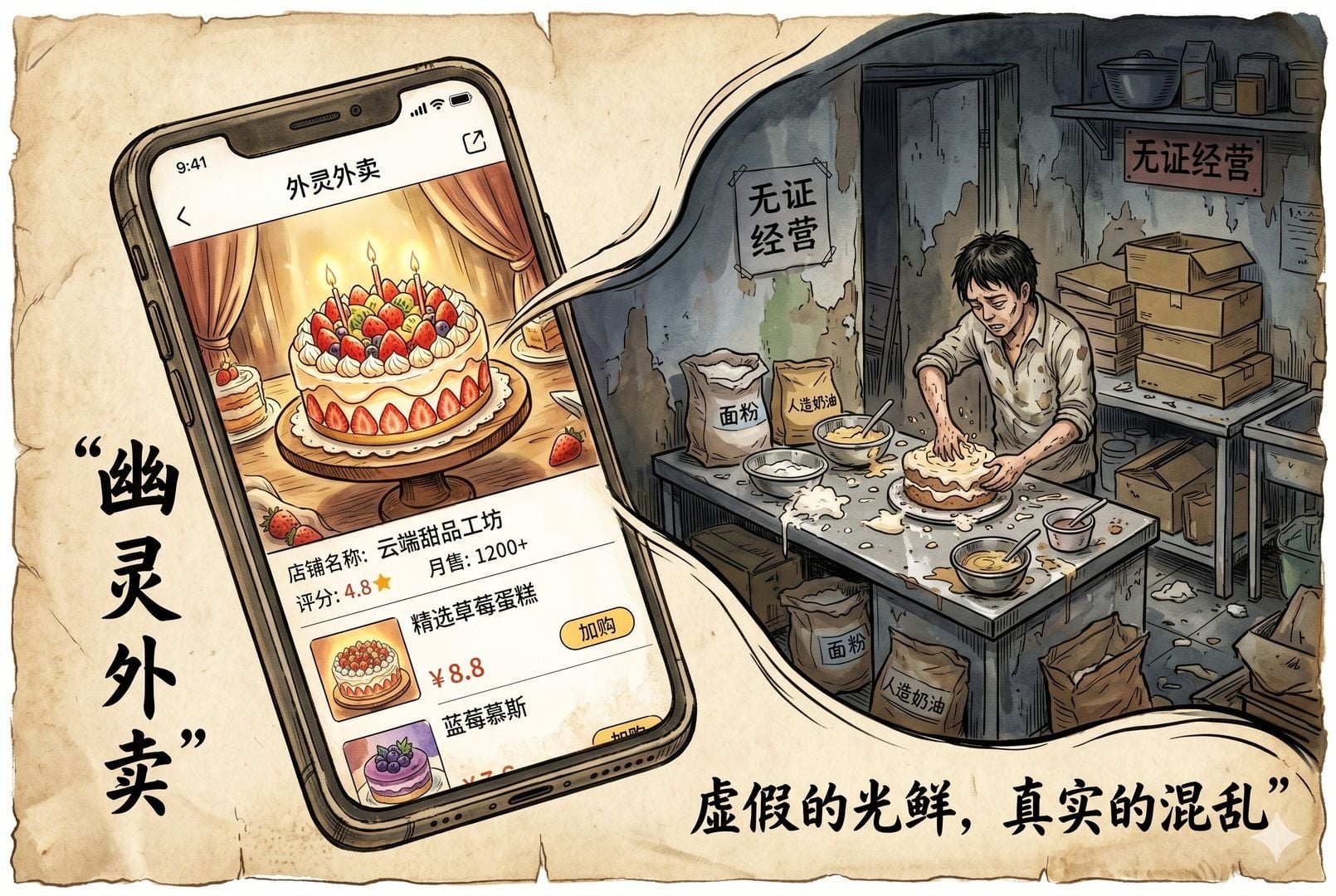
Early this week in China, a complaint about a poorly made birthday cake ordered through a meal-delivery app triggered a nationwide investigation. Authorities traced the issue from a single order to a much larger pattern, uncovering “ghost stores” that operate only on delivery platforms—taking payments and accepting orders without having any kitchen or production staff.
In the app, consumers typically see a store listing with branding, images, and ratings. When an order is placed, the store shown on the platform receives it as usual. Instead of producing the item, the store forwards the order to an intermediary platform where multiple suppliers compete to fulfill it.
The competition is structured like a reverse auction: the lowest bid wins. As bids fall, the winning price can drop step by step until it reaches a level that often undermines product quality.
A case described in the reporting illustrates the mechanism. A customer paid 252 yuan for a birthday cake. After the order was forwarded, the price was “sold again” to other suppliers, falling to 100 yuan, then 90 yuan, and then 80 yuan. The supplier that agreed to bake it for 80 yuan won the contract.
While the difference of roughly 170 yuan does not disappear, it is redistributed in a way the article characterizes as unacceptable. The initial order store—identified as a “ghost store”—can keep nearly half of the money without producing anything. The delivery platform takes about 20% as a service fee, and less than 30% goes to the actual baker.
Regulators said the issue is not limited to isolated incidents. According to China’s Market Regulation authorities, more than 67,000 “ghost stores” were uncovered operating under similar models. Together, they sold over 3.6 million products through seven major food-delivery apps.
A Chinese official described the practice as an “industry-standard fraud model.”
The article links the growth of the model to intense price competition in the food-delivery sector. When platforms compete using promotions, discounts, and subsidies, pressure is pushed down the supply chain. As prices fall, profit margins shrink, and the system incentivizes eliminating production rather than improving efficiency.
In this environment, a new intermediary layer emerges—one that does not produce goods but instead receives orders and shifts risk to others.
In the short term, consumers may be attracted by low prices. Over time, the article says the losses fall most heavily on customers through poorer product quality, higher food-safety risks, and eroding trust in the system.
Producers face their own pressure. When forced into the lowest-price competition, they may have to cut costs, accept razor-thin margins, or exit the market.
The model also blurs accountability. Consumers believe they are dealing with a specific store, but the product may be produced by a third party they do not know. When problems occur, responsibility becomes difficult to determine: the order-taking store can claim it is only an intermediary, the actual producer has no direct relationship with the customer, and the delivery platform sits in the middle without bearing ultimate responsibility for quality.
The birthday cake is presented as only the starting point. The investigation highlights how a large delivery industry can operate on a “cold logic,” where those offering the deepest discounts win the right to fulfill orders, while entities that do not produce goods can capture the largest share of value.





Premium gym chains are entering a “golden era” that is ending or already in decline, as rising operating costs collide with shifting consumer preferences toward more flexible, community-based ways to exercise. Long-term memberships are shrinking, margins are pressured by higher rents and facility expenses, and competition from smaller, more personalized…