•
•
•
•
•
•
•
•
•
•
•
•
•
•
•
•
•
•
•
•
•
•
•
•
•
•
•
•
•
•
•
•
•


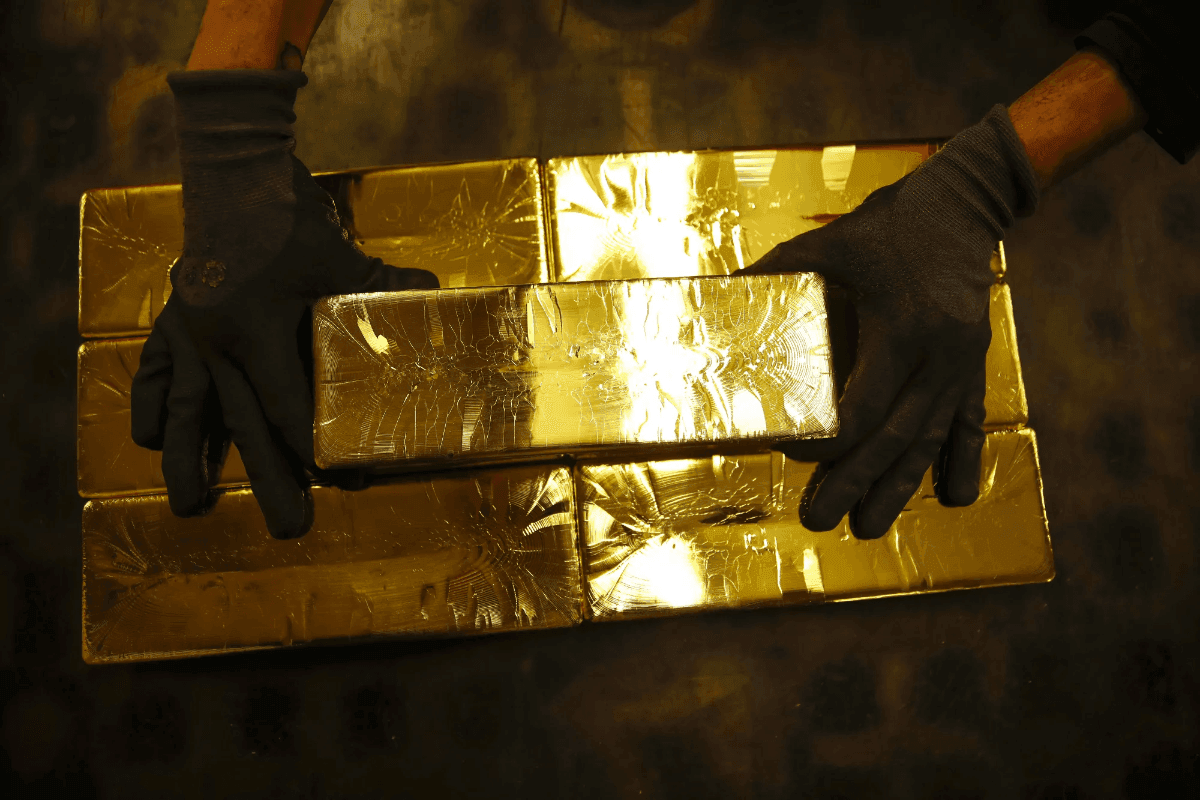
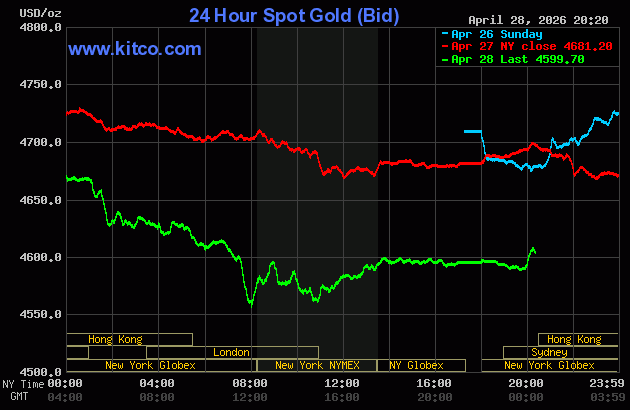
Gold prices fell sharply in Tuesday’s trading session on April 28, slipping below $4,600 per ounce as tensions in the Middle East persisted. The move came alongside higher crude oil prices and expectations that major central banks would keep interest rates higher for longer.
The SPDR Gold Trust, the world’s largest gold ETF, recorded another session of meaningful net selling.
At the close, spot gold in New York traded at $4,596.9 per ounce, down $86.3 per ounce from the previous session’s close, a decline of 1.84%, according to data from Kitco.
Spot silver was $73.22 per ounce, down $2.42 (about 3.2%).
On the COMEX futures market, gold futures fell 1.8%, settling at $4,608.4 per ounce.
During the session, spot gold briefly traded near $4,550 per ounce, the lowest level since the start of April.
Despite the ongoing US-Iran conflict, gold and other precious metals did not act as safe-haven assets. Instead, gold faced downward pressure as crude oil rose, increasing inflationary pressures globally and raising the possibility that major central banks keep rates high for longer or even raise rates to combat inflation.
Oil prices rose by about 3% after a US official told Reuters that President Donald Trump was dissatisfied with Iran’s proposal to reopen the Hormuz Strait. This reduced hopes for a peaceful settlement that could end the conflict and reopen the vital sea lane for global energy transport.
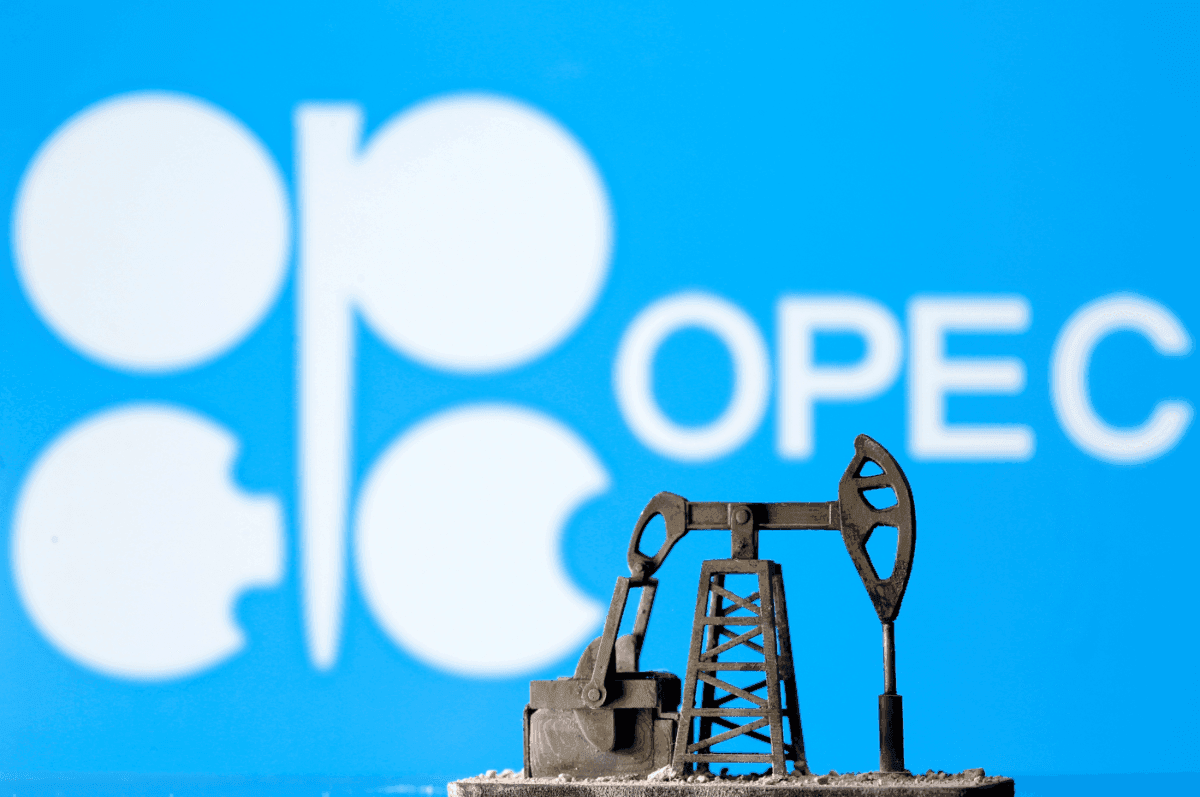
Oil also rose on reports that the United Arab Emirates (UAE) pulled out of OPEC.
The Federal Reserve’s monetary policy meeting began on Tuesday and will conclude on Wednesday afternoon U.S. time with a rate statement and a press conference by Fed Chair Jerome Powell. Powell’s last meeting as Fed chair will be this one, as his term ends in mid-May.
Analysts expect the Fed to hold rates steady and to adopt a wait-and-see signal until the impact of the Middle East conflict on prices and US growth becomes clearer.
Concerns about the Middle East peace process have resurfaced. The Trump administration rejected Iran’s latest proposal, leaving the Hormuz Strait shut. This is expected to keep oil prices elevated and sustain inflation concerns ahead of the Fed meeting, which contributed to gold falling to its lowest level in four weeks, said Peter Grant, a strategist at Zaner Metals, in a Reuters interview.
The US dollar and US Treasury yields rose during the session, reflecting expectations that the Fed will keep rates higher for longer.


Premium gym chains are entering a “golden era” that is ending or already in decline, as rising operating costs collide with shifting consumer preferences toward more flexible, community-based ways to exercise. Long-term memberships are shrinking, margins are pressured by higher rents and facility expenses, and competition from smaller, more personalized…




