•
•
•
•
•
•
•
•
•
•
•
•
•
•
•
•
•
•
•
•
•
•
•
•
•
•
•
•
•
•
•
•
•


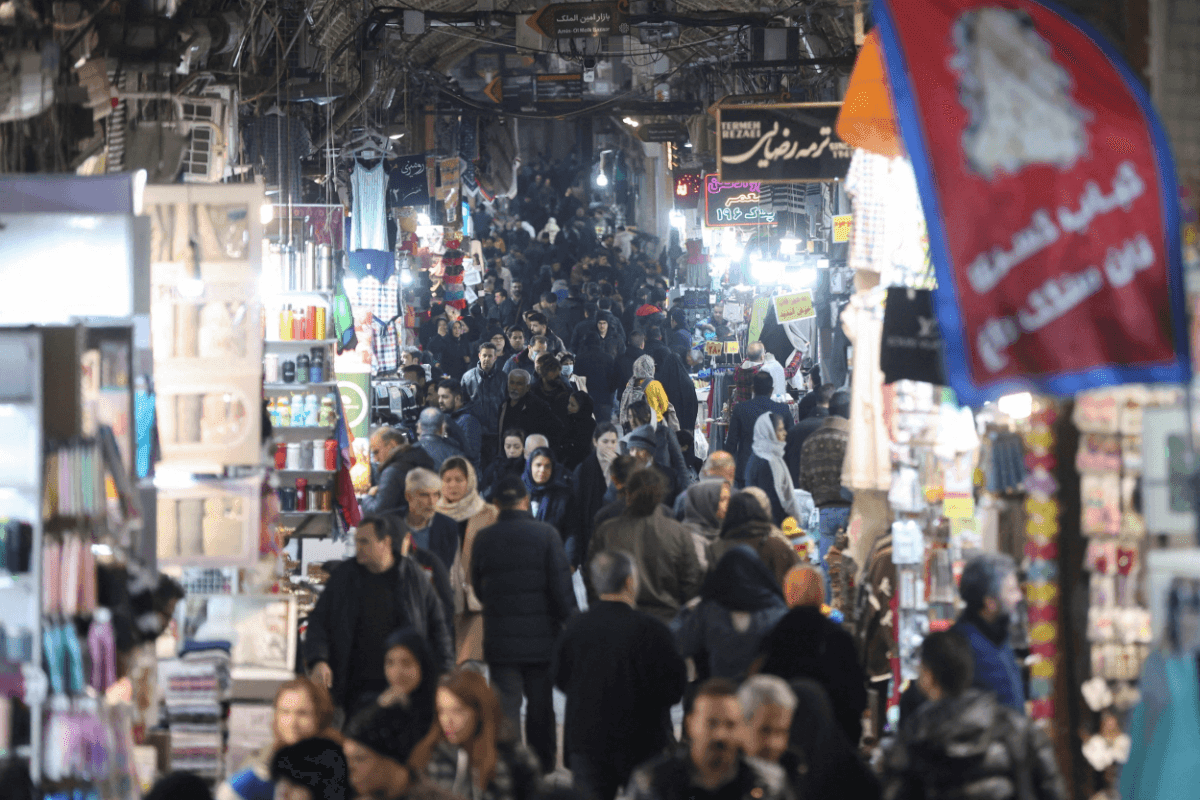
Since February 2025, the U.S. Treasury's Office of Foreign Assets Control (OFAC) has sanctioned about 1,000 individuals, companies, ships, and aircraft tied to Iran, as part of Washington's maximum-pressure campaign to disrupt Tehran's underground banking network, money-laundering, and sanctions-evasion activities. The sanctions announced on April 28 targeted individuals and firms that helped Iran's Islamic Revolutionary Guard Corps (IRGC) access the international financial system. Washington says the network facilitates Iran's proceeds from illegal oil sales, procurement of sensitive components used in missiles and other weapons systems, and transfers to Iran-backed armed groups in the region. The sanctioned entities are believed to have facilitated transfers totaling tens of billions of dollars, helping Tehran dodge sanctions and finance designated groups. Treasury Secretary Scott Bessent said the underground banking system provides essential financial support to Iran's armed forces, sustaining disruptions to global trade and heightening tensions in the Middle East. He warned that any entity that assists or trades with these networks could face serious consequences. OFAC notes that Iranian banks, cut off from Western financial systems, rely on private rahbar companies to manage thousands of offshore front companies to process payments for Iran's import-export activities, coordinating with other firms to support payments for sanctioned entities. The list includes Farab Soroush Afagh Qeshm Company and two senior executives who allegedly worked with Shahr Bank to support Tehran's oil sales. OFAC also added rahbar firms believed to be linked to Bank Sina and Bank Sepah, banks associated with Iran's military and previously funding its missile program. OFAC also added Nix Energy and Tai Lung Trading, said to have handled millions of dollars on behalf of sanctioned Iranians. The agency warned it could sanction Chinese independent refineries (the so-called 'teapot' plants) that trade with Iran, primarily located in Shandong, which are believed to play a major role in Iran-related import and refining activities. OFAC believes some Chinese independent refineries used the U.S. financial system to settle USD payments and purchase U.S. goods, and that they paid fees to Iran to move goods through the Hormuz Strait. The sanctions will freeze assets of designated individuals and entities in the United States, and U.S. citizens and entities are prohibited from transacting with them. These measures have made large Chinese independent oil refineries cautious when buying Iranian oil, according to 2025 data from analytics firm Kpler, which shows China accounts for more than 80% of Iran's offshore oil exports.
Premium gym chains are entering a “golden era” that is ending or already in decline, as rising operating costs collide with shifting consumer preferences toward more flexible, community-based ways to exercise. Long-term memberships are shrinking, margins are pressured by higher rents and facility expenses, and competition from smaller, more personalized…