•
•
•
•
•
•
•
•
•
•
•
•
•
•
•
•
•
•
•
•
•
•
•
•
•
•
•
•
•
•
•
•
•



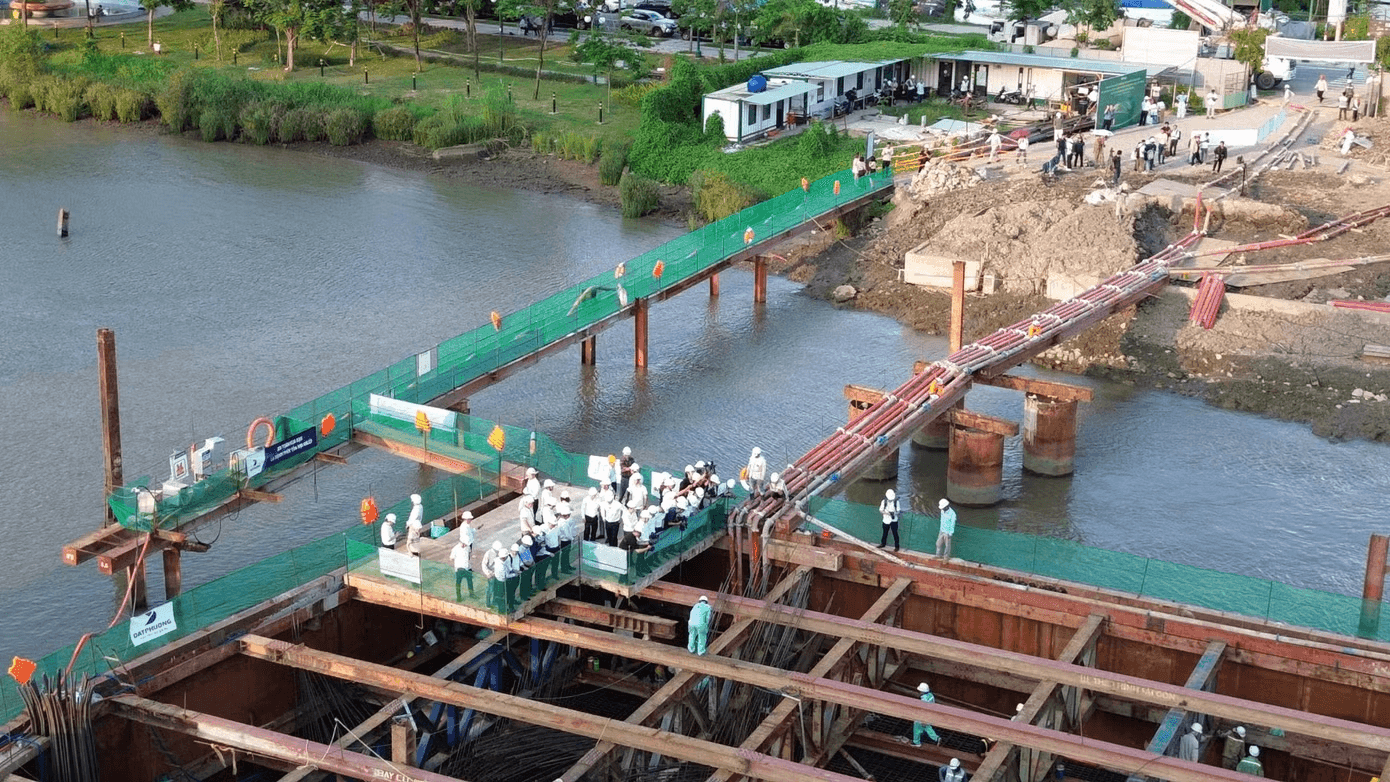
On May 11, the Ho Chi Minh City People’s Committee (HCMC) sent a letter to relevant agencies proposing a study of a project to invest in renovating the city’s traffic infrastructure in the Hang Xanh – Bình Triệu area under a public-private partnership (PPP) model.
HCMC endorsed the proposal from the Finance Department and the opinions of relevant departments and units on awarding the study and project-preparation task to the Investor Consortium comprising Ho Chi Minh City Infrastructure Investment Joint Stock Company; CII PPP Partners Co., Ltd; and IMIC Infrastructure Construction Joint Stock Company.
The Hang Xanh – Bình Triệu corridor, from the Hang Xanh intersection to Bình Triệu Bridge, is described as frequently congested.
The Finance Department is responsible for ensuring the accuracy and legal basis of the dossier submitted for approval under current regulations.
HCMC also clarified that placing the investor consortium in charge of researching and drafting the project proposal does not constitute appointing the investor as the selected firm to implement the project. After the project receives approval for investment policy by the competent authority, the project will be announced and the investor bidding will be organized in accordance with applicable laws.
The investor consortium is responsible for arranging and securing all funding to conduct the study and prepare the pre-feasibility report, and no HCMC state budget will be used.
The time to complete the pre-feasibility study dossier for submission to the competent authority is three months.
If the consortium fails to complete the dossier within three months or if the project proposal is not approved by the competent authority, the consortium bears all risks and all costs incurred.
HCMC assigns the Department of Construction and the Project Management Board for Transportation Infrastructure to actively coordinate with the proposing investor consortium and related consulting units. Their tasks include agreeing on the handover of studied documents and fulfilling any financial obligations arising, ensuring that no state budget is used to pay consulting costs.

Premium gym chains are entering a “golden era” that is ending or already in decline, as rising operating costs collide with shifting consumer preferences toward more flexible, community-based ways to exercise. Long-term memberships are shrinking, margins are pressured by higher rents and facility expenses, and competition from smaller, more personalized…