•
•
•
•
•
•
•
•
•
•
•
•
•
•
•
•
•
•
•
•
•
•
•
•
•
•
•
•
•
•
•
•
•


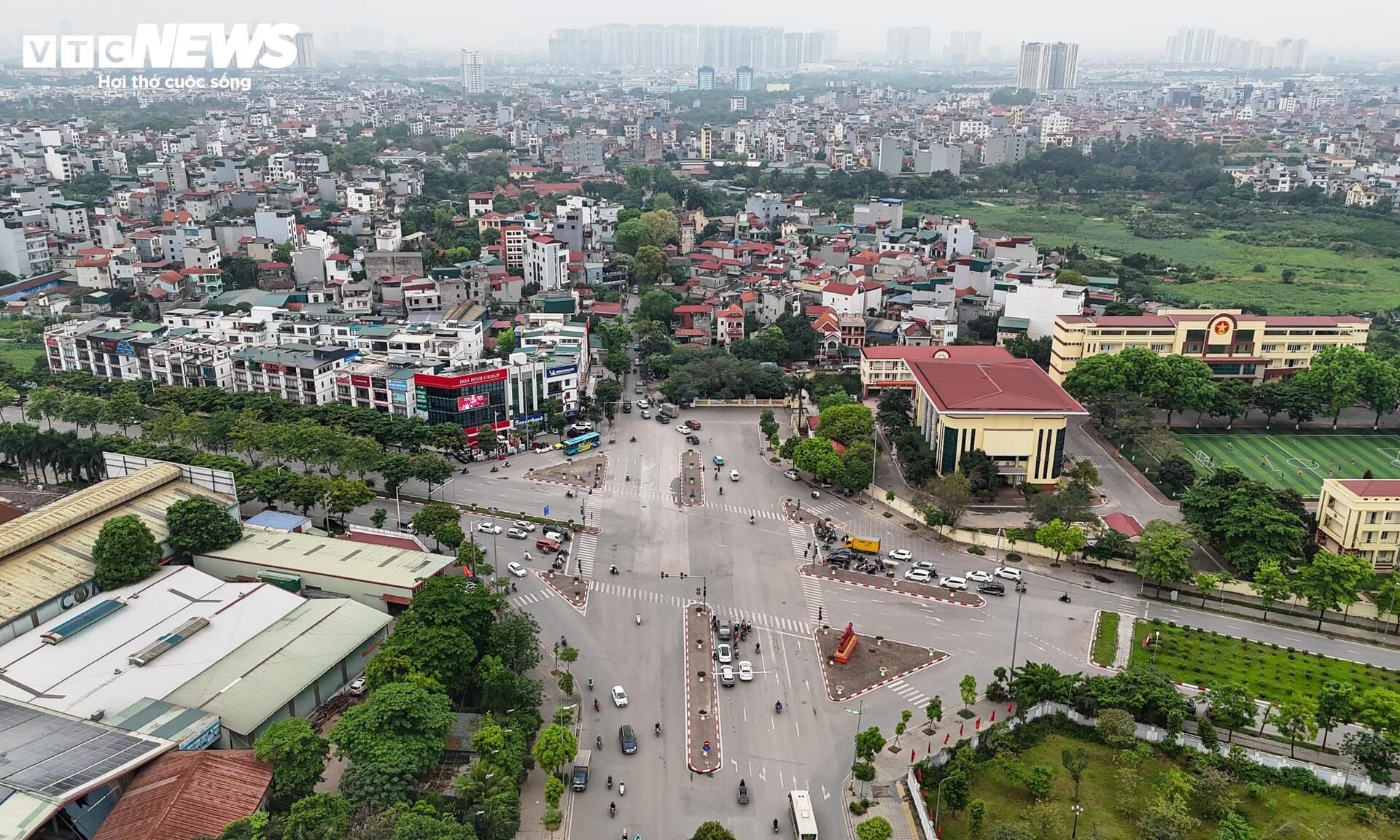
The nearly 5km expansion of Route 70, from Trịnh Văn Bô to the Nam Từ Liêm area, with a total investment of more than 3,370 billion VND, is being urged to accelerate to complete in 2026. The route runs through Xuân Phương, Tây Mỗ, and Sơn Đồng, where land clearance totals about 230,000 square meters.
Under earlier plans, land clearance was expected to finish by the end of 2026, with project completion in mid-2027. Hanoi Chairman Vu Đại Thắng has requested adjusting the schedule so that construction works proceed in areas where land clearance is completed, while mobilizing maximum manpower and equipment to complete project components within 2026.
For years, Route 70 has faced congestion, with the road surface deteriorating and high traffic volumes causing frequent bottlenecks. The road also serves as a key transport artery linking densely populated western districts, increasing pressure on the corridor.
Near Nga Bridge, at the turn from Thăng Long Avenue, some sections have been paved. However, construction progress has been interrupted due to incomplete land clearance. Many locations show bottlenecks where widening in some segments is followed by abrupt narrowing because households have not yet been relocated.
The design divides the project into two main segments:
Along both sides of the route, many areas remain undeveloped or are under partial construction. Debris and construction materials are scattered, and some parcels not yet handed over are still occupied by makeshift stalls and temporary parking.
In Tây Mỗ, some shops have reported reduced foot traffic because the road is cut and movement is hindered. A local business owner said sales have fallen since the project began: “Some sections are widened and passable, but soon after the road narrows again because land clearance is not complete. Customers are wary of entering; on some days there are almost no buyers.”
Daily life for residents along the route has also been affected. In Xuân Phương, dust and noise from construction have persisted. A resident said her family has had to change routines: “The house is always closed due to dust; children going to school through this stretch feel unsafe because traffic is chaotic.”
Hanoi’s People’s Committee Chairman said the project is a major axis for urban development and that accelerating progress and completing the project early would directly affect investment efficiency and the route’s utilization. The city has compensation, support, and resettlement policies in place. For cases with obstacles, departments are required to resolve them promptly, and wards may flexibly apply existing policies.
“There is no reason to delay; delaying land clearance will directly affect public investment disbursement and socio-economic development,” the chairman said.
In Segment 2, from Thăng Long Avenue, some portions have been implemented. More than 600m connecting to Hữu Hưng is gradually taking shape. However, sections such as near Đại Mỗ Primary School have yet to begin due to incomplete land clearance.
Currently, land clearance work in Xuân Phương, Tây Mỗ, and Sơn Đồng is underway. Local authorities are required to focus on completing it in Q2 2026, earlier than the previous target.
When completed, Route 70 will connect with major axes such as Trịnh Văn Bô, Thăng Long Avenue, and nearby residential areas, forming an integrated transport corridor. Travel from the area to Nhổn, Trôi, Route 32, or the Nhổn–Hà Nội railway line is expected to become more convenient.







Premium gym chains are entering a “golden era” that is ending or already in decline, as rising operating costs collide with shifting consumer preferences toward more flexible, community-based ways to exercise. Long-term memberships are shrinking, margins are pressured by higher rents and facility expenses, and competition from smaller, more personalized…


