•
•
•
•
•
•
•
•
•
•
•
•
•
•
•
•
•
•
•
•
•
•
•
•
•
•
•
•
•
•
•
•
•


Vietnam’s hotel investment market is showing a shift in investor preferences, with capital increasingly focused on asset quality, operating efficiency, and long-term value creation rather than rapid expansion and scale.
Jones Lang LaSalle (JLL) said hotel investment activity in Vietnam is becoming more selective and specialized, with stringent requirements on legal structure, operating models, and post-acquisition repositioning strategies.
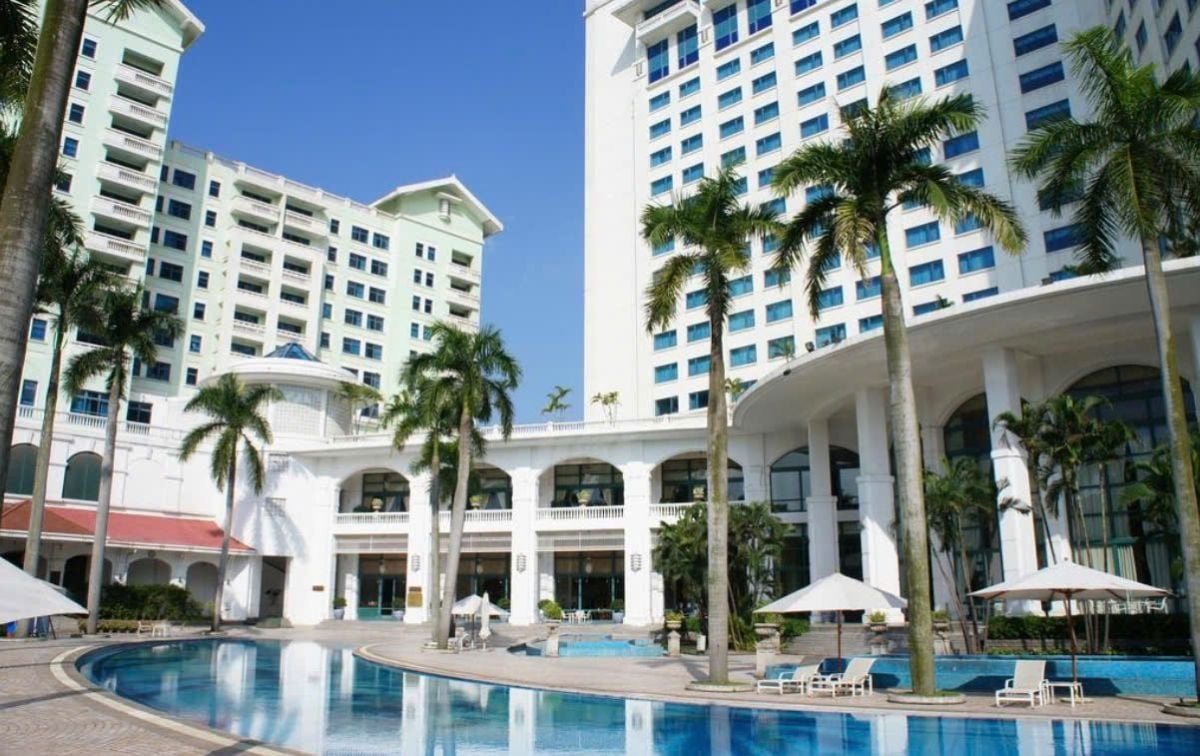
JLL pointed to two recent transactions involving PARKROYAL Saigon and Hotel Perle D’Orient Cat Ba. With a combined value of USD 53.7 million, the deals reflect renewed investor interest and a willingness to make medium- and long-term decisions in Vietnam’s market.
Domestic investors are playing a prominent role, including multisector groups, hotel management firms, and real estate developers with solid financial foundations. These investors are seeking opportunities not only to acquire assets but also to upgrade, restructure, and optimize operating performance over time.
JLL said this group is increasingly contributing to growth and is prepared to accept longer investment cycles to increase asset value.
Foreign investors continue to participate, but with a cautious and selective approach. JLL noted that due diligence indicates international capital is targeting assets that align with international standards, are in strategic locations, have proven operating performance, and offer room for value improvement through product upgrades or adjustments to management models.
Rather than pursuing rapid expansion, foreign investors prioritize a sustainable presence and apply higher investment discipline in risk pricing and exit planning.
JLL said collaboration between domestic investors’ market knowledge and international investors’ global management experience is contributing to more flexible and efficient deal structures, balancing growth capital, operating capacity, and governance standards.
“Through the deals we advised on, investors are paying more attention to cash-flow quality and post-acquisition value creation. Transactions today are not simply asset purchases but are tied to repositioning and operational upgrade strategies in the context of Vietnam's tourism market entering a more mature development phase,” said Karan Khanijou, Senior Vice President, Hotels & Resorts at JLL.
He added: “From a transaction execution standpoint, the biggest bottleneck is not demand but finding assets that meet institutional-investor criteria. Yet with a more transparent legal framework and a resilient tourism base, we believe Vietnam's hotel market will continue to attract high-quality capital.”
Vietnam’s tourism performance also provides context for the investment outlook. According to the Vietnam National Administration of Tourism, international arrivals to Vietnam in March 2026 reached nearly 2.1 million. This lifted total international arrivals for the first quarter of 2026 to 6.76 million, up 12.4% year-on-year.
Domestic tourism in March 2026 was about 10.5 million visits, including 7.0 million staying visitors. Overall, domestic tourism in the first three months of 2026 reached 37.0 million visits.
Jesper Palmqvist, Asia-Pacific Vice President at STR CoStar, said Vietnam’s hotel market continues to show positive recovery, with improved business performance across many segments.
He added that Vietnam is expected to maintain steady growth momentum in the region, with destinations such as Phu Quoc and Da Nang gradually strengthening their positions due to ongoing infrastructure development, amenities, and tourism activity.
Premium gym chains are entering a “golden era” that is ending or already in decline, as rising operating costs collide with shifting consumer preferences toward more flexible, community-based ways to exercise. Long-term memberships are shrinking, margins are pressured by higher rents and facility expenses, and competition from smaller, more personalized…