•
•
•
•
•
•
•
•
•
•
•
•
•
•
•
•
•
•
•
•
•
•
•
•
•
•
•
•
•
•
•
•
•


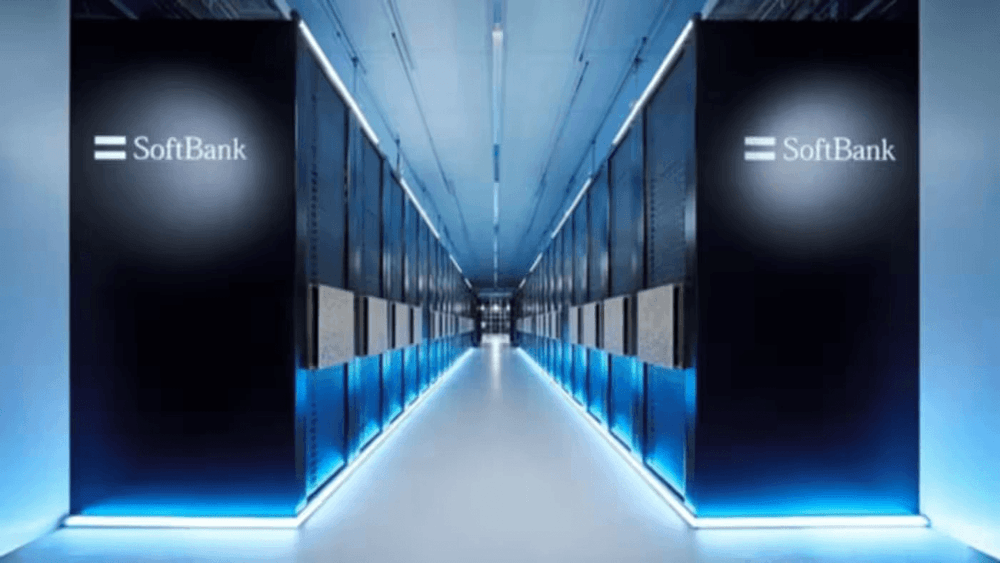
In a bid to develop domestic AI, SoftBank has joined forces with manufacturing giants such as Honda Motor to integrate real factory data into training. This collaboration is a strategic move to optimize Physical AI for production lines and industrial robots. The effort aims to close the gap with American and Chinese rivals that dominate AI commercialization. Physical AI can autonomously control robots and machines. SoftBank has established an AI development company in Tokyo with eight partners. SoftBank, Honda Motor, Sony Group, and NEC are core investors, each holding more than 10% stake. Smaller investments come from three of Japan's leading banks, including MUFG, together with Nippon Steel and Kobe Steel. SoftBank will also cooperate with AI-focused investors such as NEC, and Tokyo's leading AI startup Preferred Networks. The plan is for the alliance to assemble about 100 engineers to build large-scale AI models by the end of the decade, aiming for broad commercialization by fiscal year 2030. The company aims to make this model one of the strongest in Japan, with around 1 trillion parameters, a metric for AI performance. Meanwhile, SoftBank's affiliate with Rakuten Group is also developing AI models, their models currently limited to around 700 billion parameters. This new company is unique in that it includes both AI developers (SoftBank and NEC) and end-user manufacturers like Honda. The company will develop AI while focusing on integration with machinery and industrial robots, using input data from manufacturing sites. A pretrained AI model will be released to members to accelerate development of models tailored for specific industries or individual users. To seek additional resources, the new company will file with Japan's New Energy and Industrial Technology Development Organization (NEDO) this month. The contractor selection results are expected to be announced as early as June. If favorable, the project will transition to a public-private partnership model, potentially offering these AI models free to the community. SoftBank's domestic AI push stems from concerns about the dominance of American and Chinese tech giants. Currently, OpenAI, Google, and Alibaba are leading the race to commercialize large language models, and in Japan, domestic companies are increasingly reliant on foreign products such as Alibaba's Qwen.




Premium gym chains are entering a “golden era” that is ending or already in decline, as rising operating costs collide with shifting consumer preferences toward more flexible, community-based ways to exercise. Long-term memberships are shrinking, margins are pressured by higher rents and facility expenses, and competition from smaller, more personalized…