•
•
•
•
•
•
•
•
•
•
•
•
•
•
•
•
•
•
•
•
•
•
•
•
•
•
•
•
•
•
•
•
•


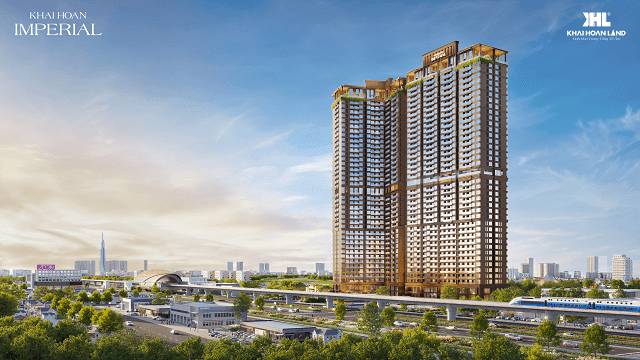
Amid Bình Dương’s development as a high-tech urban hub, Khai Hoan Imperial positions itself as a bespoke-style luxury apartment project in Northeast Ho Chi Minh City, aiming to serve a growing community of high-skilled residents with personalized living spaces and connectivity to key amenities.
According to DKRA Consulting, in Q1 2026 Ho Chi Minh City recorded 6,500 newly launched products, with Bình Dương accounting for 71%. The product mix has also shifted: around 60% of new supply is in the upper-end and luxury segment—an unprecedented development for Bình Dương, which has traditionally been associated with affordable-to-mid-range apartments.
Following recent market restructuring, apartment price levels in Bình Dương have moved higher. Observations from projects in Thuận An and Dĩ An show prices reaching 40–70 million VND per square meter, up roughly 20–30% compared with a few years earlier.
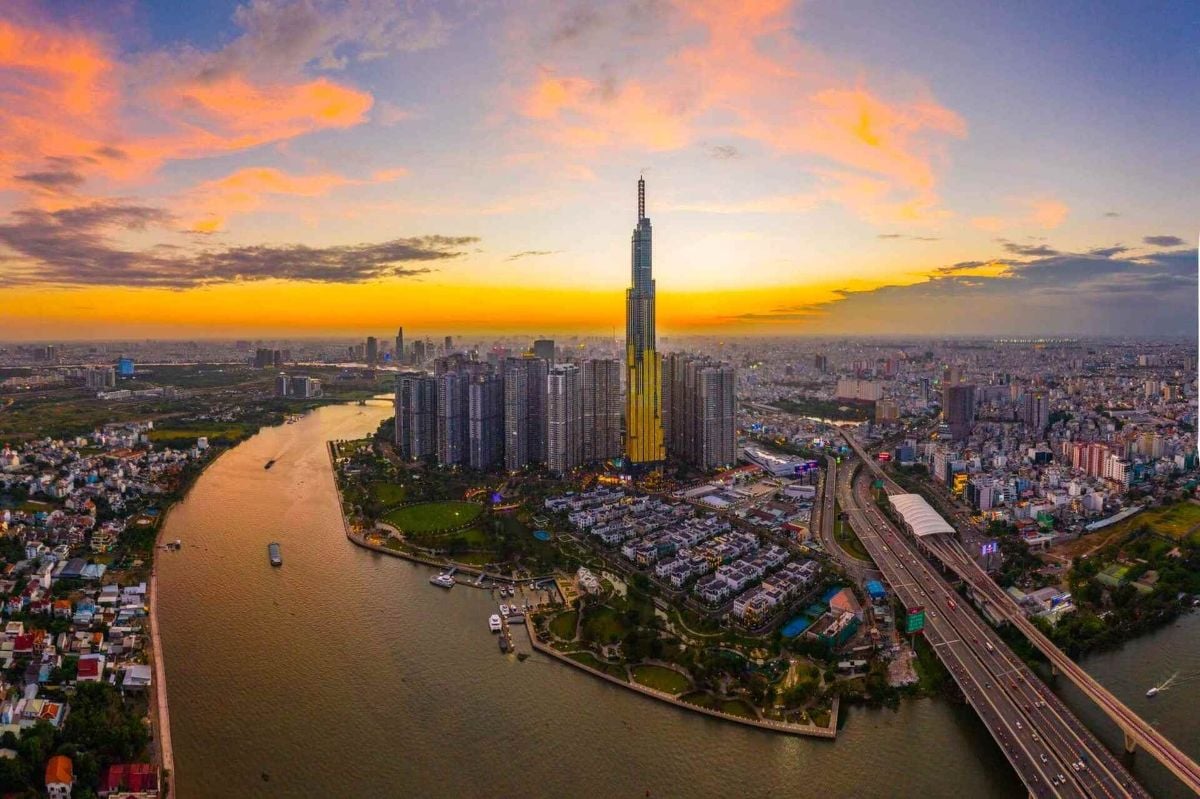
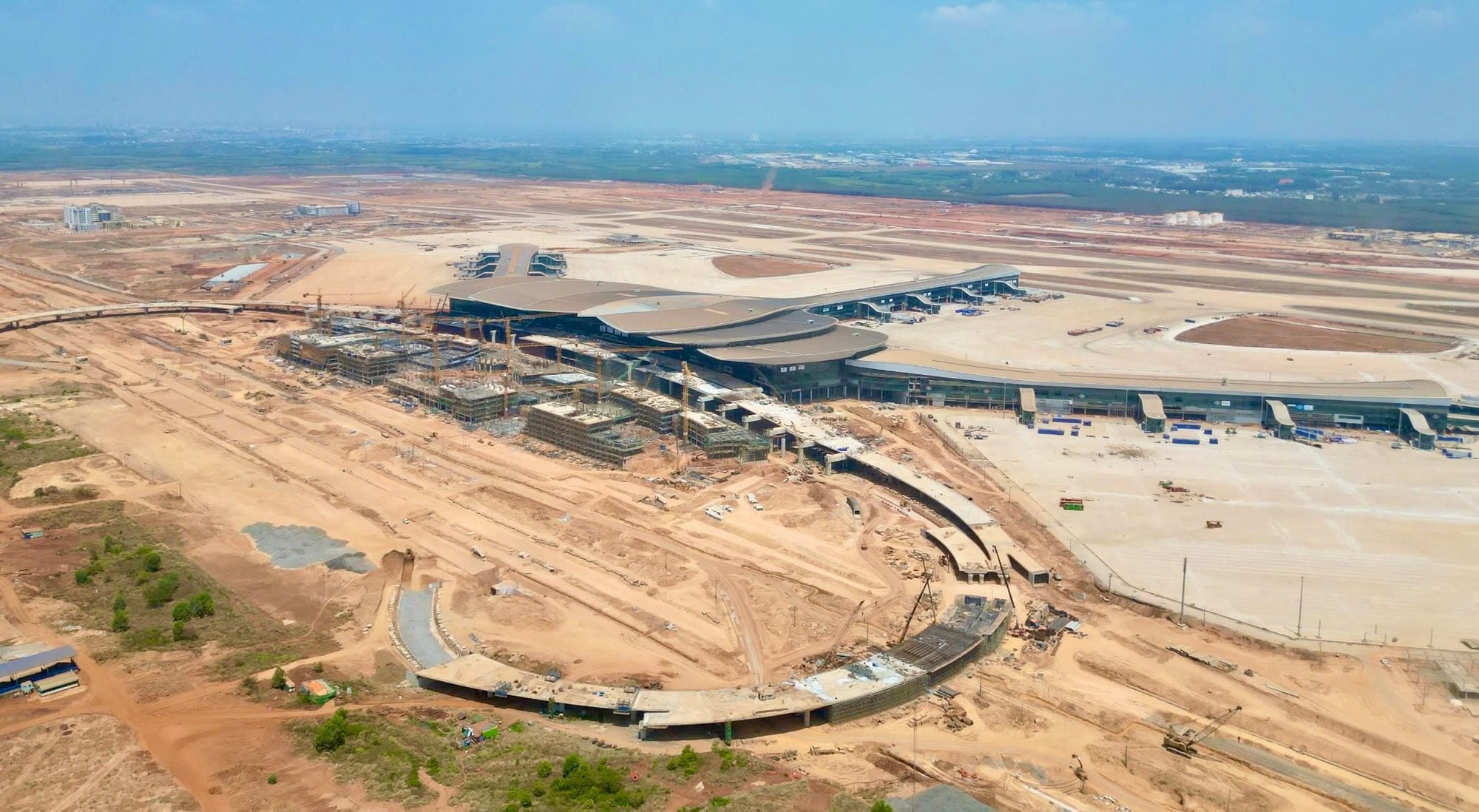
Experts attribute Bình Dương’s apartment market growth to factors including abundant land, development headroom, rising FDI, and strong demand. Infrastructure connectivity is also improving through key links such as National Highway 13, Ring Road 3, Ring Road 4, the Thủ Dầu Một–Ho Chi Minh City metro, and Long Thành International Airport—supporting shorter travel times and stronger area real estate values.
Despite ample supply, the market still lacks products aligned with the preferences of certain buyer segments. As Bình Dương develops into a high-tech city and a new growth engine for Ho Chi Minh City, it attracts high-quality talent from both within Vietnam and abroad.
Statistics cited in the article indicate the region hosts more than 45,000 professionals, senior managers, and intellectual workers earning between 2,000 and 4,500 USD per month. This group is described as seeking not only a place to live, but also living spaces that can be personalized, with convenient connectivity, complete amenities, and practical day-to-day usability.
Khai Hoan Imperial is located on the frontage of National Highway 13, opposite AEON Mall Bình Dương Canary, and adjacent to the Thủ Dầu Một metro station. The project is presented as benefiting directly from TOD (transit-oriented development), improving access to central Ho Chi Minh City and leveraging growth potential from Ring Road 3 and the Ho Chi Minh City–Thủ Dầu Một–Chơn Thành corridor.
The article highlights a “made-to-measure” approach to amenities tailored to professionals, researchers, and senior executives, with an emphasis on optimizing commuting time and supporting a modern, comfortable, and active lifestyle.
On the ground floor, facilities are described as including connected spaces such as Knowledge Square, a Mediterranean-inspired swimming pool, and an outdoor multi-sport area suitable for multi-generational families.
On the 21st floor, the project is described as a “vertical resort,” featuring an infinity pool inspired by Roman design, along with a gym, spa and sauna, a Virtual Golf center, a library, and a multimedia creative room. Additional spaces on the same level include a ceremonial center, a knowledge playground, and a cinema, forming an all-in-one amenity ecosystem.
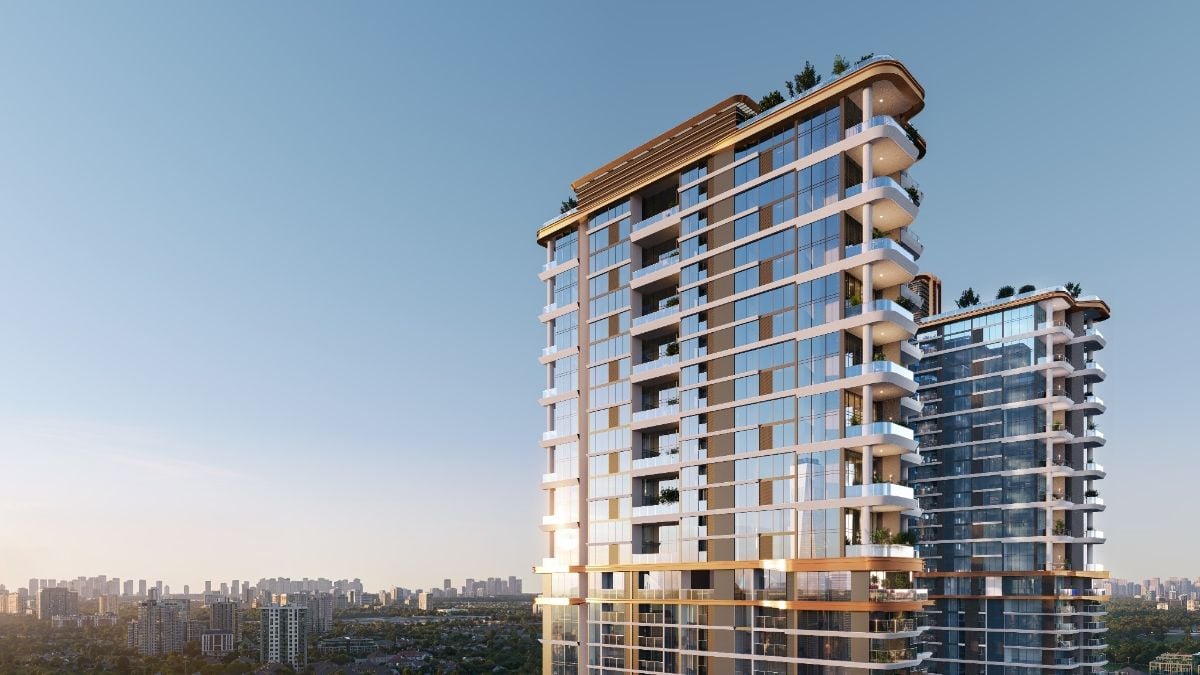
Khai Hoan Imperial plans a 41-floor development with three basements. The project is presented as offering Bespoke 1–3 bedroom apartments, duplex units, and a limited penthouse collection with private pools.
The project is developed by Khai Hoan Land Group, with design by Dewan (over 40 years of experience), main construction by Phuoc Thanh (over 20 years of experience), and interiors delivered by brands including Duravit, Häfele, Panasonic, and Grohe.
The article states that Khai Hoan Imperial was honored in the “Best Living Design” category at the 2025 Dot Property Southeast Asia Awards. It is expected to become a new living symbol and help steer the luxury segment in Northeast Ho Chi Minh City.
Premium gym chains are entering a “golden era” that is ending or already in decline, as rising operating costs collide with shifting consumer preferences toward more flexible, community-based ways to exercise. Long-term memberships are shrinking, margins are pressured by higher rents and facility expenses, and competition from smaller, more personalized…