•
•
•
•
•
•
•
•
•
•
•
•
•
•
•
•
•
•
•
•
•
•
•
•
•
•
•
•
•
•
•
•
•



Vietnam’s real estate market in 2026 is entering a stronger recovery phase, supported by public investment, regulatory reforms and macroeconomic stability. However, the supply of affordable housing remains limited as housing prices continue to rise faster than household incomes.
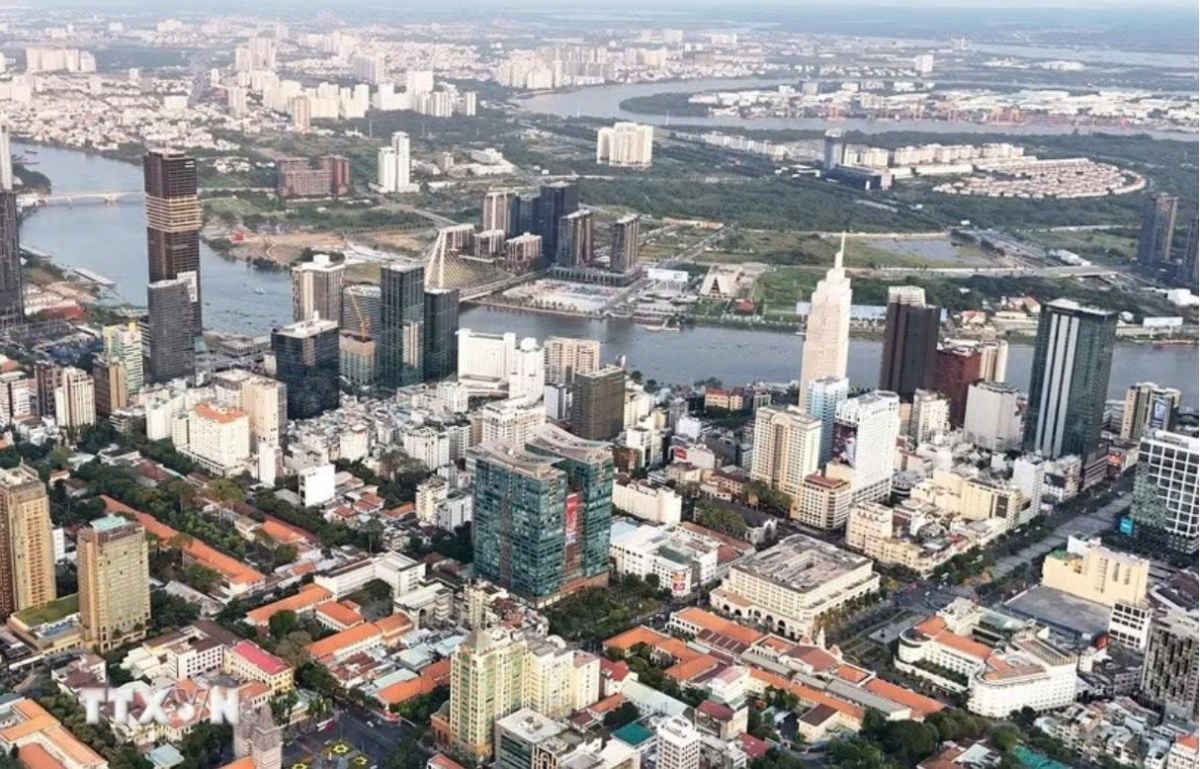
Speaking at the conference “Real Estate Market 2026: Weathering headwinds and welcoming a new cycle” on May 12, 2026 in Ho Chi Minh City, experts said Vietnam’s market is undergoing a deeper restructuring. The shift is moving growth away from speculation toward real demand, improved capital quality and greater market transparency.
Dr. Cấn Văn Lực, Chief Economist at BIDV, said real estate and construction remain key to Vietnam’s economy. In Q1 2026, construction GDP increased by 8.36%, while the real estate business sector grew by 4.71%.
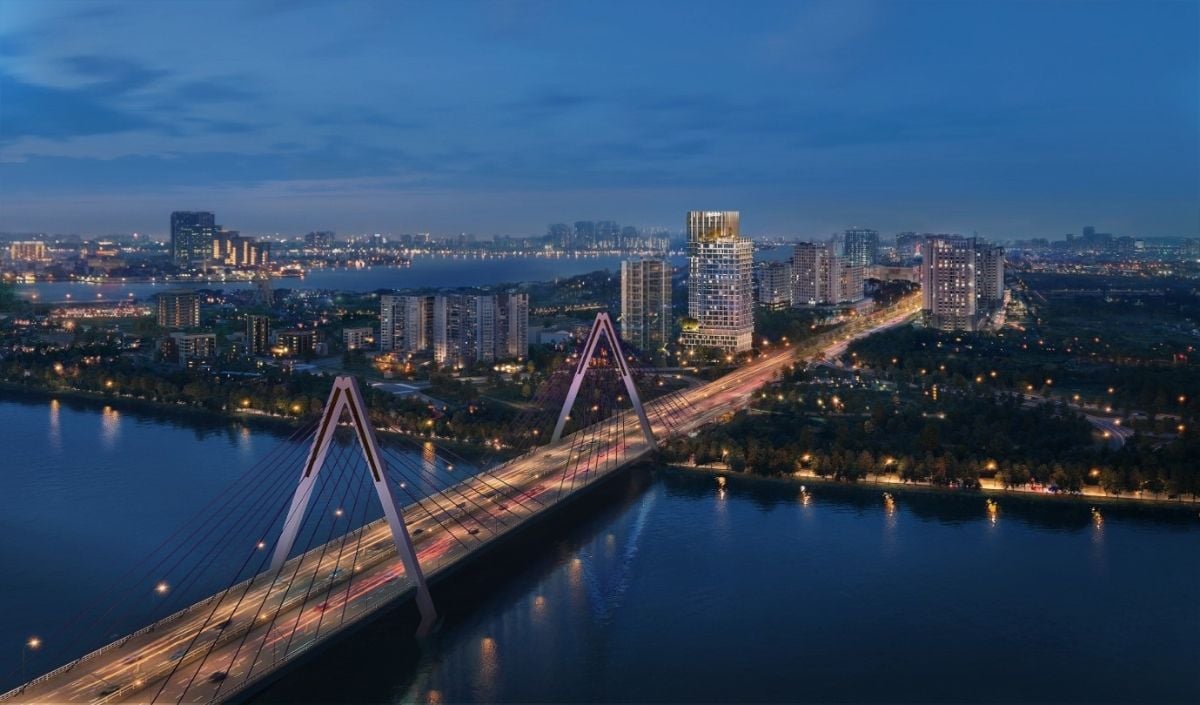
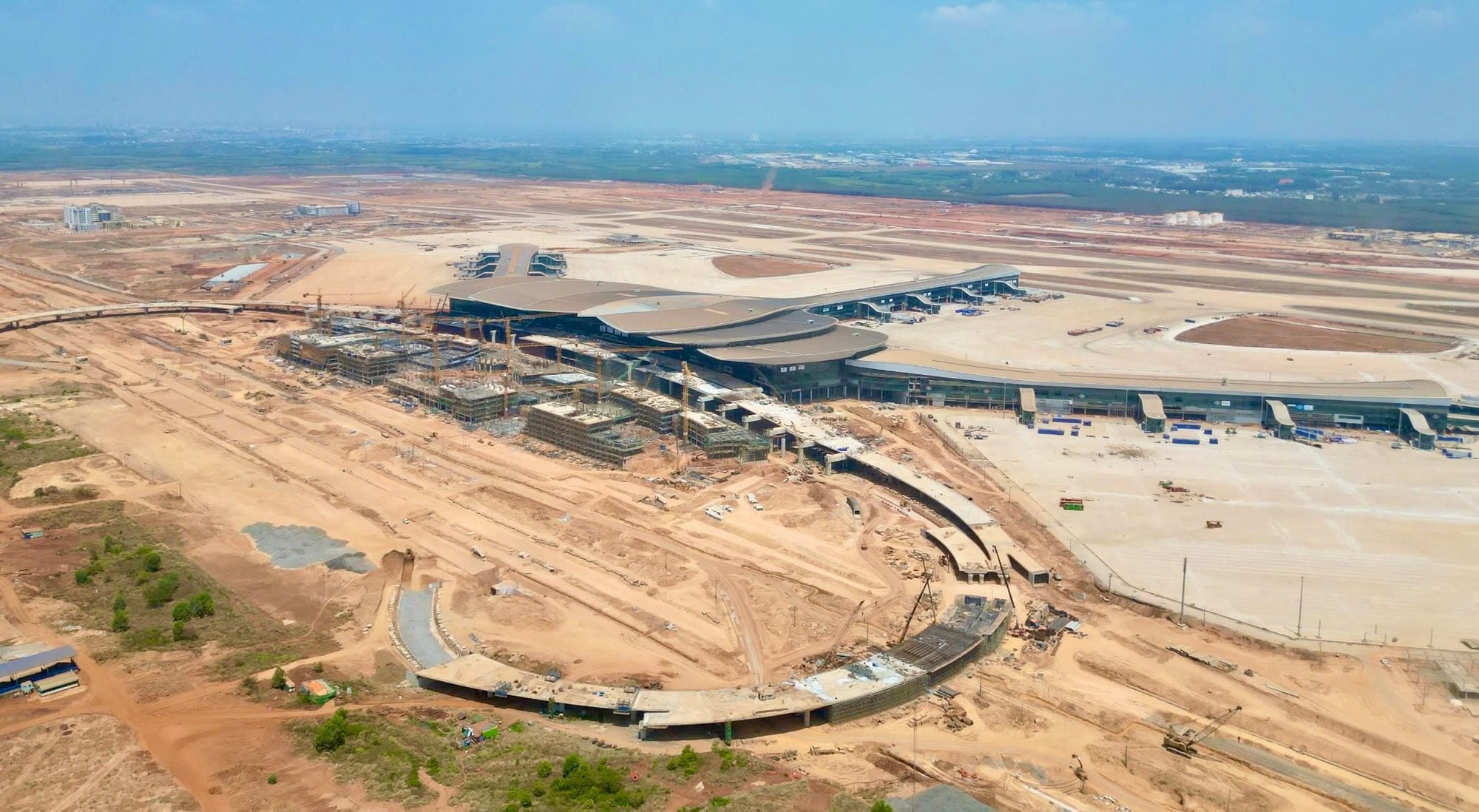
Macroeconomic conditions have continued to stabilize, with inflation, exchange rates, bad debts and interest rates kept under control. Public investment is also acting as a catalyst. For 2026, disbursement is planned to exceed 1 quadrillion dong, up nearly 18% year-on-year, with a focus on transport and urban development.
A key development is the continued removal of legal obstacles affecting stalled projects. Dr. Cấn Văn Lực noted that the National Assembly and the Government have issued multiple resolutions to handle projects that have been stuck and to unlock resources nationwide, including:
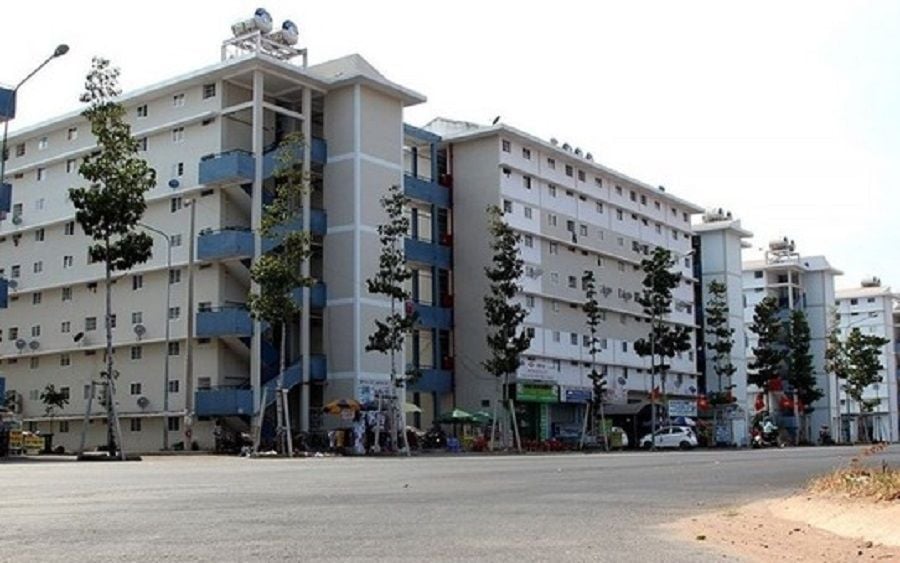
Policies supporting social housing are also being implemented. The monthly eligible income to access social housing was raised to 25 million dong per person, while social housing loan interest at the Social Policy Bank was reduced to about 5.4% per year. In addition, the establishment of a National Housing Fund is expected to provide additional long-term funding for affordable housing.
Despite the recovery, affordability is still the biggest challenge. Dr. Cấn Văn Lực said the price-to-income ratio for apartments rose from 23.5 in 2023 to 30.2 in 2026, among the highest in the region.
From 2019–2024, housing prices increased sharply, and they were expected to rise another 10–30% in 2025, outpacing income growth.
The supply-demand gap persists, with the high-end segment taking a large share while affordable and social housing remain insufficient. Ms. Cao Thị Thanh Hương, Deputy Director of Savills Research and Consulting, said that from 2012–2018, Class C accounted for more than 80% of total transactions, but the share declined rapidly after 2021.
In Ho Chi Minh City, Class C currently accounts for about 29% of primary supply. In Hanoi, there were no new Class C projects launched in Q1 2026, and the market is led by Class A and B products.
Savills Vietnam data show that Hanoi and Ho Chi Minh City each need about 50,000 units per year to meet real housing demand. However, supply has been constrained for many years and has not kept pace with population growth.
Ngô Quang Phúc, CEO of Phú Đông Real Estate, said affordable housing demand remains large but supply is severely constrained by bottlenecks. He noted that affordable flats were previously priced at 1–3 billion VND, but the current range has moved to 2–5 billion VND per unit.
He added that this segment is widely pursued due to strong demand and is often almost sold out at launch. However, supply is limited by land procurement and legal hurdles. He said legal procedures can take 3–5 years, while margins are low, pushing developers toward peripheral areas because central locations have little room for affordable projects.
Hoàng Thu Hằng, Deputy Director of the Department of Housing and Real Estate Market Management, said that in Q1 2026 the market had more than 40,000 units eligible for sale, but social and affordable housing accounted for only about 7,000 units, failing to meet urban housing demand.
Experts said the problem is not only related to land prices and input costs, but also to speculation and limited market transparency. To address this, the Ministry of Construction is implementing a National Database on housing and real estate market, planned to operate from July 1, 2026.
The system is intended to disclose project legal information, planning, land allocation, licensing and price transactions. Authorities expect this to improve transparency, reduce speculation and help prevent unreasonable price increases.
Financing remains a challenge as banks are conservative about lending to projects with incomplete legal status. More than 4,500 projects still face legal bottlenecks. Over 1,000 projects have been resolved, freeing about 800,000 billion dong for the market.
When legal issues are cleared, firms can access capital more easily, supporting more stable and transparent market operations.

Premium gym chains are entering a “golden era” that is ending or already in decline, as rising operating costs collide with shifting consumer preferences toward more flexible, community-based ways to exercise. Long-term memberships are shrinking, margins are pressured by higher rents and facility expenses, and competition from smaller, more personalized…