•
•
•
•
•
•
•
•
•
•
•
•
•
•
•
•
•
•
•
•
•
•
•
•
•
•
•
•
•
•
•
•
•


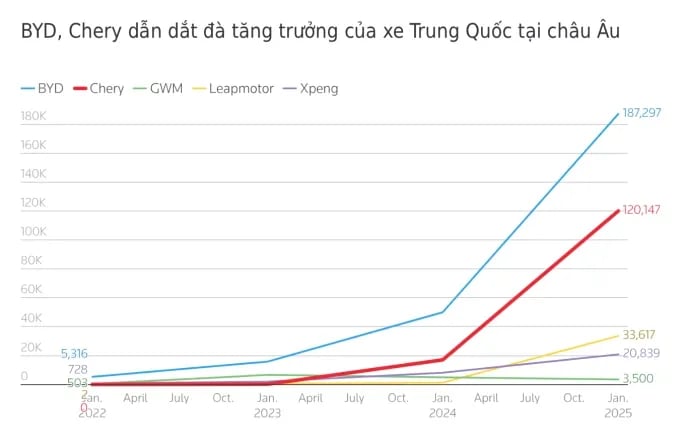
On April 27, Reuters reported that Kia Motors CEO Song Ho-sung said the strategy to narrow the price gap with Chinese rivals in Europe would be 15-20% this year, down from 20-25%. The move has helped Kia, along with its parent Hyundai, rank third in global vehicle sales, ahead of a broader market downturn.
The comments point to an intensifying “price battle” as Chinese automakers step up exports. With the domestic market stagnating and the US market remaining difficult to enter due to tariffs, Europe has become a crucial arena for China’s auto manufacturers.
In March, BYD’s registrations in Europe rose nearly 150%, outpacing Kia and Hyundai, which recorded 6% growth.
The rapid increase in Chinese-made cars across Europe has pressured industry players such as Kia to cut prices and offer cheaper models in some European countries.
Last weekend, Kia reported first-quarter profit of 1,830 billion won (about $1.2 billion), down 23.5% year-on-year. Reuters said much of the profit decline was linked to the proliferation of promotional programs by the group.
Song said Kia can use its solid profit base to compete with rivals. He also predicted that restructuring in China’s auto industry will happen sooner than expected as Beijing shifts its focus from electric vehicles to artificial intelligence (AI) and robotics.





Premium gym chains are entering a “golden era” that is ending or already in decline, as rising operating costs collide with shifting consumer preferences toward more flexible, community-based ways to exercise. Long-term memberships are shrinking, margins are pressured by higher rents and facility expenses, and competition from smaller, more personalized…




