•
•
•
•
•
•
•
•
•
•
•
•
•
•
•
•
•
•
•
•
•
•
•
•
•
•
•
•
•
•
•
•
•


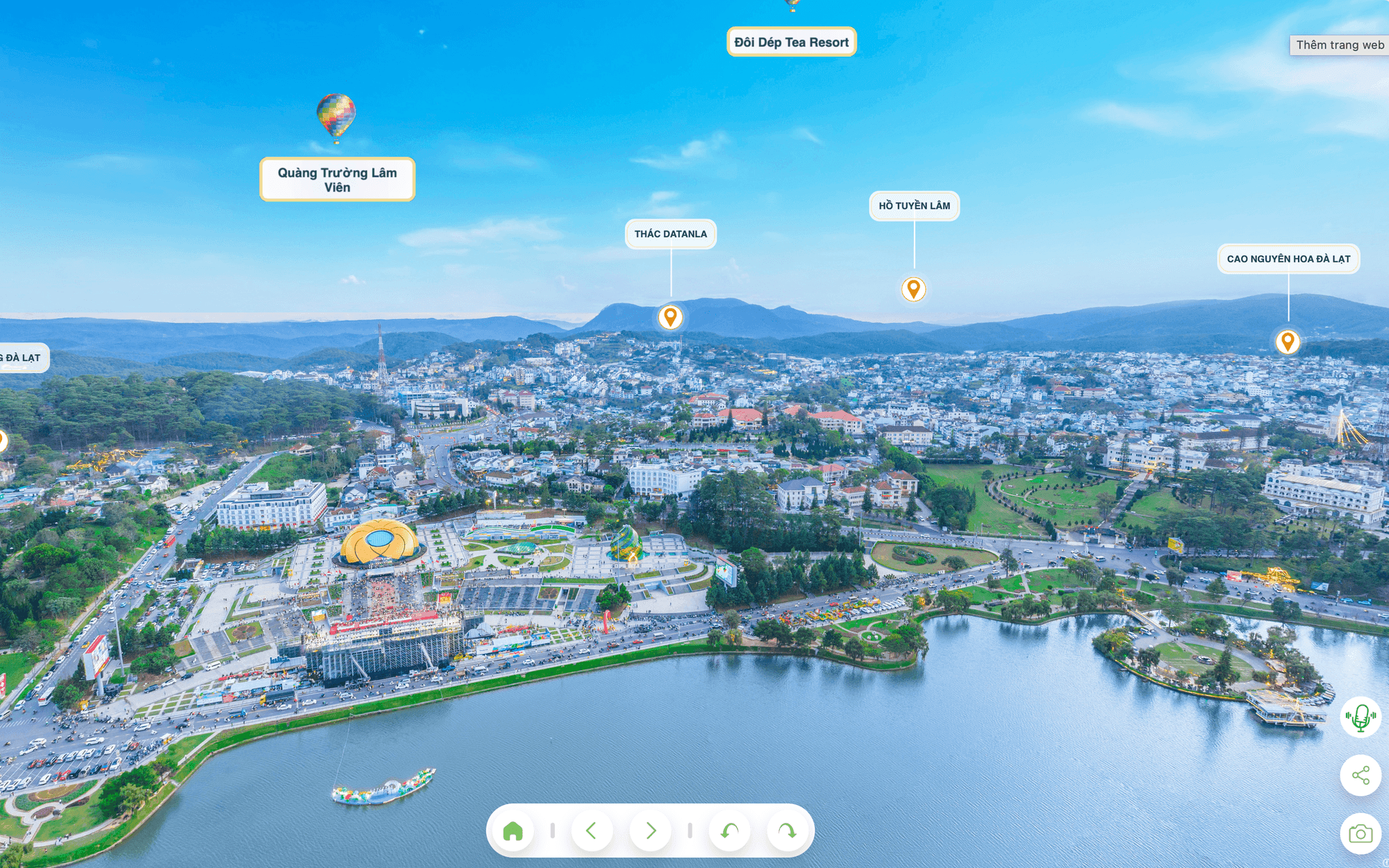
Lam Dong is shifting its tourism development strategy away from a single-destination model centered on Da Lat. Instead, the province is redefining tourism toward a multi-center ecosystem that spans the plateau, highlands, and coastline, reflecting an expansion of its territorial development space.
Under the new approach, Lam Dong aims to build experience corridors linking Da Lat with Ta Đùng, Phan Thiết, Mui Ne, and Phu Quy. Rather than developing destinations in isolation, the plan focuses on an interconnected tourism ecosystem that offers multiple layers of experiences within a single itinerary.
For example, visitors could stay in Da Lat, explore Ta Đùng Lake, and then continue to Mui Ne or Phu Quy. The province views this as a new competitive advantage for local tourism in the next development phase.
Lam Dong’s development goals include 25.08 million visitors and tourism revenue of 71,500 billion dong in 2026. The targets signal that tourism will remain a key economic sector for the region after consolidation.
To achieve these goals, Lam Dong’s tourism development is not expected to rely on a single destination. It will instead focus on forming a regional, interconnected tourism ecosystem centered on experience.
According to Nguyen Thi Thu Hien, Vice Chairwoman of the Lam Dong Provincial Business Association, the province should build diversified, culturally rich product chains based on natural resources to strengthen destination competitiveness.
Alongside product restructuring, regional connectivity infrastructure is identified as a main driver of the strategy. Implementing the Mui Ne National Tourism Area Plan and projects including National Route 28B, Route 55, and the Phan Thiet airport are expected to improve connectivity between the plateau, coast, and the Central Highlands.
Lam Dong also lists several new growth levers, including green tourism, resort tourism, community tourism, high-tech agriculture, health tourism, adventure tourism, and the night economy. The targets indicate a move beyond an image focused only on mountain resorts toward a multi-regional tourism space linking mountains, forests, and seas.
The combination of highland climate, forest ecosystems, and coastal resources is expected to support longer-duration experience chains. This, in turn, is intended to help retain visitors longer, expand markets, and create new growth potential for the tourism sector in the new phase.
Source: VTV
Premium gym chains are entering a “golden era” that is ending or already in decline, as rising operating costs collide with shifting consumer preferences toward more flexible, community-based ways to exercise. Long-term memberships are shrinking, margins are pressured by higher rents and facility expenses, and competition from smaller, more personalized…