•
•
•
•
•
•
•
•
•
•
•
•
•
•
•
•
•
•
•
•
•
•
•
•
•
•
•
•
•
•
•
•
•


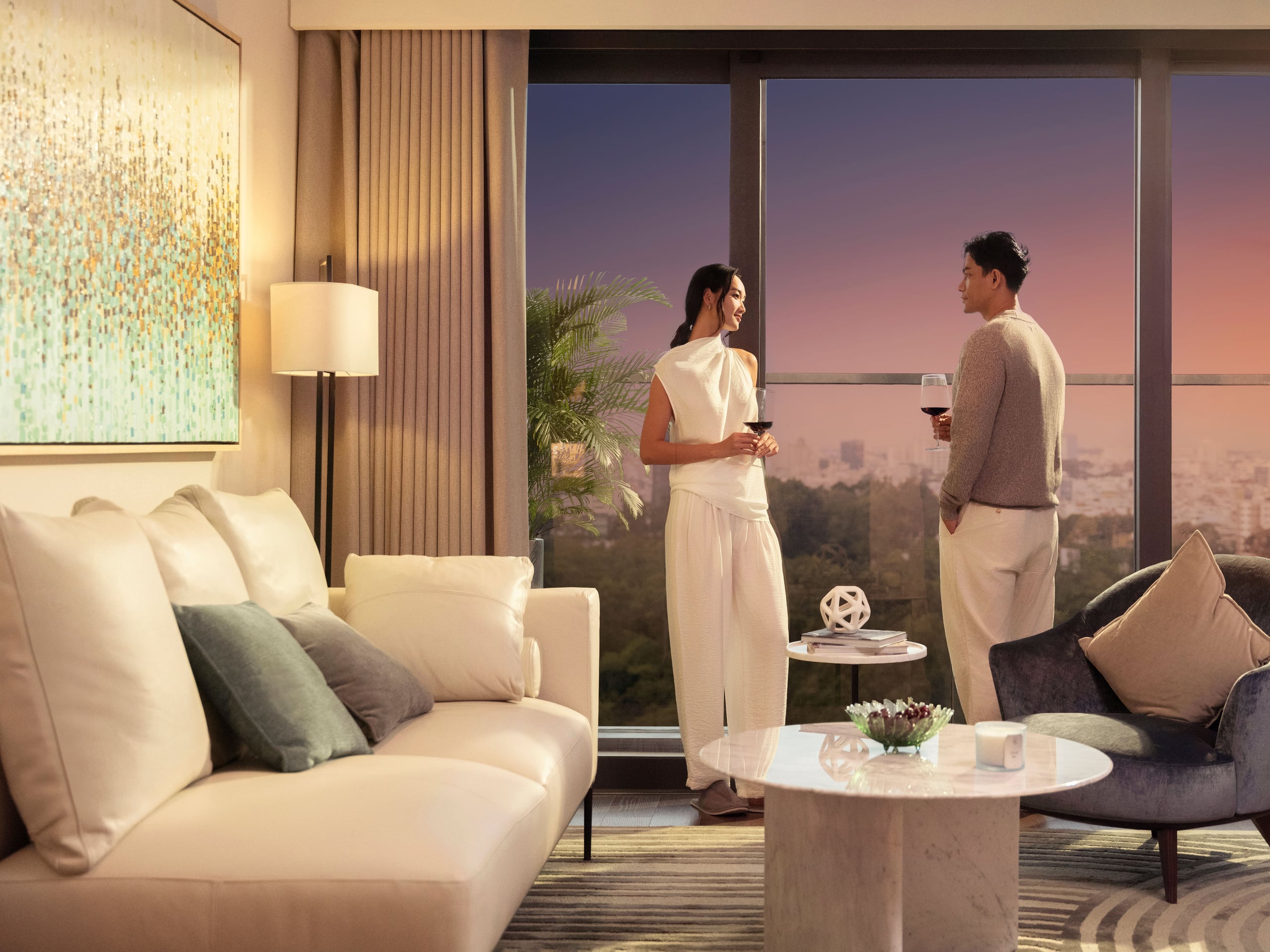
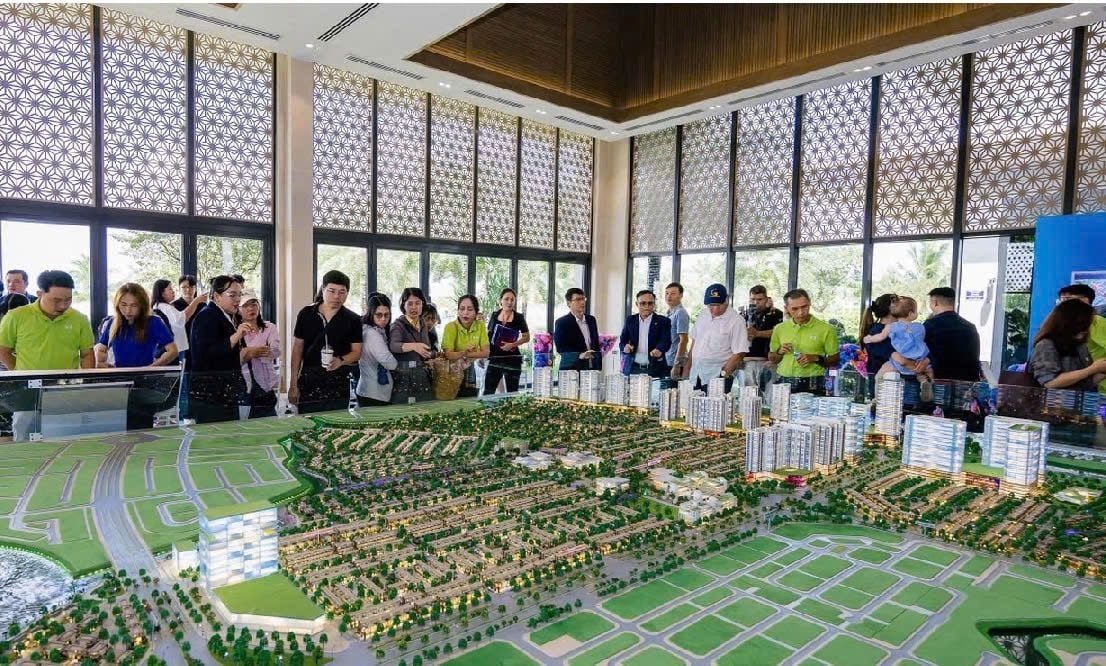
Vietnam’s luxury real estate market is entering a phase of robust growth, driven by the rapid rise of high net worth and ultra-wealthy buyers. In this environment, International Business Times (IBT) says the market is not only expanding in scale, but also moving toward higher, more standardized expectations for quality, experience, and asset value—where branded luxury real estate is increasingly defined by clear benchmarks rather than just higher prices.
IBT characterizes Vietnam’s luxury segment as shifting from a market defined by a limited number of projects to one reflecting a broader upward trend across the sector. As more wealthy and globally oriented buyers enter the market, expectations for property are rising accordingly.
In IBT’s view, a luxury product today is expected to do more than provide living space. It is also positioned as an asset that supports status, helps preserve value, and aligns with a buyer’s lifestyle.
At the same time, IBT highlights a key change: the market is raising standards in value rather than simply increasing expensive price tags. High-end clients are said to be less influenced by location or price alone, and more focused on whether a project meets criteria that can serve as an international-quality benchmark.
This creates a growing need for a reference framework of value. As buyers become more selective, distinguishing between projects that offer only exterior “luxury” and those that meet international standards requires clear, verifiable criteria—an area where IBT notes pioneering players can shape the market’s benchmarks.
IBT does not describe Masterise Homes solely as a developer. Instead, it frames the company as laying foundations for Vietnam’s branded luxury real estate segment and acting as a standard-bearer across different tiers of the market.
A central point in the coverage is delivery and occupancy. IBT notes that Masterise Homes is the only unit cited as having delivered completed products with actual residents, while many other projects remain under development. This difference is presented as strengthening the credibility of the luxury label and the trust behind it.
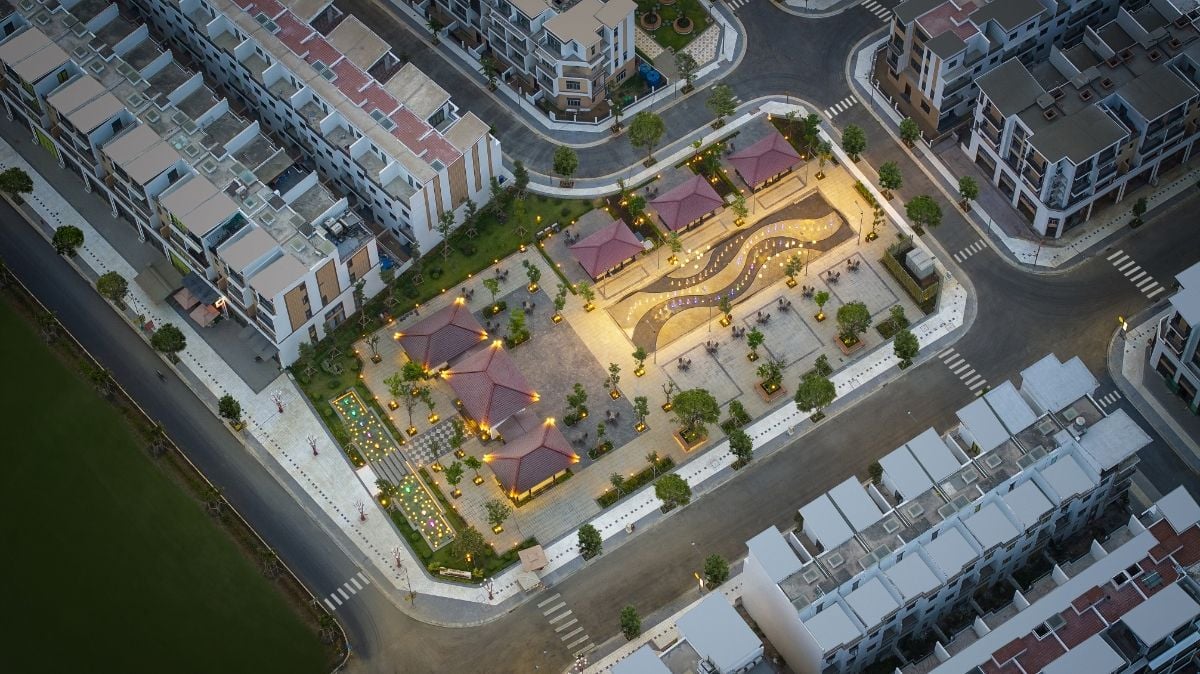
The article points to The Rivus, a Masterise Homes luxury project, as having entered operation. IBT’s emphasis is that having delivered a product and enabling real residents to live in it provides real-world proof of quality.
Beyond individual projects, IBT describes a broader portfolio approach. The company is said to combine collaborations with international brands—intended to translate global standards into on-the-ground execution—with self-developed lines that carry high-end real estate values and apply them consistently across different client groups.
IBT characterizes this as more than building upscale residences. It says Masterise Homes is actively shaping how the market defines and values high-end real estate, including concepts such as luxury, suitability, and sustainable value.
With IBT highlighting Masterise Homes as a standard-setter on the global map, the domestic market gains a clearer lens on the companies that are elevating Vietnam’s real estate profile internationally.
IBT concludes that by continuously elevating buyer expectations, shaping a new value language, and delivering completed projects with real occupancy, Masterise Homes positions itself as a leader in setting the standard for branded luxury real estate in Vietnam.

Premium gym chains are entering a “golden era” that is ending or already in decline, as rising operating costs collide with shifting consumer preferences toward more flexible, community-based ways to exercise. Long-term memberships are shrinking, margins are pressured by higher rents and facility expenses, and competition from smaller, more personalized…