•
•
•
•
•
•
•
•
•
•
•
•
•
•
•
•
•
•
•
•
•
•
•
•
•
•
•
•
•
•
•
•
•


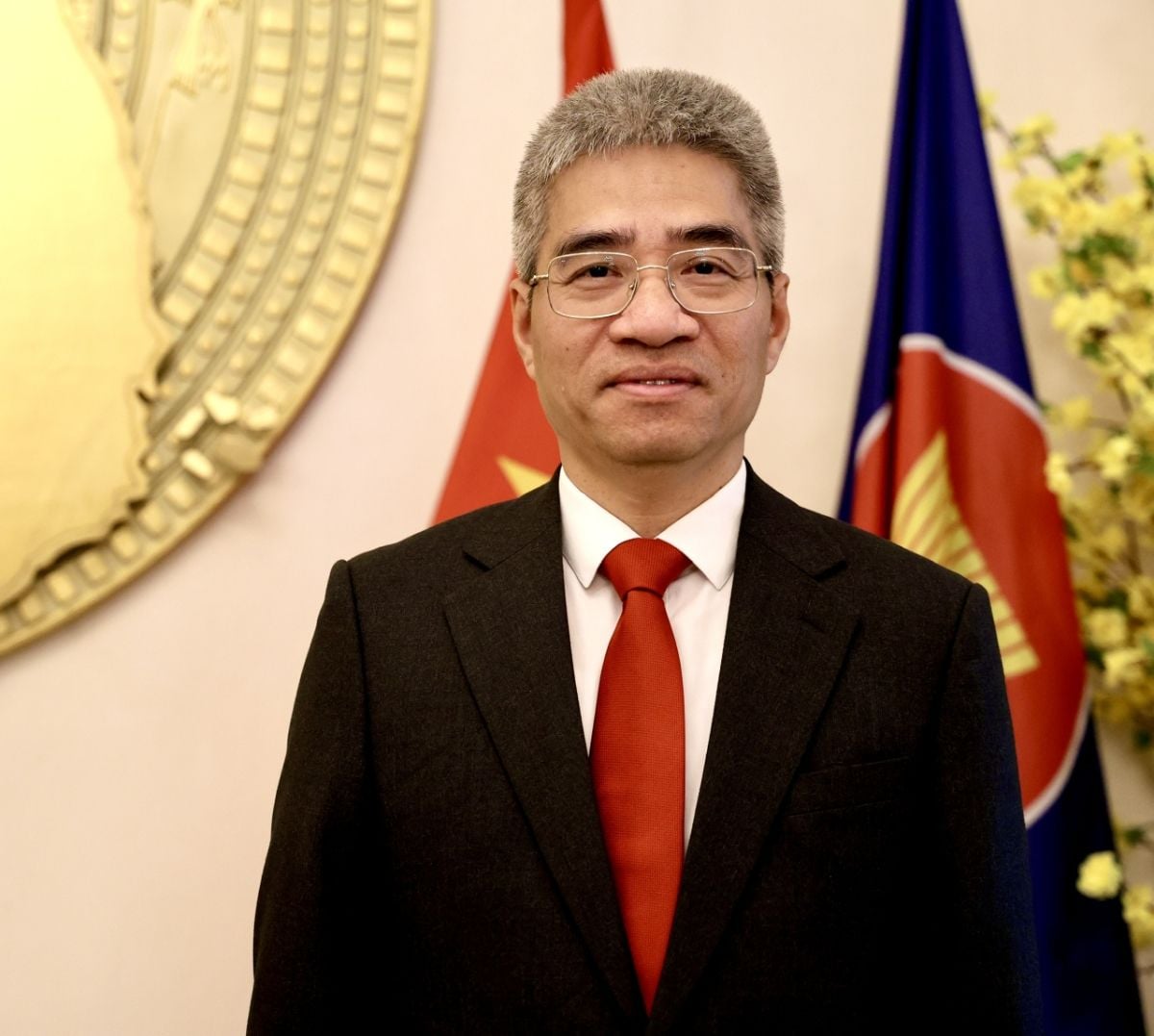
Vietnam is positioning itself as a reliable, sustainable partner for Germany as global supply chains restructure under the “friend-shoring” trend. In an interview, Vietnam’s ambassador to Germany, Nguyen Dac Thanh, outlined the “mindset revolution” he says will help Vietnamese agro-products, technology, and culture resonate with German consumers.
The ambassador said Vietnamese companies seeking to stand firm in Germany—where standards are strict—should focus on three strategic pillars: reliability, sustainability, and long-term adaptability.
He cited a diplomatic and legal foundation built over more than 50 years of Vietnam–Germany relations, noting that 2026 marks the 15th anniversary of the Vietnam–Germany Strategic Partnership. He also pointed to the EVFTA, which he said provides a “transparent legal highway” supporting long-term investment.
On the economic side, he described Vietnam’s shift from being seen as a low-cost subcontracting destination toward participating in higher value-added segments, including areas such as electronics components and mechanical engineering, while meeting Germany’s environmental and origin-tracing standards.
Politically, he highlighted Vietnam’s stability and green commitments, including its carbon neutrality pledge under COP26, as aligned with the EU’s diversified supply-chain strategy.
Despite the EVFTA’s zero tariffs, the ambassador said many enterprises still face technical barriers, particularly those related to environmental and supply-chain due diligence. He described the main obstacle as “green, technical barriers,” rather than tariffs.
He provided trade figures showing Vietnam–Germany trade rising from almost USD 10 billion in 2020 to USD 13.66 billion in 2025. However, he said the utilization rate of EVFTA tariff preferences is only about 35%, indicating ongoing challenges with origin rules and sustainability criteria.
To close the gap, he argued that firms need to move from “comply to be accepted” to “comply to add value,” treating environmental and labor standards as strategic investments rather than costs. He said proactive greening of production can turn static comparative advantages into dynamic competitiveness, helping Vietnamese goods move higher in global value chains.
Addressing how Vietnamese agricultural products can earn trust in a market known for discipline and loyalty to domestic brands, the ambassador said German consumers are buying “trust and responsibility.” He said the path for Vietnamese goods should mirror the quality and sustainability associated with Made in Germany.
He outlined three approaches:
The ambassador said Vietnam’s Go Global strategy should also leverage the nearly 200,000-strong Vietnamese community in Germany as “messengers of culture and cuisine.” He described diplomatic and cultural engagement as a foundation for economic cooperation, pointing to the presence of Vietnamese cuisine in local life and events such as Tet festivals.
He also said that before Go Global faces constraints and deeper integration, the program “Go Global 2026–2035” should function as a mindset shift. He suggested the community could move toward investing in logistics, warehousing, and distribution networks, including Vietnamese-operated distribution centers to reduce intermediary costs and reach German hypermarkets more directly. He added that each Vietnamese person in Germany can serve as a brand ambassador.
At a higher segment, the ambassador said the embassy is working to connect Vietnamese technology firms with Germany’s Mittelstand, described as the backbone of the German economy and a leader in advanced technology sectors.
He said the embassy is implementing a model of “strategic resource connectivity” through deep-dive forums on areas including semiconductors, renewable energy, and health-tech. The goal, he said, is to form alliances where Vietnam provides young, dynamic human resources while Germany contributes core technology and advanced governance, enabling Vietnamese firms to join Germany’s ecosystem of “Hidden Champions.”
In his closing message, the ambassador said the German market is a “yardstick” for capability and credibility, adding that if Vietnamese firms can win in Germany, they can compete successfully elsewhere.
Germany’s supermarkets are planning to import ST25 rice and other Vietnamese agricultural products.






Premium gym chains are entering a “golden era” that is ending or already in decline, as rising operating costs collide with shifting consumer preferences toward more flexible, community-based ways to exercise. Long-term memberships are shrinking, margins are pressured by higher rents and facility expenses, and competition from smaller, more personalized…




