•
•
•
•
•
•
•
•
•
•
•
•
•
•
•
•
•
•
•
•
•
•
•
•
•
•
•
•
•
•
•
•
•


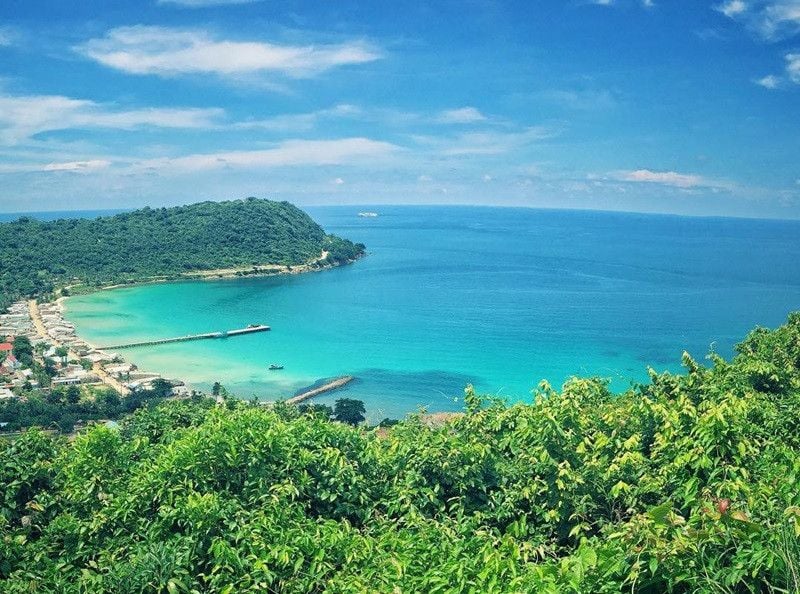
According to the Ministry of Construction, Decision 657/QĐ-BXD dated May 6, 2026 approves adjustments to the national airport system planning for the period 2021–2030, with a vision to 2050. The update adds a new airport to the national plan: Thổ Chu Airport.
Thổ Chu Island is located off the southwest coast, part of the Thổ Châu archipelago in An Giang Province. Unlike major tourist destinations such as Phú Quốc, Nam Du, or Côn Đảo, Thổ Chu is described as not being a mainstream tourism area.
Under the approved plan, Thổ Chu Airport is designed as a 4C facility. The expected design capacity is about 20,000 passengers per year during 2021–2030, rising to about 1 million passengers per year by 2050. The planned land area is about 234.06 hectares, with estimated investment of around 28.8 trillion VND.
After adding Thổ Chu, the national airport system planning identifies 32 airports nationwide, including 15 international airports and 17 domestic airports.
Thổ Chu Airport is planned as a dual-use facility, serving both civilian and defense purposes. The plan indicates that this can improve connectivity, support cargo transport, enable emergency medical services, assist disaster relief, and strengthen security in the southwestern sea area.
Thổ Chu is described as being more than 100 km from Phú Quốc. A high-speed sea route between Phú Quốc and Thổ Chu has operated since January 19, 2026, carrying up to 275 passengers. Services run once daily from Monday to Saturday.
The article notes that schedules may be affected by rough seas and wind. Travelers are advised to check timetables, monitor weather forecasts, carry basic medicines and personal items, and avoid returning too tightly after a flight or important engagement.
For visitors seeking a more solitary experience, options mentioned include trekking across the island, hiring boats to Nhạn, Cao, and Xanh islands, or fishing from floating cages.

Premium gym chains are entering a “golden era” that is ending or already in decline, as rising operating costs collide with shifting consumer preferences toward more flexible, community-based ways to exercise. Long-term memberships are shrinking, margins are pressured by higher rents and facility expenses, and competition from smaller, more personalized…